
Furnace Installation in Connecticut
Homes in Connecticut are older than in 45 of the other 49 states.
Tell us about the job
Takes about a minute. No obligation.
- 23°Fwinter overnight low where people live
- 8 monthsof heat, October through May
- $16.36 per million Btuwhat homes paid for natural gas in 2024 (Btu means British thermal units, a measure of heat)
- 20%of homes lost power a day or more in 2024
Connecticut sees storms and long outages. Ask how your furnace restarts without power.
- Heat needed most in Northwest Hills Planning Region, least in Greater Bridgeport Planning Region
- Winter nights average 23°F where people live
- Heat runs October through May
- Climate zone 5A across the state
- 20% of homes lost power a day or more in 2024

Half the homes in Connecticut were built in 1967 or earlier.
Furnaces here run from October through May, about eight months a year. That's longer than most of the country, but it does not call for a bigger unit. A furnace sized for your home's heat loss handles October and it handles January the same way.
Overnight lows average 22°F through December, January and February. That is cold, but it is not extreme compared with a lot of the country. A standard efficiency furnace, properly sized, is built to run through nights like that without any special equipment.
When to put in a new furnace
Furnace season in Connecticut runs October through May. September is the month before any of that starts, and it's the better time to put in a new furnace. One installed then gets tested and adjusted before it has to do any real work. One installed after the heat is already needed is warming the house while it's being set up, which leaves less room to get the airflow and settings right. If your furnace is old enough to worry about, September is worth more than any of the cold months that follow it.


2 months of cooling, July through August
8 months of heat, October through May
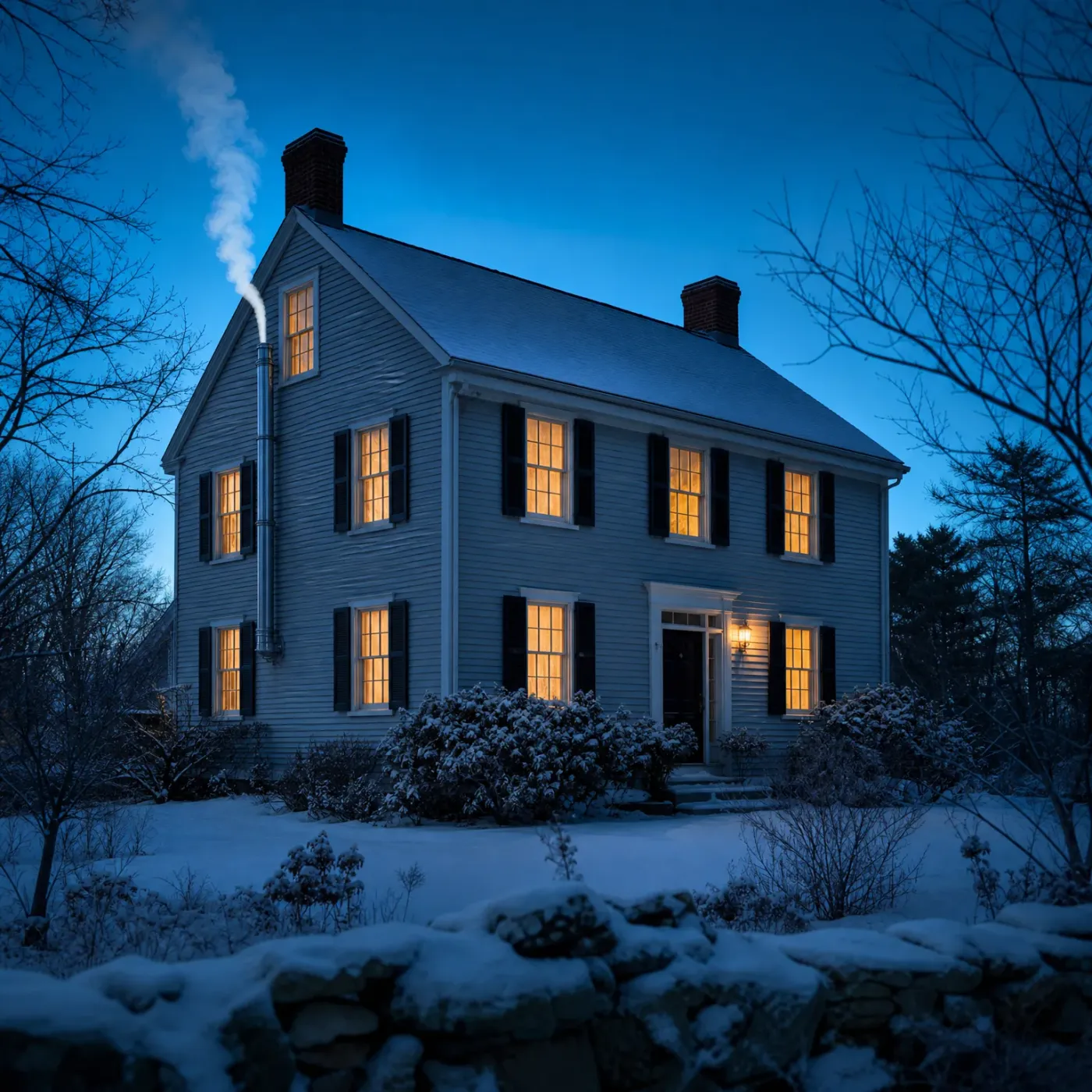
A furnace in Northwest Hills Planning Region has more work to do over a year than one in Greater Bridgeport Planning Region. Homes there need about 28% more heat annually than homes in Greater Bridgeport, which has the lowest heating need in the state.
Winter nights track that gap. Northwest Hills averages a low of 17°F across December, January and February. Greater Bridgeport averages 26°F over those same months. Both furnaces hold the house through the night, but one has a lot more cold to push against.
Statewide, the overnight low across those months averages 22°F. That's the number to plan around if you don't know how your part of Connecticut compares to the rest of it. If your home is in Northwest Hills, or anywhere colder than that average, it's worth asking how your proposed system accounts for it.
None of this changes how a furnace should be sized. A unit matched to your home's heat loss handles a 17°F night the same way it handles a 26°F night, by running longer, not by needing to be bigger. What changes county to county is how many hours a year it spends doing that work.
What does a furnace in Connecticut face?
How cold do winter nights get?
23°Faverage overnight low where people live
North Dakota4°F
Hawaii65°F
How many months does the heat run?
8 monthsof heating a year
Hawaii0 months
Alaska12 months
What does natural gas cost?
$16.36per million Btu, what homes paid in 2024
Montana$7.77
Hawaii$53.25
How often do storms hit?
216severe weather events per county from 2015 to 2024
Alaska5
Wyoming1,057
How many homes lost power for a day or more?
20%of homes in 2024
Arizona7%
Maine54%
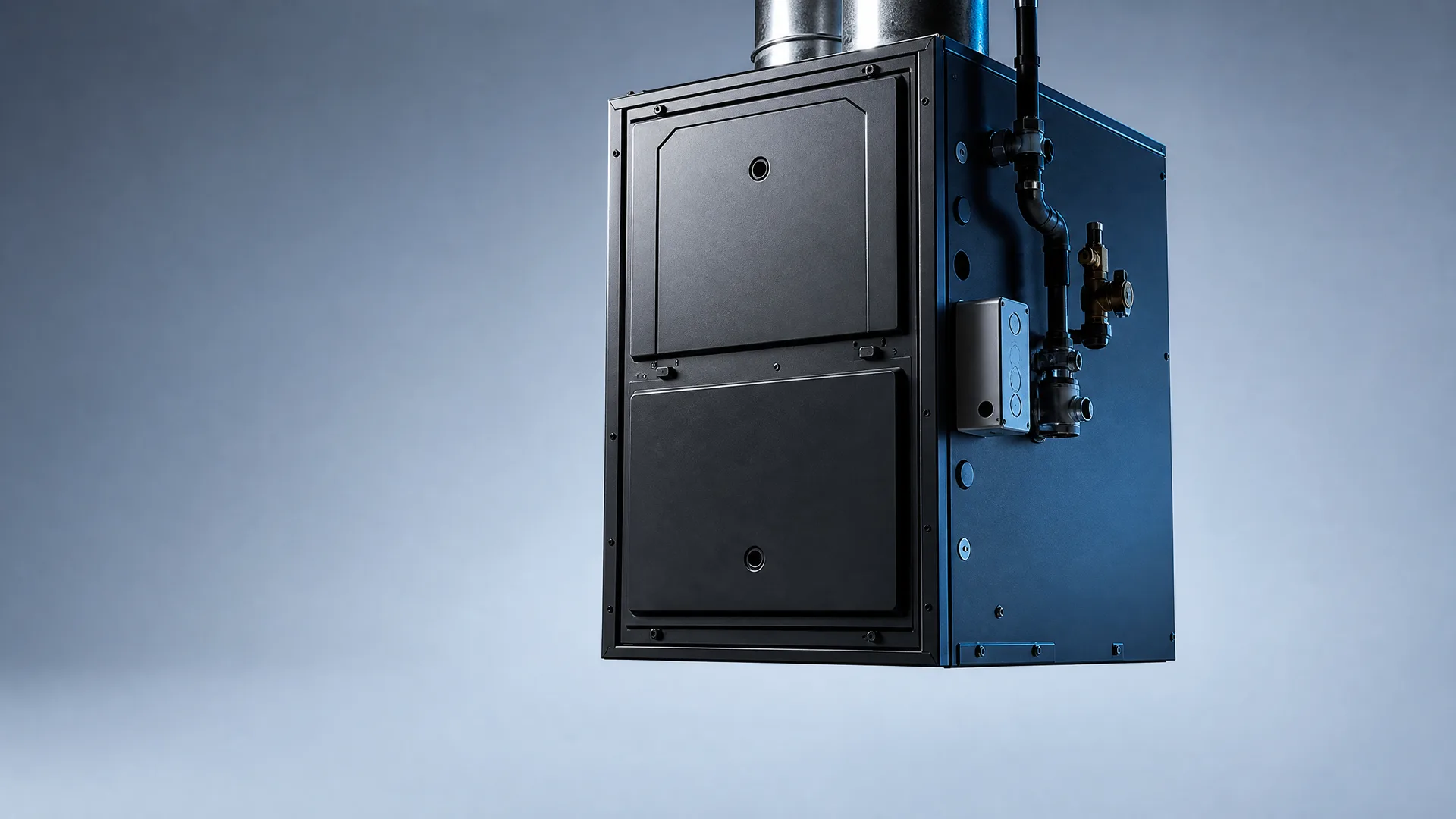
What goes into the cost of a new furnace
Sizing drives the cost more than anything else on the quote. A contractor who does it right runs a heat loss calculation on the house and matches the furnace to that number, not to whatever size was there before. An oversized furnace costs more up front and runs worse, short cycling through the day instead of running steady, which wears the parts that start and stop it. Beyond sizing, you're paying for the work itself. The old furnace has to come out. If the new one is a different size or vents differently, the ductwork, the gas line and the vent connection may all need adjusting to fit it. A furnace vented through a chimney is a different job from one vented out the side wall. The thermostat wiring and the electrical hookup for the blower take their own time too. None of that shows up in a glance at the equipment. It shows up in how long the installer is actually there, and what has to be opened up or changed to get the new furnace breathing, venting and firing the way it should.
What the efficiency rating actually tells you
The efficiency rating on a furnace, the AFUE (annual fuel utilization efficiency, the share of the fuel a furnace turns into heat) number, tells you how much of the fuel it burns turns into heat for the house, and how much goes out the vent. A higher number means less fuel wasted. That's the whole claim. It doesn't tell you how fast the house heats up or how big a space the furnace can handle, and a high efficiency furnace that's oversized for the home still short cycles and still wears out its parts faster. The rating also tells you something about how the furnace is built. A high efficiency model pulls more heat out of the exhaust before letting it go, which means that exhaust is cool enough to vent through PVC (rigid plastic pipe) pipe instead of a metal flue, and it produces condensation that has to drain somewhere. A standard efficiency furnace vents hotter exhaust through metal and doesn't need a condensate line at all. Neither one is the wrong choice in general. The rating tells you how it runs and how it vents. What it costs to run depends on what you pay for fuel and how much heat the house loses, and the label doesn't know either of those.
Taking out what's there
A furnace that's being replaced usually isn't broken outright. It's aging out, or it's being swapped because the new system needs a different vent or fuel setup than the old one used. Whatever the reason, the old unit has to come out before the new one goes in. The heat exchanger inside has been carrying combustion gas for years, and the gas line and vent connector feeding it have to be disconnected and capped or redirected to the new furnace. If the old furnace vented through a chimney and the new one vents out the side wall through PVC, that chimney connection has to be closed off properly, not just abandoned. A furnace that sat on a platform or in a closet built around its old dimensions may need that space adjusted before the new one sits right. None of this is the part most people picture when they think about a new furnace, but it's what determines whether the new one actually fires, vents and drains the way it's supposed to from day one.
Connecticut sees more storms and longer outages than most states, and both can leave a furnace without power to start.
Tell us about the job
Takes about a minute. No obligation.
Fill out the form once and hear from contractors about how your furnace handles an outage.