
Boiler Repair in Connecticut
Homes in Connecticut are older than in 45 of the other 49 states.
Tell us about the job
Takes about a minute. No obligation.
- 23°Fwinter overnight low where people live
- 8 monthsof heat, October through May
- $16.36 per million Btuwhat homes paid for natural gas in 2024 (Btu means British thermal units, a measure of heat)
- 20%of homes lost power a day or more in 2024
Connecticut sees more storms than most states. A power cut can take your boiler out too.
- Heat needed most in Northwest Hills Planning Region, least in Greater Bridgeport Planning Region
- Winter nights average 23°F where people live
- Heat runs October through May
- Climate zone 5A across the state
- 20% of homes lost power a day or more in 2024


- The part that's actually failing gets replaced, not every part that could be failing. That's the difference between a diagnosis and a guess.
- Heat comes back to every radiator or baseboard evenly, not warm on one end and cold on the other.
- A pilot or igniter that was struggling to light fires the way it's supposed to, every time, not every other try.
- Pressure holds steady instead of creeping down week after week.
- A boiler that was short cycling runs a full heating cycle again instead of kicking on and off every few minutes.

A boiler in the Northwest Hills runs harder than one in Greater Bridgeport. The facts put the difference at about 28% more heat needed over a year. That means more cycles, more hours on the igniter and pump, and parts wearing down sooner. If your boiler is in that part of the state, don't be surprised if it's asking for repairs on a shorter clock than a neighbor's system near the coast.
Where you are changes what's likely wrong before anyone looks at the boiler. A unit that's run hard all winter tends to show wear in the pump or the igniter first. One that's barely worked all season is more likely to have sat through a problem that had nothing to do with use, like a stuck valve or a control board issue. Telling a contractor how often the boiler runs, not just that it's broken, gets you a faster answer.
Eight months of heat starts in October
Boilers here start the season in October and run through May, about eight months straight. September is worth a look before that first cold snap. A boiler that sat idle since spring asks a lot of its igniter and pump the first time it fires back up, and a part that was already weak tends to fail right there in the first few weeks, not months into a winter it's already handled fine. Get it checked in September and a contractor is looking for a problem. Wait until it quits in October and you're both looking for a problem and sitting without heat while it gets fixed.


2 months of cooling, July through August
8 months of heat, October through May
What does a boiler in Connecticut face?
How cold do winter nights get?
23°Faverage overnight low where people live
North Dakota4°F
Hawaii65°F
How many months does the heat run?
8 monthsof heating a year
Hawaii0 months
Alaska12 months
What does natural gas cost?
$16.36per million Btu, what homes paid in 2024
Montana$7.77
Hawaii$53.25
How often do storms hit?
216severe weather events per county from 2015 to 2024
Alaska5
Wyoming1,057
How many homes lost power for a day or more?
20%of homes in 2024
Arizona7%
Maine54%
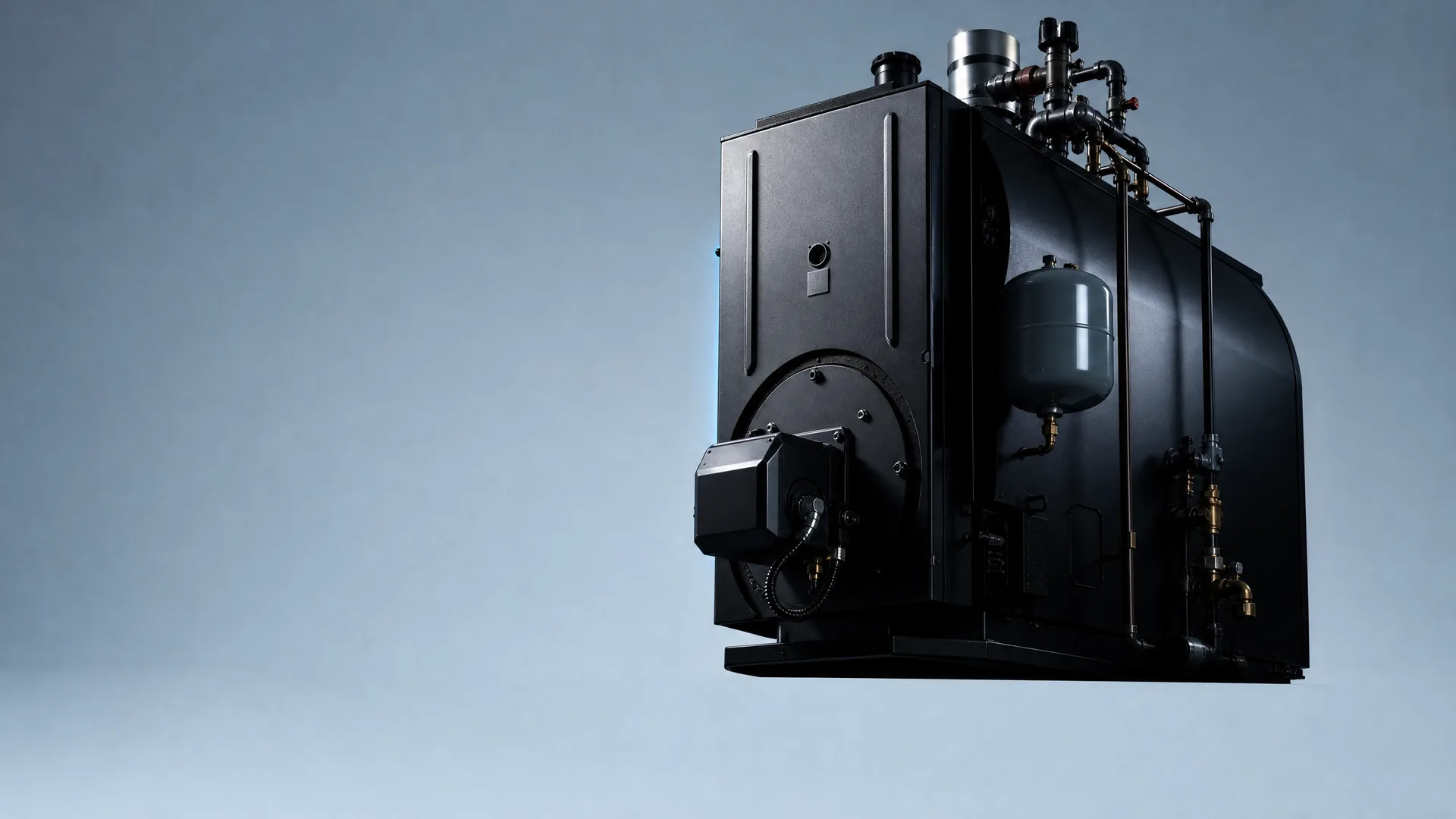
What a boiler tells you before it fails
A boiler that's failing doesn't usually just stop. It tells you first. Banging or kettling from the heat exchanger means mineral scale is making the water boil in spots instead of flowing clean, and it only gets worse left alone. If the pressure gauge keeps dropping and you keep topping it off, there's a leak somewhere in the system even if you can't see water on the floor. A pilot light that's gone from blue to yellow or orange means incomplete combustion. That's not a wait-and-see sign. Radiators or baseboards that heat unevenly, warm at one end and cold at the other, point to trapped air or a circulator pump starting to give out. Short cycling, where the boiler fires on and off every few minutes instead of running a full heating cycle, is hard on every part downstream and usually traces back to a thermostat problem, a clogged filter, or a failing sensor. Any smell of gas, any soot around the burner, or a carbon monoxide alarm going off means shutting the system down and getting someone out right away, not scheduling it for later in the week.
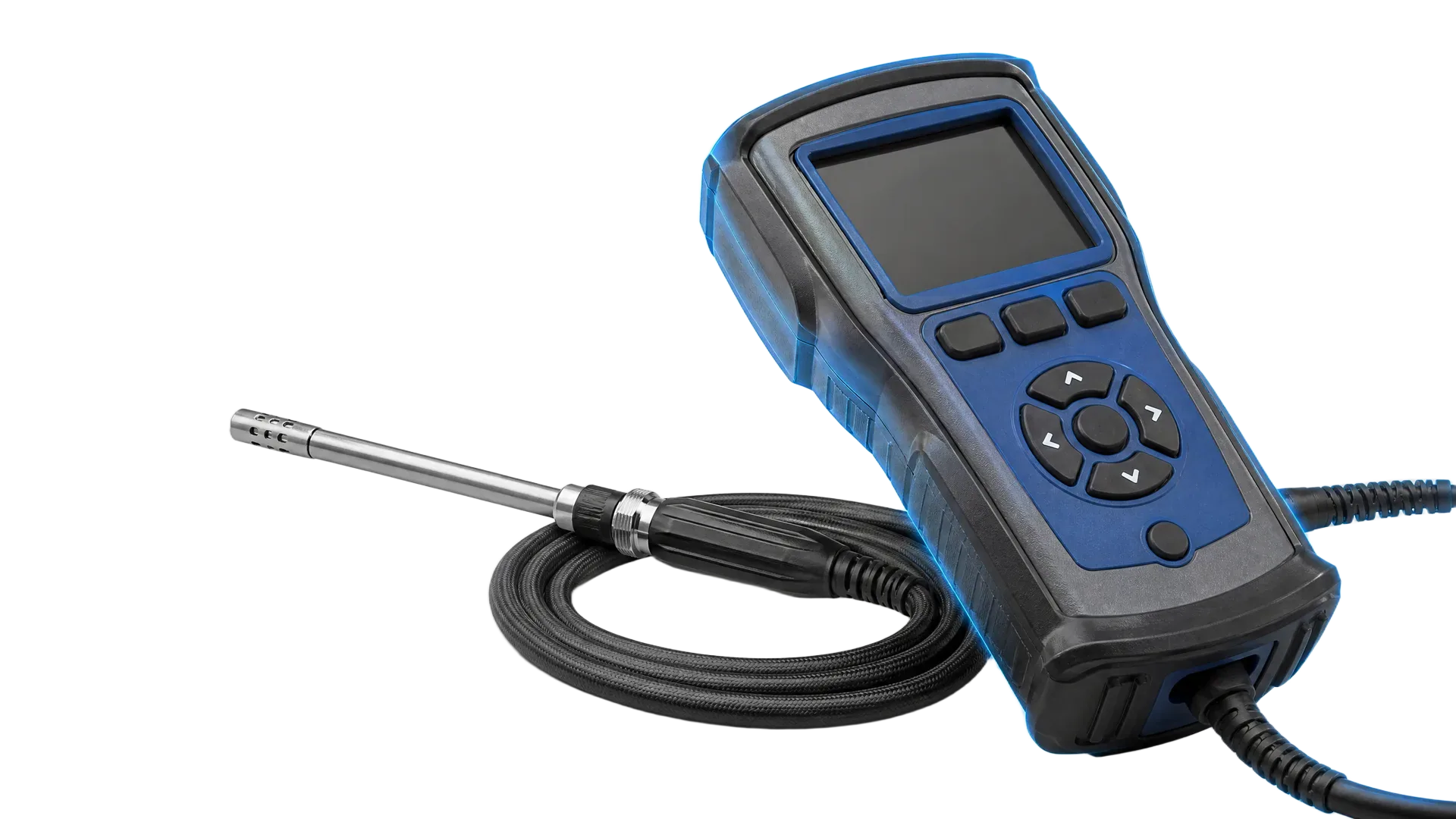
What decides repair or replace
Age is the first thing worth knowing, but not in the way people assume. A cast iron heat exchanger can outlast almost everything bolted to it, which is why a contractor will often replace a circulator pump or a control board on an old boiler without a second thought. It's when the heat exchanger itself is the problem, cracked, leaking internally, that the math changes. That's the most expensive part in the unit, and once it's failing, a new boiler is usually the better money. The other thing worth asking is whether this is the first repair or the third this winter. One failed part is just that, a part. A new problem every few months means the boiler is wearing out all over, not in one spot, and the next repair only buys time until the one after it. Parts availability plays into this too. An older boiler, especially one no longer made, can mean a wait on the right gas valve or control board, where a newer model's parts are easy to get. None of this means a boiler running fine and asking for one repair needs to go. It means paying attention when the same one keeps asking.
What actually happens when someone comes out to look
A contractor starts by asking questions, not opening the panel. What the boiler is doing, or not doing, and when it started. Banging, short cycling, no heat at all, these point to different parts, so the questions come first. Next comes a check of the basics. Pressure on the gauge, whether the pilot or igniter is lighting, whether water is circulating. Low pressure sends the search toward a leak. Normal pressure with no heat points toward the thermostat, the control board, or the ignition system instead. From there it's a process of elimination, testing one part at a time rather than guessing. A multimeter checks whether a sensor or igniter is getting power and responding the way it should. The heat exchanger gets a look for scale buildup or signs of cracking, since that changes the whole conversation about repair versus replacement. The venting gets checked too, because a blocked or failing vent can shut a boiler down as a safety measure even when every other part is fine. By the end, the contractor should be able to point to the part that's failing and explain why, not just that something is wrong somewhere in the system.
A boiler that took a hit from a storm or sat through a day-long outage is worth checking.
Tell us about the job
Takes about a minute. No obligation.
Answer a few questions and a licensed contractor will call to look at your boiler.