




A two-story red brick house with dark shutters and a gray roof sits behind a mowed lawn, a dry-stacked stone retaining wall, and large deciduous trees under an overcast sky.

Boiler Repair in New Haven, CT

Tell us about the job

Takes about a minute. No obligation.

RepairBoilerSouth Central Connecticut Planning Region, CT
Step 1 of 2

What ZIP code is the job in?

Heat goes on in New Haven come October, and that is when a boiler finds out what the summer left wrong with it. A weak igniter or a failing circulator pump can sit quiet for months with no call for heat, then get asked to work every day once the temperature drops. If your boiler struggled at the start of last season, the same part is often the one giving out now. September is worth a look before that first cold week, since a problem caught then is usually smaller than the same problem found once the boiler is running every day.

Check the pressure gauge before you touch anything else.

A boiler reading below the normal range usually just needs water added, not a repair call.

New Haven doesn't ask anything unusual of a boiler. Most problems here are the ordinary ones.

20% of homes statewide lost power a day or more in 2024
Heat runs October through May
Winter nights average 25°F
New Haven boiler repairGas ran $16.36 per million Btu in Connecticut in 2024. A boiler losing efficiency costs more every month it runs that way.

Half the homes in the South Central Connecticut Planning Region were built in 1964 or earlier. A boiler that came with a house that age has likely been replaced at least once already, but if yours is original to the house or close to it, age is worth factoring into a repair decision. An old boiler can still heat the house fine and still be close to done. If a repair on an older unit is a big one, ask the contractor how much life is likely left in it before you pay for the fix.

Ask how much life the boiler has left before you fix it

If the repair in front of you is a big one, ask about the boiler's age before you say yes. A contractor who can see the unit can tell you roughly how much life it has left, and that's worth knowing before you commit to the fix.

Find a contractor

Mineral buildup inside the heat exchanger

Water leaves mineral deposits on the heat exchanger over years of heating and cooling. The scale acts like insulation, so the burner has to run longer to get the same heat into the water. Left alone, the exchanger can crack from the uneven heat.
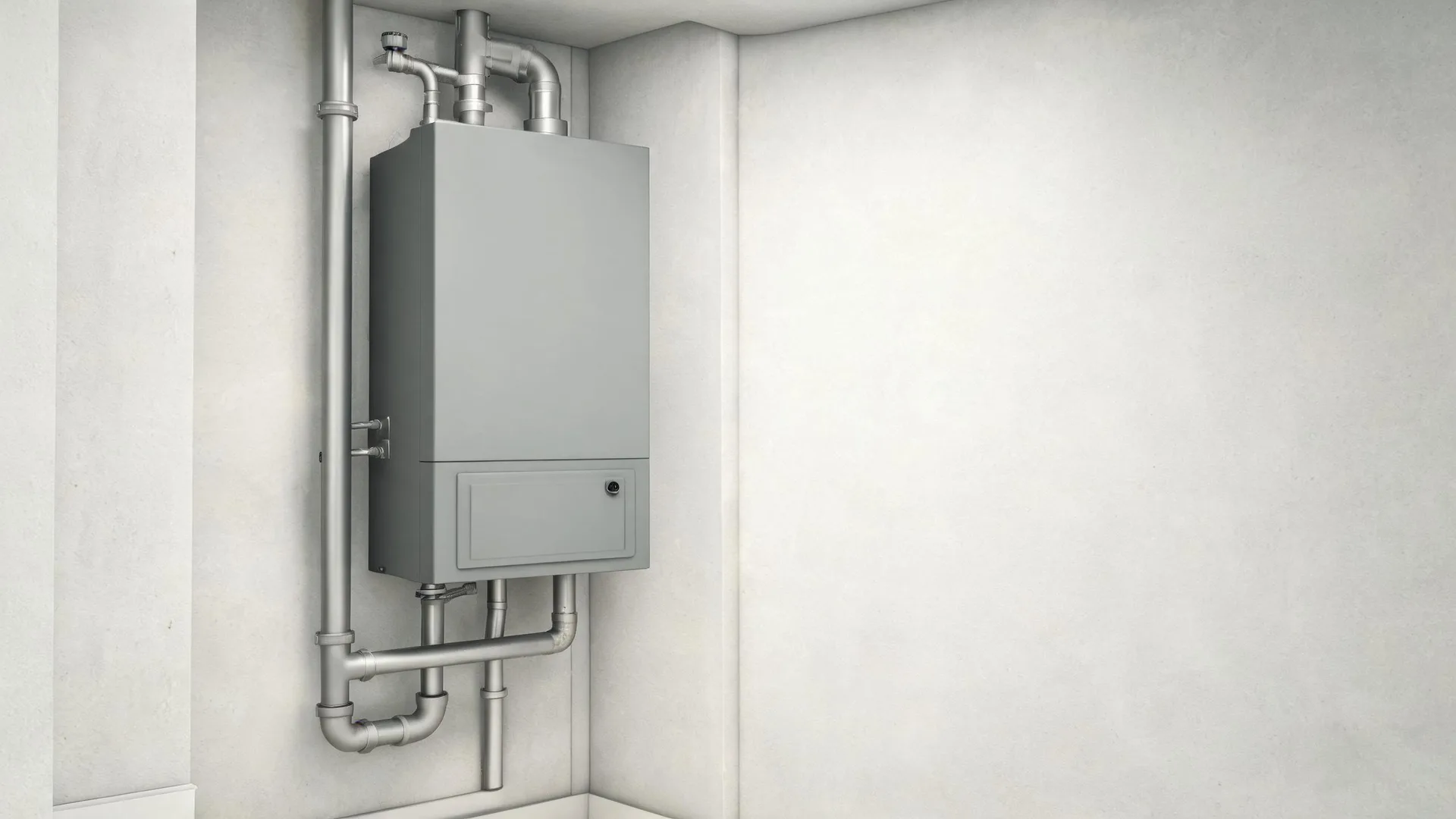
A circulator pump that's lost its seal

The circulator pump pushes hot water through the system, and its seal wears out like any moving part under constant use. Once it starts leaking, you'll notice a damp spot near the pump or hear it running louder than usual. A pump that fails outright means no heat anywhere in the house, even though the boiler itself is firing fine.

A boiler that's about to need a repair usually tells you in sound before anything else. Banging or kettling from the heat exchanger means mineral buildup is making the water boil in spots before it circulates out. A low hum that turns into a knock as the system runs points at the circulator pump. Short cycling, where the boiler fires, shuts off, then fires again a few minutes later, is often the pressure or a failing sensor rather than anything wrong with the burner itself. If some rooms heat and others stay cold, check for air in the system before assuming a part has failed. And if the boiler is running but the water coming out of the tap or the radiators stays lukewarm, that's usually the aquastat or the heat exchanger losing the fight against scale, not something that will fix itself by waiting.

A diagnostic visit starts with the gauges, not the burner. A contractor checks system pressure and temperature first, because those numbers point the rest of the visit in a direction. From there it's a look at the flame itself, whether it burns steady and blue or struggles to stay lit, which says something about the igniter or the gas valve. The circulator pump gets checked for noise and leaks around the seal. Water quality matters too, since cloudy or discolored water hints at corrosion or scale building inside the exchanger before it ever shows up as a symptom you'd notice. Most of this happens with hand tools and a gauge, not by taking anything apart.