
Mini Split Installation in Connecticut
Homes in Connecticut run cooling for fewer months of the year than in 34 of the other 49 states.
Tell us about the job
Takes about a minute. No obligation.
- 81°Fsummer afternoon high where people live
- 2 monthsof cooling, July through August
- 23°Fwinter overnight low where people live
- 8 monthsof heat, October through May
Electricity here costs more than most states efficiency shows up on your bill
- Cooling needed most in Greater Bridgeport Planning Region, least in Northwest Hills Planning Region
- Summer afternoons average 81°F where people live
- Winter nights average 23°F where people live
- Cooling runs July through August
- 20% of homes lost power a day or more in 2024


Most homes here predate central air
Half the homes in Connecticut were built in 1967 or earlier. A house that old was built with a boiler or a window unit in mind, not a mini split. That matters when a contractor is deciding where the outdoor compressor sits and how far the line set has to run to reach each room. Most homes in the state are single-family, attached or detached, so the install is usually working around one house's own walls and roofline rather than a layout shared with neighbors. None of that rules out a mini split. It just means the job starts with the house you have, not a standard one.
The number on a mini-split's spec sheet, SEER2 (seasonal energy efficiency ratio under the 2023 test, an AC's cooling efficiency over a season), tells you how much cooling it produces for the electricity it uses over a season, not how big the unit is or how fast it cools a room. A higher SEER2 unit costs more upfront but pulls less power to do the same job, every time it runs. The gap between a low number and a high one shows up every cycle, all season, not just on the hottest days. Heating has its own rating, HSPF2 (heating seasonal performance factor under the 2023 test, a heat pump's heating efficiency over a season), and it's worth checking separately, since a unit can be strong on one and average on the other.
A mini-split's rated efficiency only holds if the unit is sized to match the room it's heating and cooling. An oversized unit short cycles, turning on and off fast instead of running steady, and it never gets the chance to perform at the number on its label. Undersized, it runs flat out and still can't keep up on the hardest days. The rating also assumes the line set length and refrigerant charge are right, since a long line run or a low charge makes the compressor work harder for the same result. Sizing the unit to the room is what makes that label mean anything at all.
Cooling runs two months here, so June is when to install
Cooling here only runs two months, July and August. That's a short season compared to most of the country, fewer months of cooling than 34 other states see. A mini split installed in June is ready on day one of July, with the contractor working on a normal schedule instead of racing a heat wave. Wait until the first hot week and you're calling around while everyone else is too, trying to get a unit in during the two months a year it actually has to work.
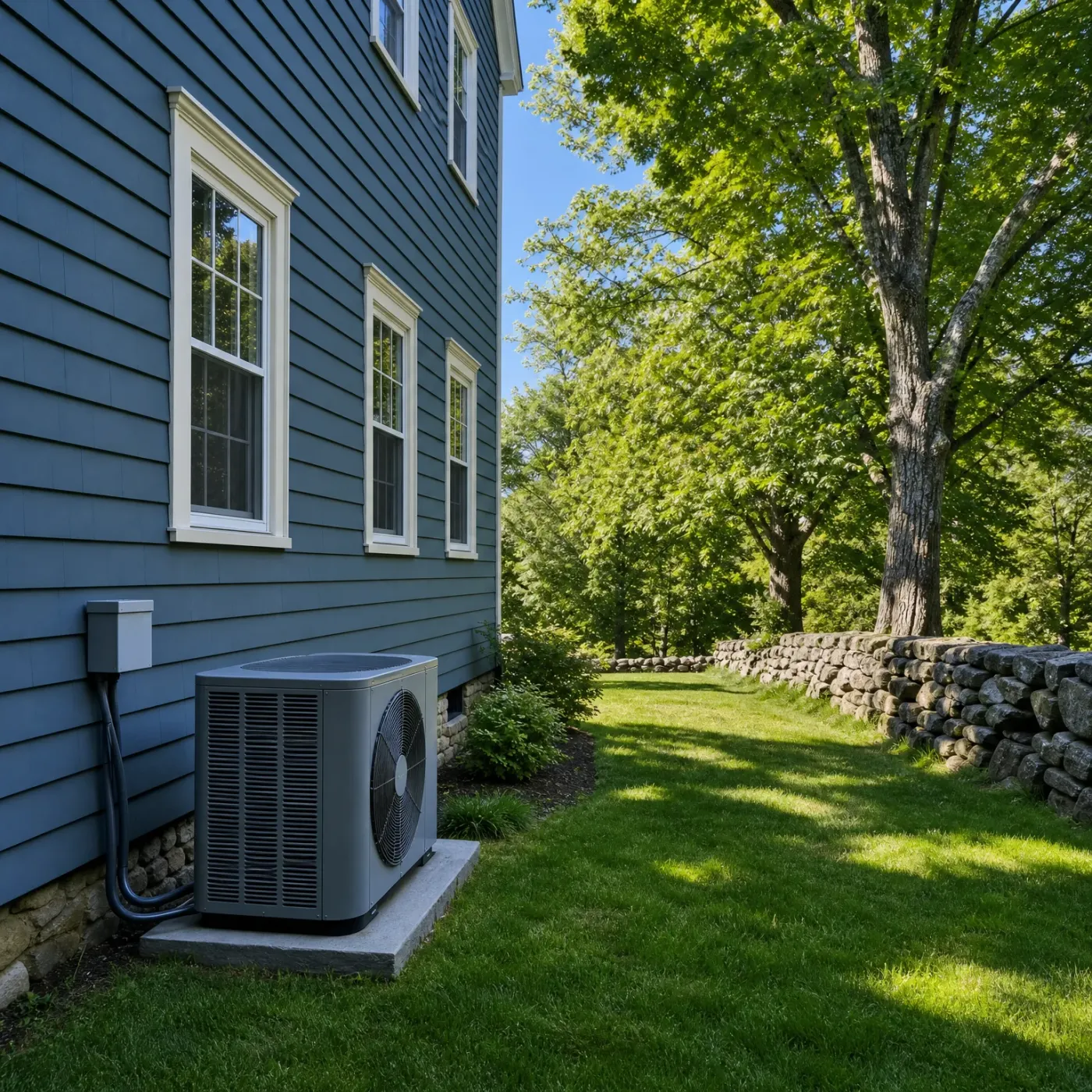
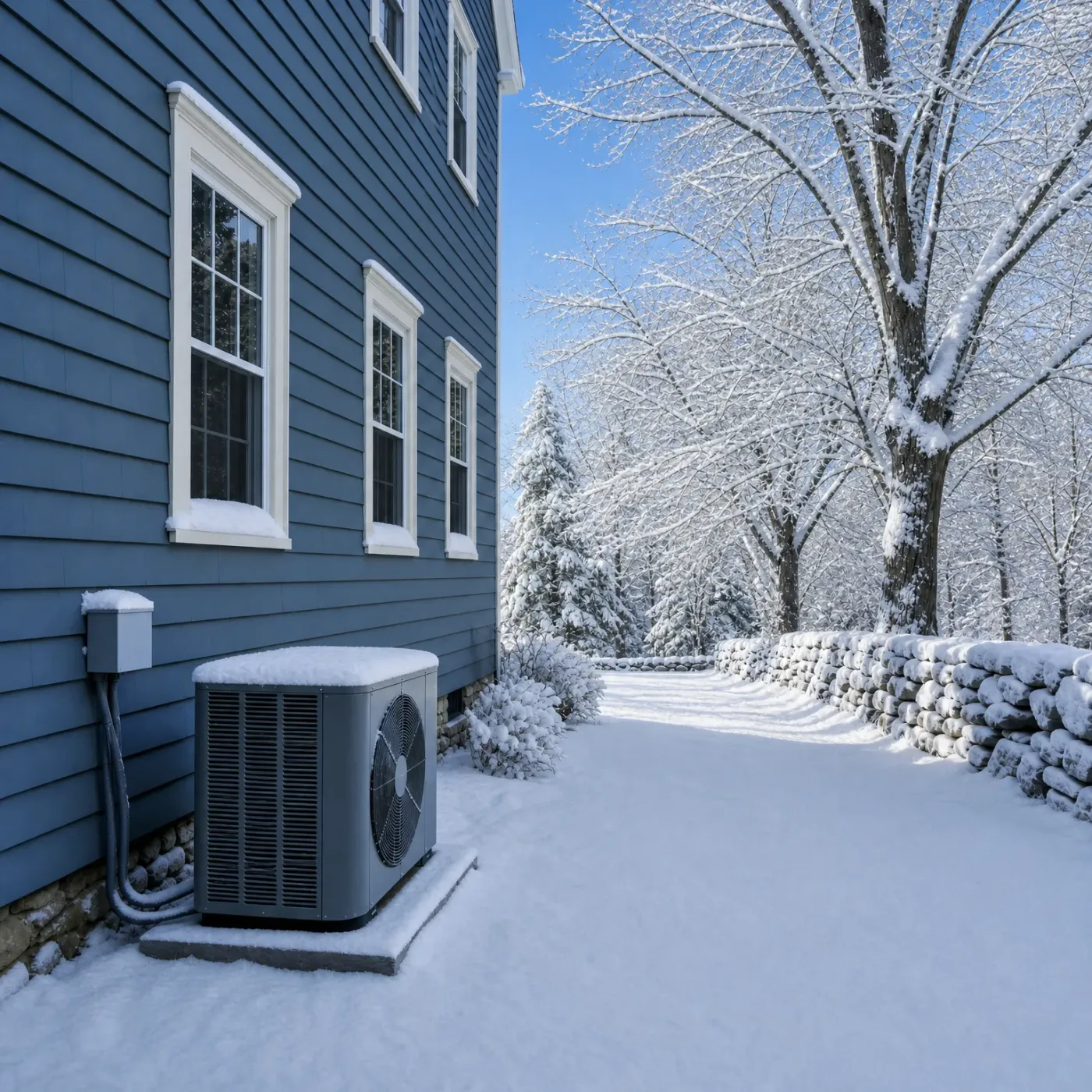
2 months of cooling, July through August
8 months of heat, October through May
Cooling need is not the same across the state. Homes in Greater Bridgeport Planning Region need about 79% more cooling over a year than homes in Northwest Hills Planning Region, where the need is lowest in Connecticut.
That gap shows up in how long the system runs, not just how hard. Greater Bridgeport homes run cooling about 4 months a year, the longest stretch in the state. Northwest Hills homes run about 2, the shortest. A mini split sized for one region runs wrong in the other.
Statewide, the average is two months, July and August. Afternoons average 81°F across June, July and August. A Greater Bridgeport household may be running the unit well past that two-month average, while a Northwest Hills household uses it for less.
Connecticut as a whole asks less of a cooling system than most states do. Homes here run cooling fewer months of the year than in 34 of the other 49 states, and summer afternoons run cooler than in 35 of them. Where a given home falls inside that picture depends on which part of the state it's in.
What does a mini split in Connecticut face?
How hot do summer afternoons get?
81°Faverage afternoon high where people live
Alaska66°F
Arizona101°F
How cold do winter nights get?
23°Faverage overnight low where people live
North Dakota4°F
Hawaii65°F
How many months does the cooling run?
2 monthsof cooling a year
Alaska0 months
Hawaii12 months
What does electricity cost?
28.75¢per kWh (kilowatt hours, the unit on an electric bill), what homes paid in 2024
North Dakota11.51¢
Hawaii42.86¢
How often do storms hit?
216severe weather events per county from 2015 to 2024
Alaska5
Wyoming1,057
How many homes lost power for a day or more?
20%of homes in 2024
Arizona7%
Maine54%
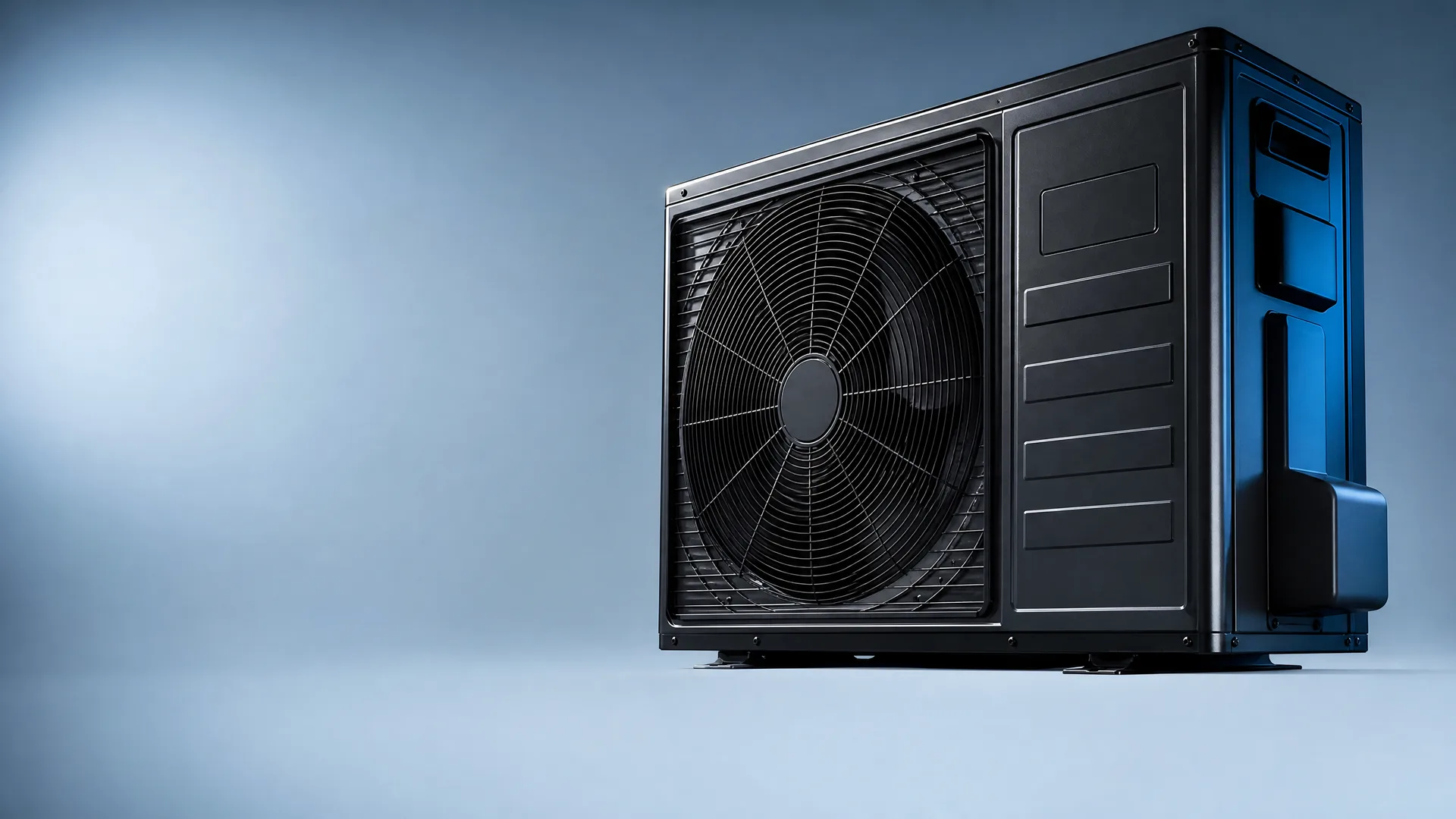
A mild climate means the machine itself isn't the risk
Two months of real work a year is not much to ask of a compressor. July and August are mild here compared to most of the country, so the unit outside rarely runs flat out. A mini split here is more likely to fail from a bad install or years of skipped filter cleaning than from the work itself. That's reason enough to put the money into getting the sizing and line set right, rather than chasing the highest SEER2 number on the shelf.
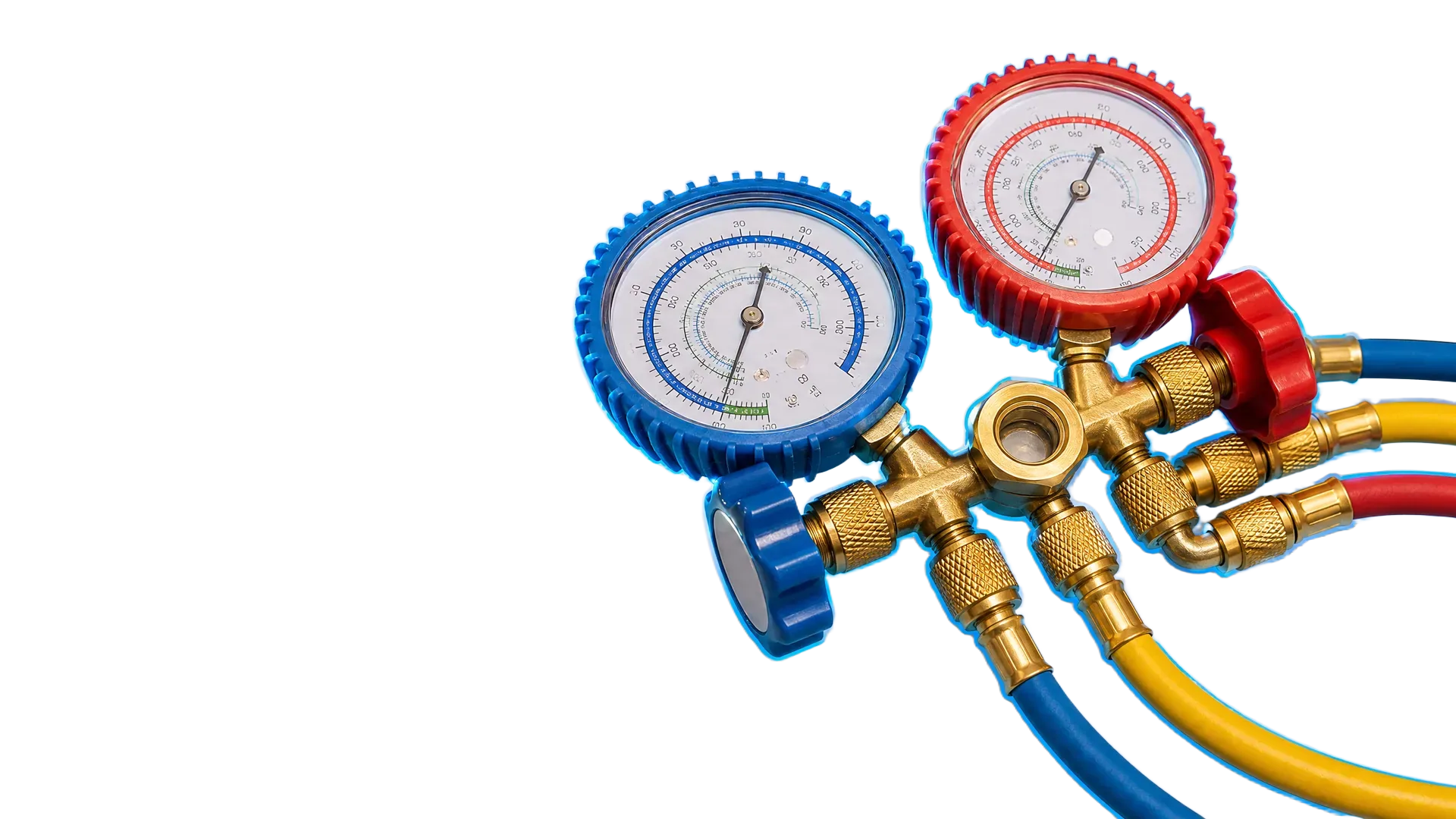
What to ask when comparing systems
Ask how many zones the system is quoted for, and what each indoor unit is rated to cover. A mini split can run one room off a single head or several rooms off one outdoor compressor, and the right setup depends on how the rooms are laid out, not just how many there are. Ask what's driving the choice of outdoor unit location, since the compressor needs clear airflow around it and a line set run that doesn't fight the house. Ask whether the quote includes a line set long enough for where the compressor has to go, because a longer run changes what the system can deliver. Ask what happens at the wall, how the line set gets from outside to inside and what gets patched or finished once it's through. And ask for the sizing math itself, the load calculation for each room, not just a unit recommendation. A contractor who can walk you through how they arrived at a size is doing the part of the job that decides whether the rest of it works.
The rate makes the rating matter more here
Connecticut homes pay 28.75 cents per kilowatt-hour for electricity, more than homes in 46 other states. Whatever a mini split pulls to cool a room gets billed at that rate, not the national average. The SEER2 number on the unit decides how much of that rate turns into cooling and how much just runs the compressor harder than it needs to. A unit sized and installed right earns back the difference on a bill that is already higher than most of the country's.
Electricity here runs 28.75 cents a kilowatt-hour, so a wrong-sized unit costs you all year.
Tell us about the job
Takes about a minute. No obligation.
Fill out the form and a licensed Connecticut contractor sizes the job to your rooms.