
Furnace Repair in Connecticut
Homes in Connecticut are older than in 45 of the other 49 states.
Tell us about the job
Takes about a minute. No obligation.
- 23°Fwinter overnight low where people live
- 8 monthsof heat, October through May
- $16.36 per million Btuwhat homes paid for natural gas in 2024 (Btu means British thermal units, a measure of heat)
- 20%of homes lost power a day or more in 2024
Storms here knock out power often Furnaces need that power to run
- Heat needed most in Northwest Hills Planning Region, least in Greater Bridgeport Planning Region
- Winter nights average 23°F where people live
- Heat runs October through May
- Climate zone 5A across the state
- 20% of homes lost power a day or more in 2024

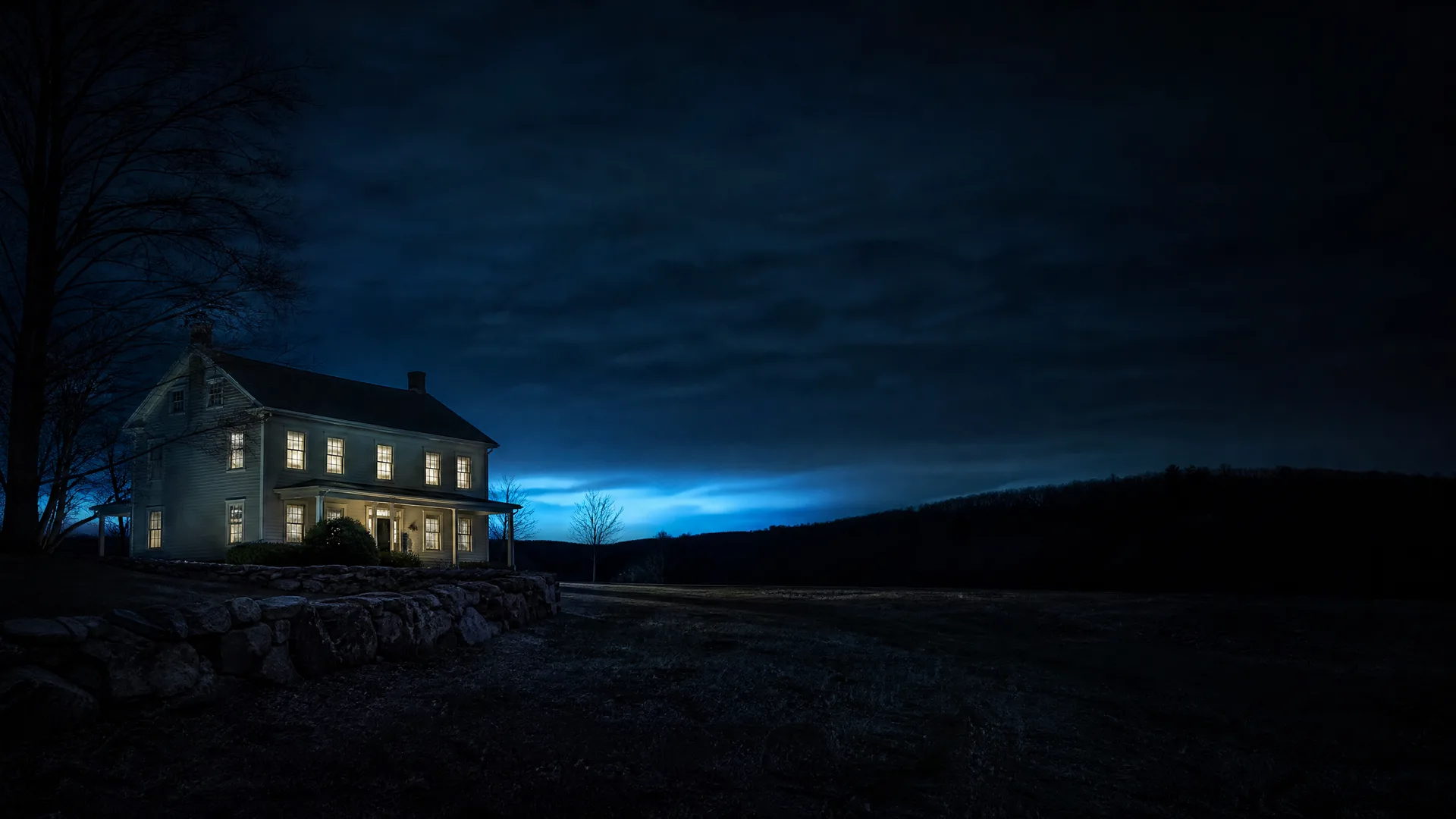
Connecticut's homes are older than most
Half the houses in Connecticut were built in 1967 or earlier. Most of the state's housing is single-family, the kind of house where one furnace serves the whole place. If yours came with the house, it may already be past the point where repair makes sense. A furnace that age can still run fine, but when something in it fails, it's worth asking the tech straight out whether you're fixing a problem or just delaying the next one.
September is worth a call before the cold sets in, not after. A furnace that sat idle since spring won't show a cracked heat exchanger or a tired igniter until it has to fire up and hold through a cold night, and by October it's already being asked to do that.
Connecticut needs heat from October through May, more months than 22 other states see. That's a long stretch for an igniter or a blower motor to hold up over, and it means less room each year to put off a repair before the next cold snap finds it.
Connecticut winters are cold, not unusual
Connecticut's overnight lows average 22°F through December, January and February. That's colder than in 29 of the other 49 states, but it's not extreme cold. A furnace that's been maintained has no trouble holding a house through nights like that. Homes here run heat from October through May, longer than most states need it. That long a stretch puts more cycles on the igniter and the blower motor, but it's the same wear any furnace in a cold state sees. Nothing about winters here points to a different problem than you'd expect. A worn igniter. A dirty flame sensor. A blower motor on its way out. The fix is usually the ordinary one.

2 months of cooling, July through August
8 months of heat, October through May
What does a furnace in Connecticut face?
How cold do winter nights get?
23°Faverage overnight low where people live
North Dakota4°F
Hawaii65°F
How many months does the heat run?
8 monthsof heating a year
Hawaii0 months
Alaska12 months
What does natural gas cost?
$16.36per million Btu, what homes paid in 2024
Montana$7.77
Hawaii$53.25
How often do storms hit?
216severe weather events per county from 2015 to 2024
Alaska5
Wyoming1,057
How many homes lost power for a day or more?
20%of homes in 2024
Arizona7%
Maine54%
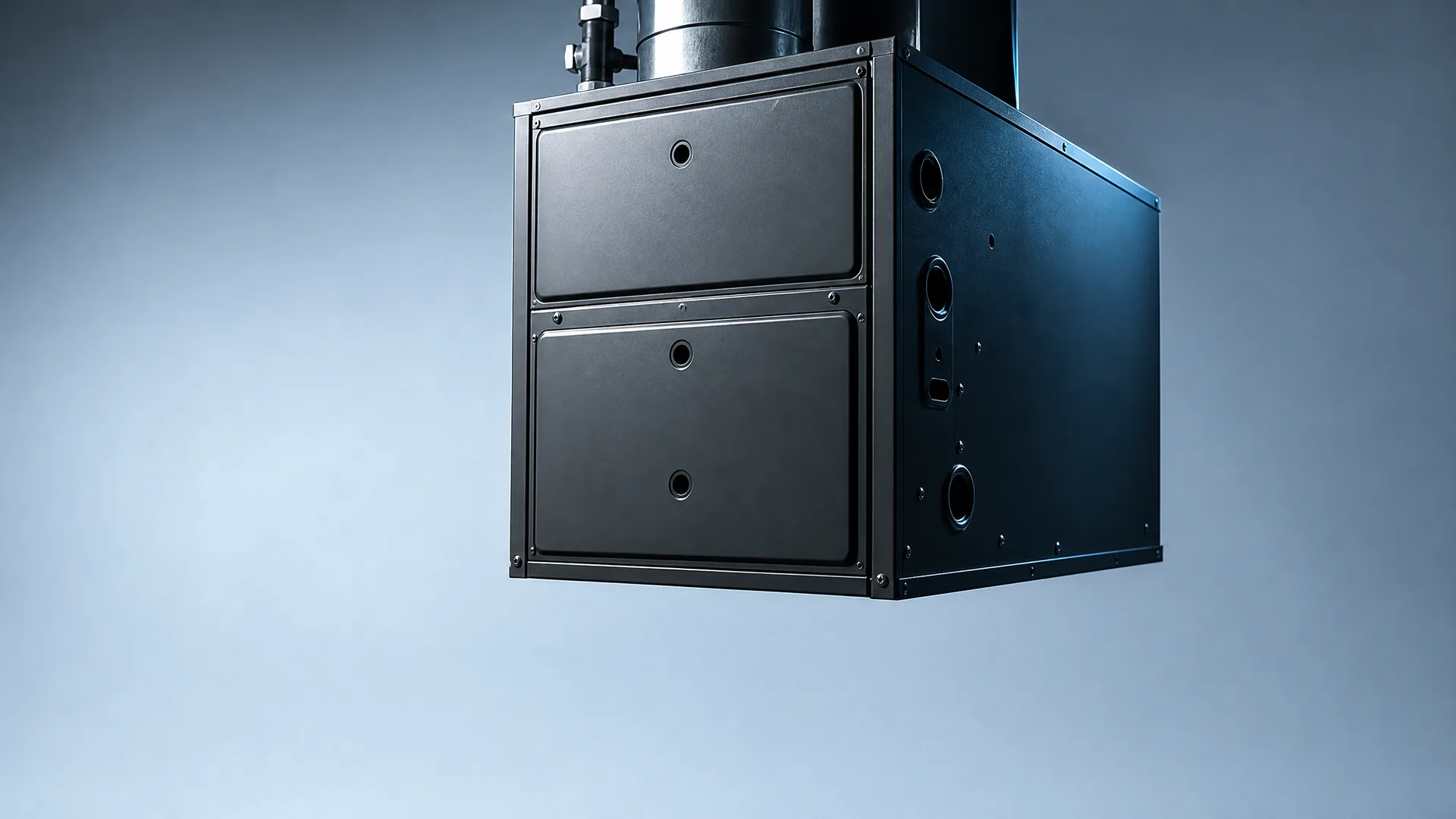
A broken part doesn't always mean a broken furnace
A furnace rarely fails all at once. One part gives out while the rest of the unit is still sound, and a tech can usually tell you which situation you're in within a few minutes of looking at it. What matters is which part failed, not just how old the unit is. A cracked heat exchanger means the whole furnace needs to go. That's a safety problem, not a repair. A failed igniter, a dirty flame sensor, a blower motor starting to whine are different. Those are normal wear parts, and they fail on furnaces of any age. Replacing just that part is usually the right call. What should make you think harder about the whole unit is a pattern, not a single breakdown. If this is the second or third repair in a short stretch, or parts for this model are getting hard to find, that's worth asking about directly. One repair on an older furnace doesn't mean it's done. A string of them usually does.
What to check before you call
Before you pick up the phone, check the simple things. Make sure the thermostat is set to heat and set a few degrees above room temperature, and check that it has power or fresh batteries if it uses them. Go to the furnace itself and see that the switch on or near it, often a plain light switch, is in the on position. Check the breaker for the furnace in the panel. If it's a gas furnace, make sure the gas valve is open and that any switch on the pilot or control board hasn't tripped. Look at the air filter. A filter clogged with dust can choke airflow badly enough that the furnace shuts itself off as a safety measure, and swapping it is something you can do yourself in a few minutes. Walk around the house and check that vents and returns aren't blocked by furniture or rugs. If the furnace vents through a pipe on the outside wall, take a look and clear away anything blocking it, snow, leaves, a nest. None of this is a repair. It's ruling out the easy explanations so that when the tech does come, you already know it's something more than a flipped switch or a dirty filter.
Hartford hills work harder than the shoreline
Northwest Hills needs about 28% more heat over a year than Greater Bridgeport, the low point for heating need in the state. More heating hours mean more cycles on the igniter and the blower motor, so a furnace up in the hills earns its wear faster than one near the coast. Where you are changes what a tech expects to find first, not whether the furnace is reliable.
A furnace acting up on a cold night here is usually a worn part, not a reason to replace it.
Tell us about the job
Takes about a minute. No obligation.
Fill out the form and a licensed Connecticut contractor will get in touch about what's going on.