




A row of similar gabled wood-sided houses behind a white picket fence, with mown grass in the foreground and leafy trees overhead.

Furnace Repair in Stamford, CT

Tell us about the job

Takes about a minute. No obligation.

RepairFurnace or heatingWestern Connecticut Planning Region, CT
Step 1 of 2

What ZIP code is the job in?

Furnaces in Stamford run from October through May, about eight months of the year. Overnight lows average 22°F in December, January and February. That is a normal workload for this equipment, not something that wears it out early. When a furnace here stops heating or short cycles, the cause is usually the same handful of things that go wrong with furnaces anywhere. A failed igniter. A dirty flame sensor. A clogged filter choking off airflow. A blower motor on its way out. A contractor who checks these in order will usually find the real problem fast. There is rarely a reason to assume something unusual is going on just because it is cold outside.

8 months
October through May, your furnace is on duty
22°F
the average winter night it heats against
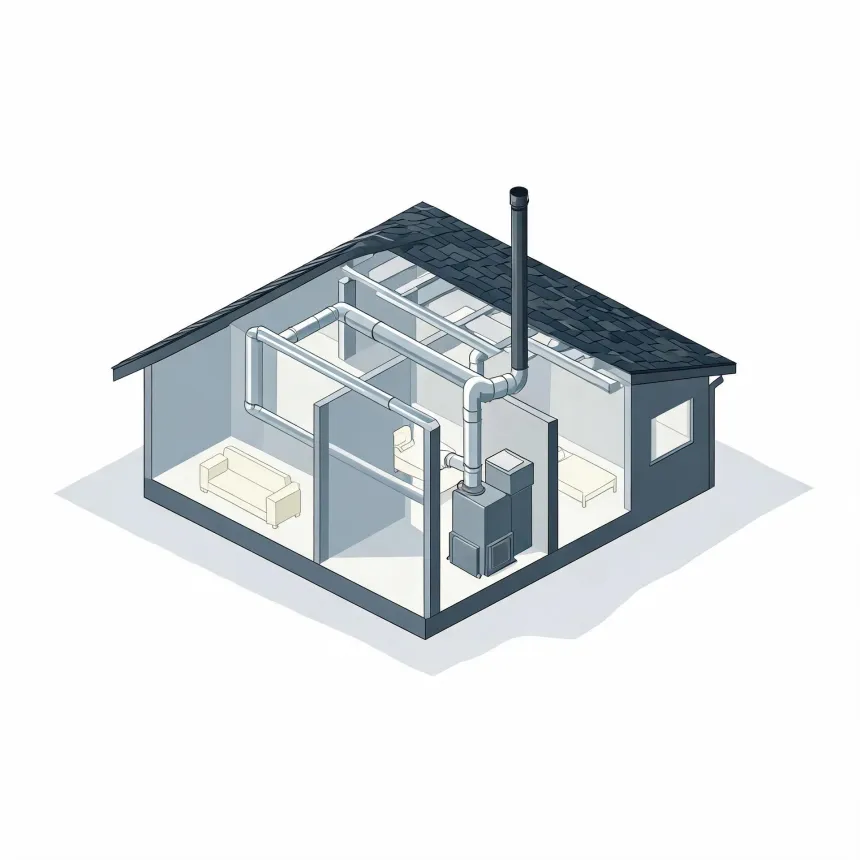
Isometric cutaway illustration of a small single-story house showing a furnace with a flue pipe through the roof and ducting running to rooms containing a sofa, chair and bed.
Your furnace works hardest from November through March.

NOAA 1991–2020 monthly normals

Most furnace failures come down to one part wearing out, not the whole system quitting at once.

Find the one part and the furnace usually comes back, which is why a tech checks the igniter and sensor before touching anything else.

Oil here runs $21.64 per million Btu, and a furnace running wrong burns more of it every day it's not fixed

Heat runs October through May
Winter nights average 22°F
Half the homes here were built by 1971
No power, no heat, even with a full tank20% of Connecticut homes lost power for a day or more in 2024, and a furnace needs power to run

Half the homes in Stamford and the surrounding area were built in 1971 or earlier. If your furnace came with a house that old, the furnace itself might be original, or it might have been swapped out at some point since. There's no way to tell from the house's age alone, someone needs to look at the unit itself, check the nameplate and see how it's holding up. A furnace near the end of its life can usually still be repaired, but it's worth knowing that before paying for the repair, not after.

Know what you're repairing before you repair it

A contractor can check the nameplate and tell you how old the unit actually is. That's worth knowing before you pay for a repair, not after.

Find a contractor
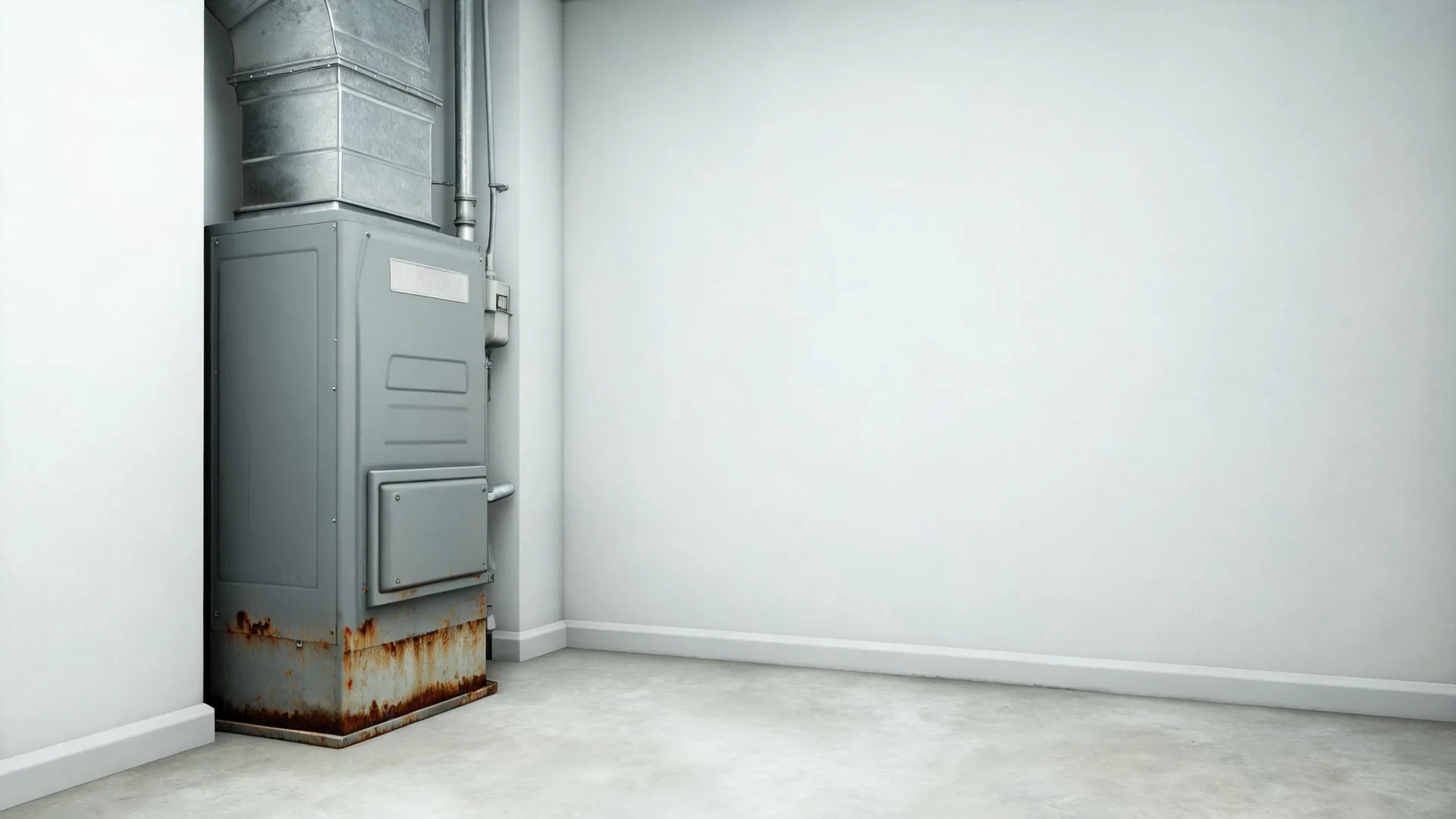
A gray high-efficiency gas furnace installed in an unfinished basement, surrounded by gas lines, a condensate drain, and sheet-metal ductwork.

What to check before the truck shows up

Before anyone comes out, check the filter. Pull it and hold it up to a light. If you cannot see light through it, it is choking the airflow and that alone can cause short cycling or a furnace that blows cold air in bursts. Check the switch on the side of the furnace, the one that looks like a light switch. It should be on. Go to the breaker box and make sure nothing has tripped. Check the thermostat batteries too. If the furnace has a standing pilot, look through the little window for the flame. It should be blue, not yellow or orange. If it has an igniter instead, there is no flame to check, but you can listen. It should click, glow, then the burners should catch. If it clicks over and over with no ignition, that is an igniter or flame sensor problem, and there is no point letting it keep trying. Walk the house and check that vents and returns are not blocked by furniture or rugs. None of this fixes a cracked heat exchanger or a bad control board. It rules out the easy stuff first, and it gives the contractor a head start.

A short cycling furnace is overheating something

When a furnace shuts off before the house warms up, that's usually a safety switch doing its job. A clogged filter, a blocked vent or a weak blower can all starve the system of airflow, and the heat exchanger gets hotter than it should. The switch trips to protect it. Every cycle it keeps doing that, the metal is heating and cooling faster than it was built for.
A cracked heat exchanger does not heal on its own

Once that metal has a crack, running the furnace flexes it with every cycle, and the crack opens further each time. It will not seal itself or stop growing. Left alone, a problem that started as a repair can end as a replacement, and in the meantime it's a path for exhaust gas to get where it shouldn't.

A furnace that needs attention rarely stays quiet about it. Heat that comes out lukewarm, or doesn't reach every room the way it used to, usually means the blower or the burners aren't working the way they should. A burner flame that's yellow or orange instead of steady blue is telling you something about combustion, not just color. Listen for sounds that weren't there before. A boom at startup. A grinding or squealing from the blower. A rattle that follows the fan and won't quit. Rooms that run cold while the thermostat insists it's warm, a furnace that cycles on and off every few minutes, or a smell of gas near the unit are all reasons to stop waiting and get someone to look at it. None of these mean the same thing every time, but none of them are normal either.

A diagnostic visit starts before any panel comes off. A tech will ask what the furnace was doing, when it started, and whether anything changed right before. A thermostat swap, a filter left too long, a breaker that tripped. Then it's gauges and a meter. Gas pressure gets checked. Voltage to the igniter and the flame sensor gets checked. The blower gets pulled so the tech can look at the wheel and the motor bearings. A combustion analyzer can tell a tech what the flame is actually doing inside the heat exchanger, not just what color it looks through the window. Most of this is ruling things out one at a time, not guessing. By the end, a tech should be able to point to the one part that failed and explain why it took the rest of the system down with it.