




Is it time to replace an oil boiler in Connecticut

Get in touch with a local installer about a new boiler.

Find a boiler pro

A handful of signs tell you it's time. If the boiler is leaking, won't hold pressure, or the burner won't stay lit without a reset, that's an oil boiler on its way out. Age matters too. Most oil boilers last 15 to 20 years, and once a unit gets into that range, repairs start coming more often and cost more each time. Rising oil bills with no change in how you heat the house are another sign the heat exchanger is losing efficiency. In Connecticut, where the boiler has to carry the house through a long, cold winter, an old unit working harder doesn't just cost more, it's more likely to fail on the coldest night of the year, when you need it most. If your boiler is old and giving you trouble, it's worth having someone look at it before you're stuck without heat.

A gray-haired bearded man in a dark coat and scarf dusted with snow stands smiling in a dimly lit entryway with a white front door, a side table with a lit lamp, an oval mirror, and a patterned rug.
An older bearded man in a dark snow-dusted coat and gray scarf stands just inside a dimly lit home entry, with a framed picture, lit table lamp, and an adjoining room with a fireplace behind him, and snow visible through the open door.
A gray-haired, bearded man in a dark snow-dusted coat stands smiling in a dimly lit entry hall with a staircase, a lit table lamp, a framed picture, and a living room visible through a doorway.
An older man with gray hair and a beard, wearing a dark jacket dusted with snow, stands smiling in a dimly lit hallway with lamps and a living room visible behind him.

How do I know if my oil boiler is on its last leg?

You've seen the oil boiler act up. maybe it's sooting up the flue, cycling on and off more than it used to, or taking longer to get the house warm than it did a few winters back. You're trying to figure out whether what you're seeing is normal wear or the start of the end, and whether a repair now just delays a replacement you'll be paying for anyway next winter.

Watch the burner, the flue, and the cycling, not just the age on the nameplate.

A healthy oil boiler fires cleanly: the burner motor kicks on, the igniter lights the oil spray, and you get steady heat with no smell. When a boiler is failing, the burner starts struggling first. It may rumble, delay before ignition, or kick out sooty smoke that stains the flue pipe black. Short cycling, where the boiler fires for a few minutes then shuts off before the house warms up, usually means the heat exchanger is cracked or scaled over and can't transfer heat the way it should. Rust-colored water or a boiler that needs water added every few weeks points to a leak inside the tank itself, not just a bad gasket. Any of these on their own is worth a technician's look. Together, they mean the boiler is on its way out.

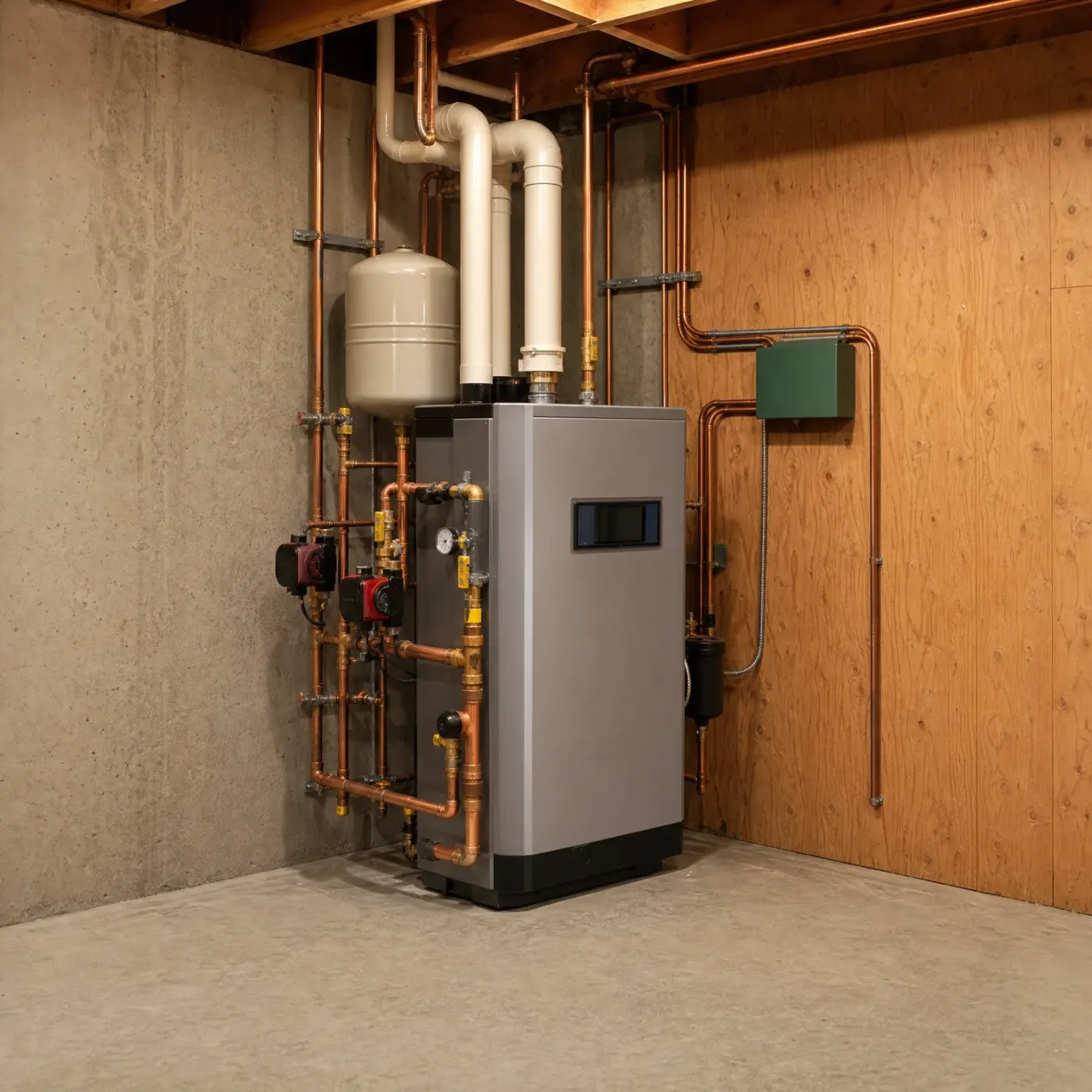
A gray floor-standing boiler in a basement corner with copper piping, two red circulator pumps, a beige expansion tank, white PVC vent pipes, concrete and plywood walls.

Running as it should

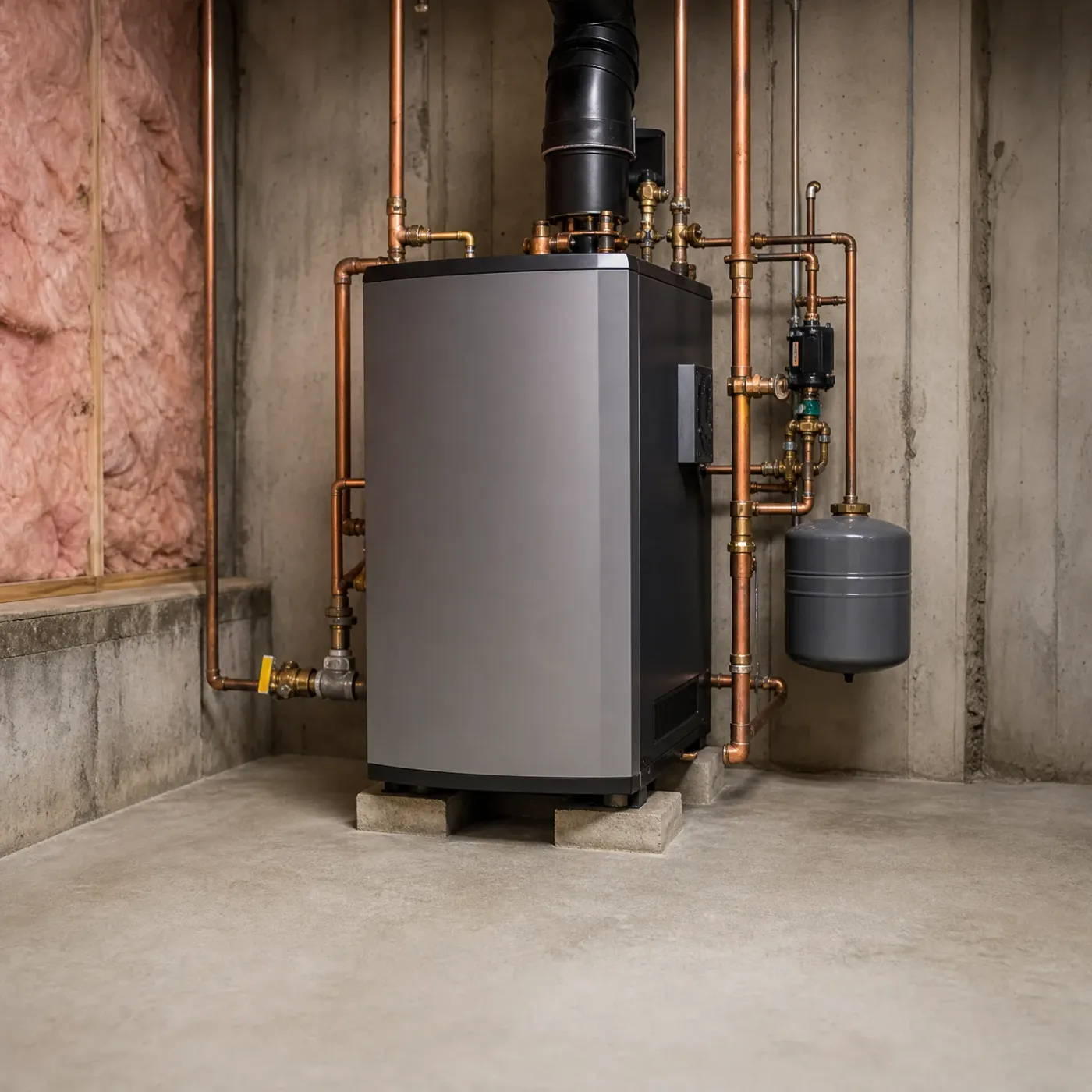
This is a boiler doing its job. Pressure holds steady, the burner fires and stays lit, and the pipes and fittings show no rust or weeping at the joints. A boiler in this shape can go years yet before it needs anything more than its regular service.
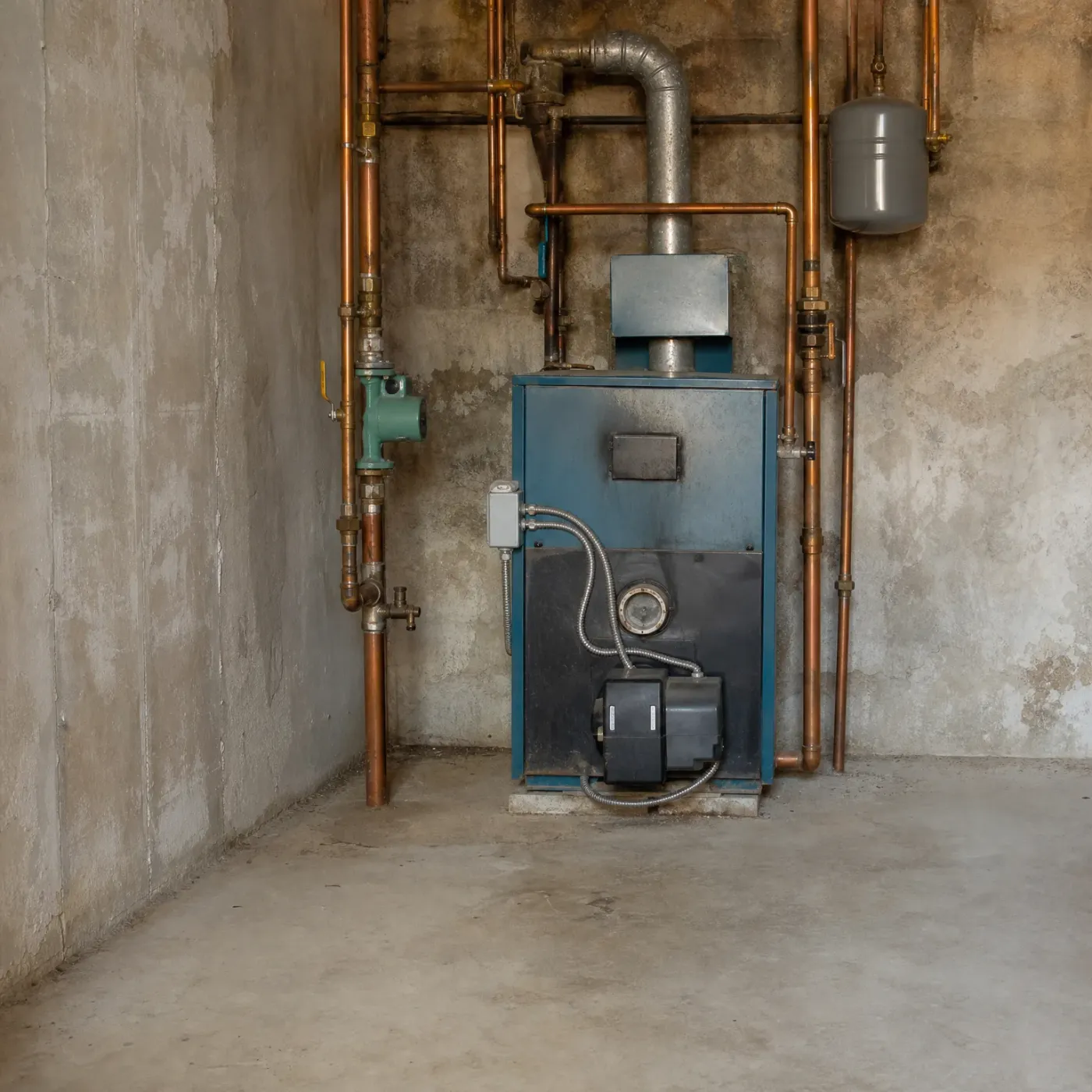
A blue residential boiler with a metal flue, pressure gauge and burner unit stands against a stained concrete basement wall, surrounded by copper pipes, a green circulator pump and a gray expansion tank.

On its way out

This is a boiler near the end. The bare concrete wall and aging fittings aren't the issue; what matters is a burner assembly that struggles to stay lit and fuel lines that have started to wear. Once a boiler needs this many repairs to limp along, replacing it costs less than fighting it.

What's going on with your boiler right now

Walk down to it and look. Soot around the burner door or on the flue means it's not burning clean. A puddle under the unit or green crust on a fitting means it's losing water somewhere. If you've reset the burner more than once this winter, or it's taking longer to get the living room warm than it used to, the boiler is telling you something. None of this fixes itself. A boiler that keeps losing pressure or won't hold a flame is working harder for less heat, and that shows up on your oil bill before anything else does. Left alone long enough, a leak at a fitting or a cracked section can mean water damage to whatever's stored near it.

A gray and black boiler unit sits on concrete blocks in a basement corner, connected to copper piping, valves, a black flue duct, and a gray expansion tank, with bare concrete walls and exposed pink insulation at left.
Clean copper runs, a steady circulator, and insulation doing its job mean this system still has years in it.
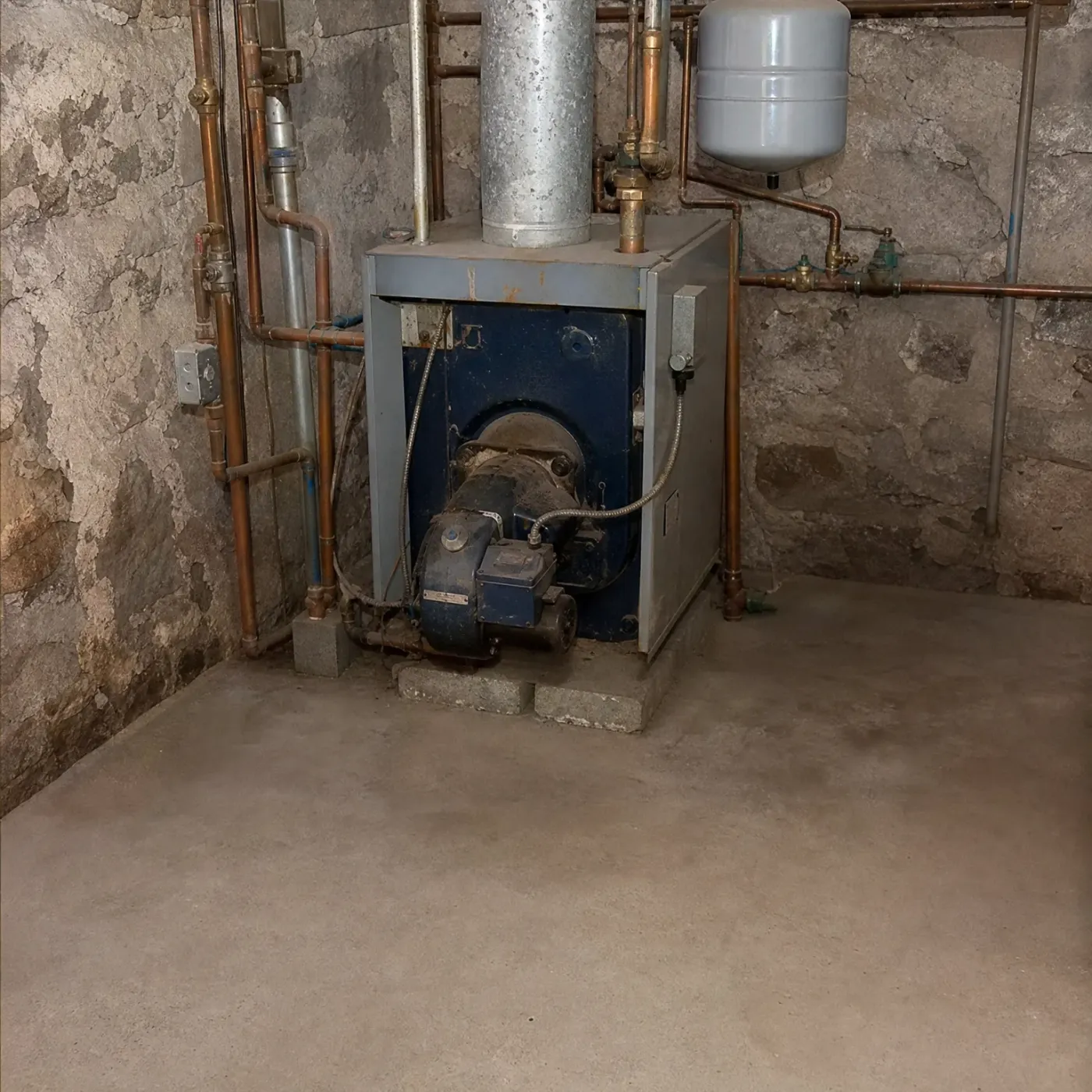
An oil-fired boiler with a blue and gray cabinet and burner sits on concrete blocks in a basement corner with stone walls, connected to copper pipes, a metal flue, and a wall-mounted expansion tank.
Blocks under the base, a galvanized flue, and an aging expansion tank point to a boiler nearing the end of its run.

How an oil boiler actually works

  • Oil boilers fire by pumping oil through a nozzle that turns it into a fine mist the igniter lights.
  • That burner cycles on and off to hold the aquastat setting, and more cycles per hour means more wear on the igniter and pump.
  • A one way valve called a check valve keeps hot water moving toward the baseboards instead of backing up into the tank.
  • Soot forms when the nozzle doesn't atomize the oil cleanly, and a sooted heat exchanger transfers less heat for the same oil burned.
  • The expansion tank gives hot water somewhere to go as it expands, and a waterlogged tank is why pressure keeps climbing.
  • Steel boilers rust from the inside out, so a unit can look fine on the jacket while the heat exchanger is already thinning.

The oil comes out of the nozzle as a fine mist, and the igniter sets it burning. That flame heats water in the heat exchanger, and a circulator pump pushes the hot water out to the baseboards or radiators. The aquastat is what decides when the burner fires and when it shuts off, and it's set to hold the water at a certain temperature. A boiler that's cycling on and off more than it used to is working harder to hold that setting, and every extra cycle is wear on the igniter and the oil pump.

A check valve keeps that hot water moving one direction, out to the heat and back, instead of drifting backward into the tank when the pump isn't running. If that valve sticks, the house heats unevenly even though the boiler itself is fine.

Soot is a sign the nozzle isn't atomizing the oil the way it should. Once soot builds up on the heat exchanger, it acts like a blanket. The boiler burns the same amount of oil but less of that heat gets into the water, so it runs longer to do the same job.

The expansion tank holds the extra volume as the water heats and expands. Once that tank waterlogs, there's nowhere for the expansion to go, and the pressure climbs instead. And because these are steel tanks, the rust starts on the inside, where you can't see it, which is why a boiler can look fine on the outside while the heat exchanger underneath is already thin.

A woman wrapped in a thick beige fleece blanket sits on a sofa with an open book on her lap, beside a lit table lamp, with a frost-covered window behind her.
A gray-haired woman in a cream knit sweater stands in a dimly lit kitchen at night, looking to her right, with a round loaf of bread in the foreground and a dark window and potted plant behind her.

Get your boiler to the right pro

A new oil boiler is a real expense, and that's probably why you've put off dealing with the old one this long. But Connecticut winters don't give a boiler much of a break, and a unit that's struggling in January isn't going to fix itself by March. Power here costs more than in most of the country, which is part of why oil heat still makes sense for a lot of houses, but that math only holds if the boiler is running efficiently. One that's short cycling or losing pressure is burning more oil to do the same job.

Finding someone to look at it means calling around, explaining the same symptoms to each one, then sitting with a stack of quotes trying to figure out who's actually worth hiring. That's the part worth skipping. Answer a few questions about your boiler and what you're seeing, and a contractor who installs these for a living reaches out to you directly, already knowing what you're dealing with.

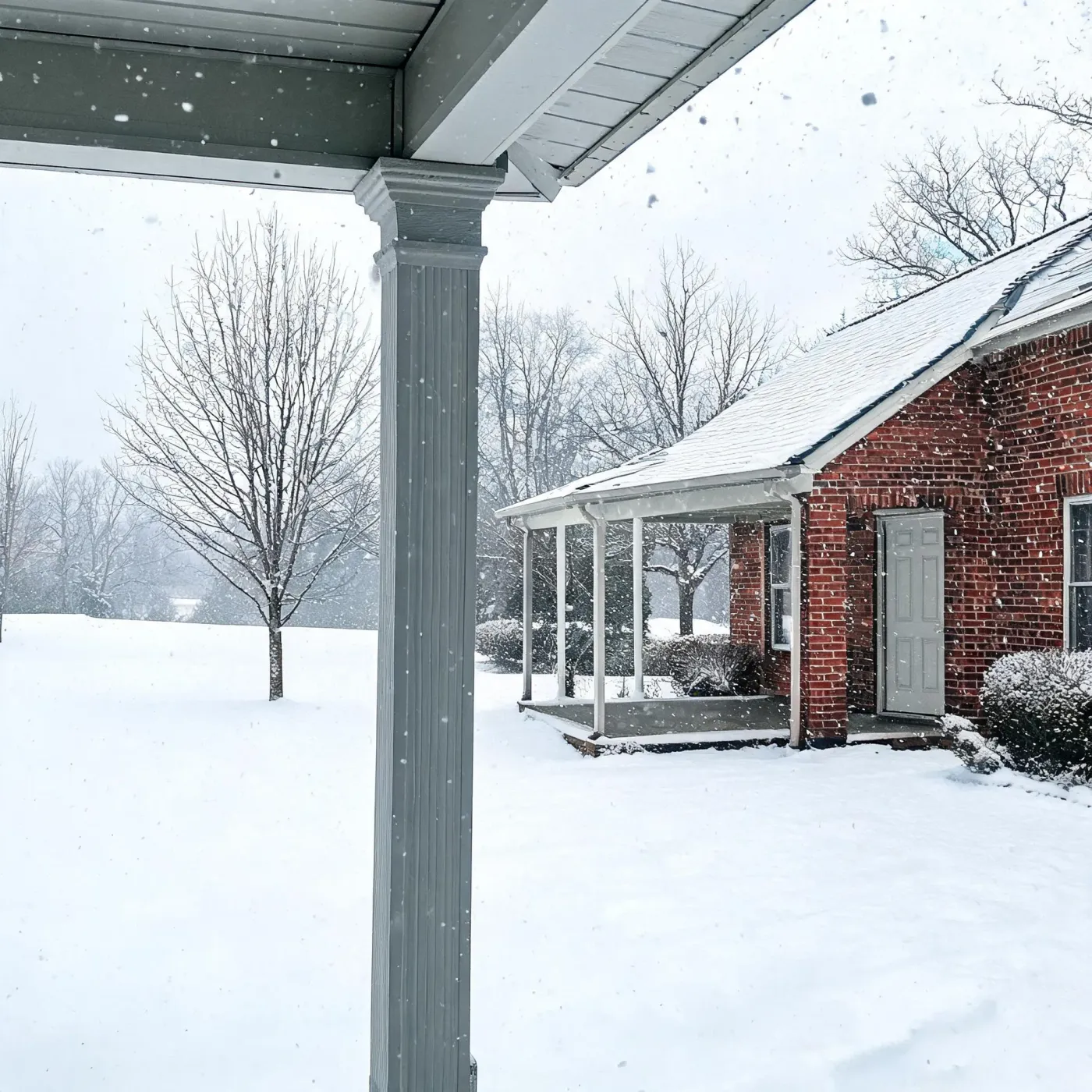
View from under a covered porch with a gray square column toward a red brick house with a white-columned porch and gray door, with falling snow covering the yard, roof, and bare trees.

Winter nights statewide average 23°F. That's the temperature your boiler is fighting while you sleep, and it doesn't let up for a night or two, it holds there for weeks. A boiler that's losing water or short-cycling has to work through all of it, and the cold is what exposes the weak spot. You'll notice it as rooms that don't quite get warm, a burner that clicks off and on more than it should, or an oil tank that empties faster than it used to. An aging boiler can keep pace with a mild stretch. A run of nights at 23°F is where it falls behind. Source: NOAA climate normals.

NOAA nClimDiv 1991-2020 county normals weighted by homes

Repair It or Replace It

Keep repairing

  • A new igniter, pump, or nozzle runs less than a full replacement and can buy a working boiler another winter.
  • If the tank, block, and piping show no rust or weeping, the parts failing now may be isolated rather than a sign of the whole unit going.
  • A boiler that's been on a steady maintenance schedule, cleaned and tuned each year, has more life left than one that hasn't.
  • Repair makes sense if this is the first real breakdown and the boiler hasn't been cycling or sooting up before now.
  • You avoid the upfront cost of a full install and the work of sizing and scheduling a new unit.

Replace now

  • Past 15 to 20 years, parts failing on an oil boiler usually aren't isolated, they're the rest of the unit catching up to its age.
  • A boiler that won't hold pressure or won't stay lit without a reset is failing at the job it has one job to do.
  • A new boiler won't lose heat through a corroded jacket or a flue that's no longer drafting the way it should.
  • Replacing now means you're not choosing a new boiler in the middle of a cold snap, when the old one finally quits for good.
  • Connecticut's oil and power costs make an inefficient boiler more expensive to keep running than a newer one would be.
  • You skip the guesswork of repairing a part today only to have the next one fail in a month.
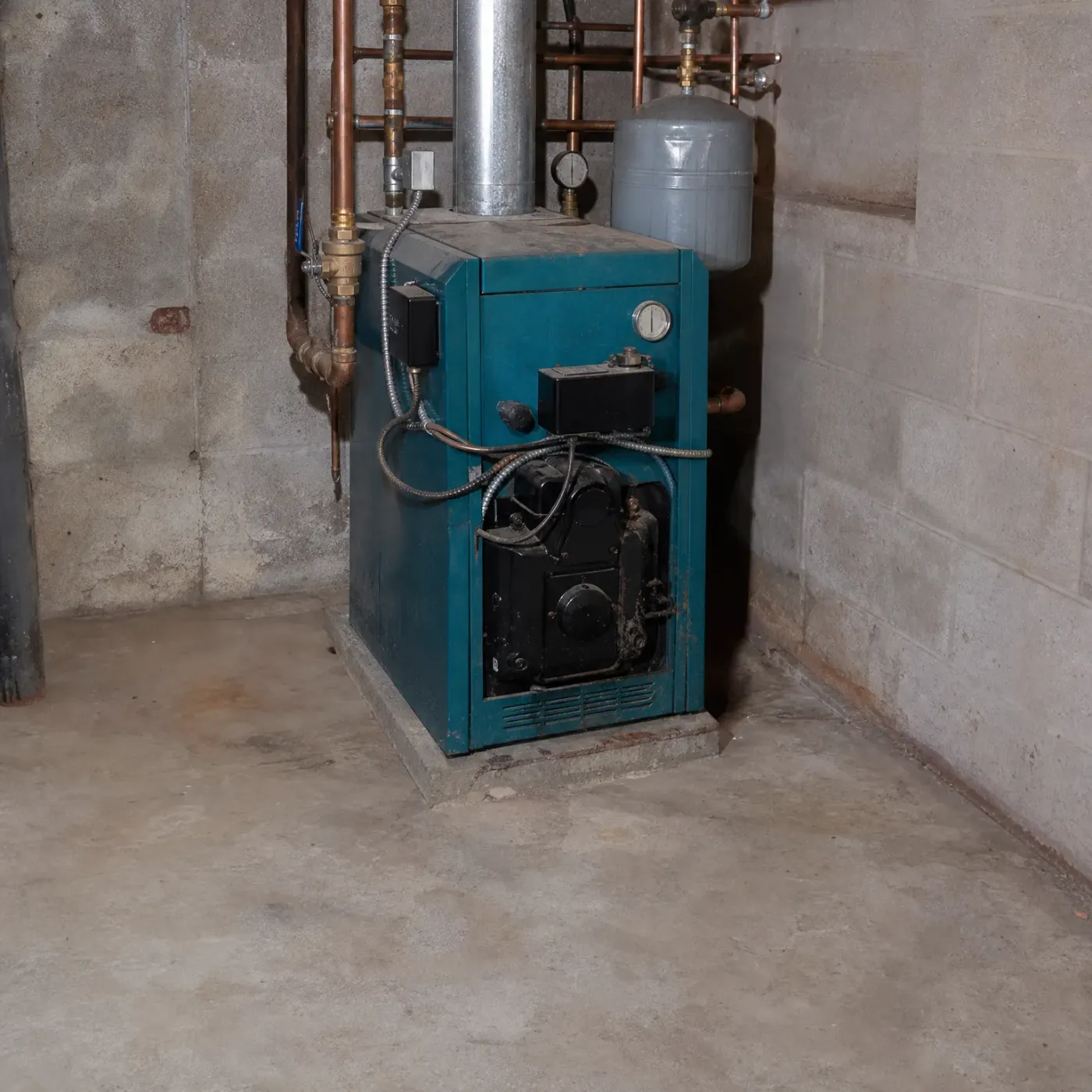
A teal boiler with a pressure gauge and black burner unit sits on a concrete pad in a basement corner, with copper pipes, a flue vent, and a gray expansion tank above against concrete block walls.
Before you get your boiler installation
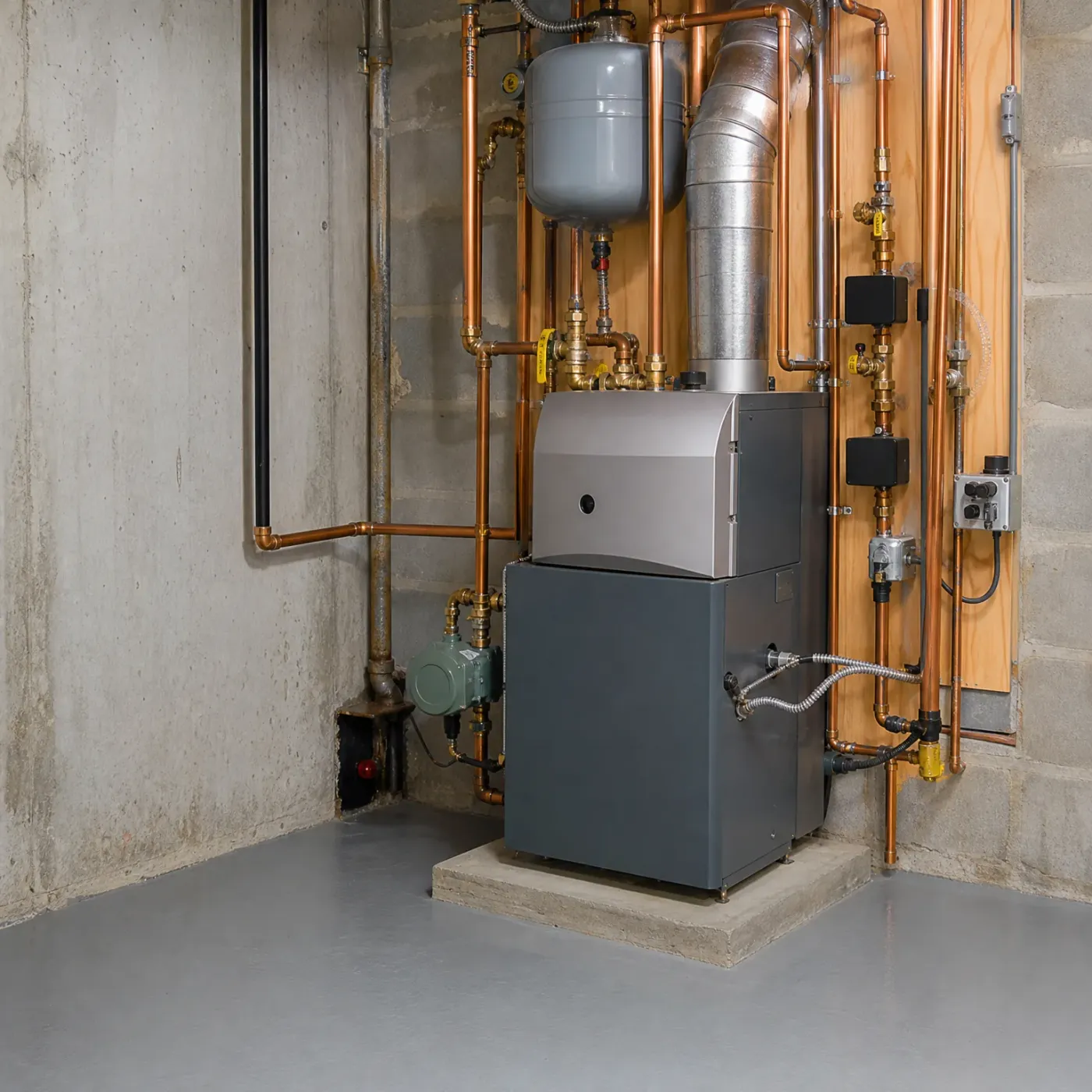
A gray residential boiler on a concrete pad in a basement corner, connected to copper piping, an expansion tank, circulator pumps and insulated flue ducting against concrete and plywood walls.
After you get your boiler installation
  1. Oil drops from the tank through a line to the burner pump.

  2. The pump forces oil through a nozzle at high pressure.

  3. The nozzle sprays it into a fine mist bound for the combustion chamber.

  4. The igniter sparks and lights that mist as it enters.

Winter nights average 23°F statewide

23°F is the overnight average, which means plenty of nights drop colder than that. A boiler that's already struggling to hold pressure or stay lit has to run harder and longer to keep up, right when your house needs it most.

NOAA nClimDiv 1991-2020 county normals weighted by homes

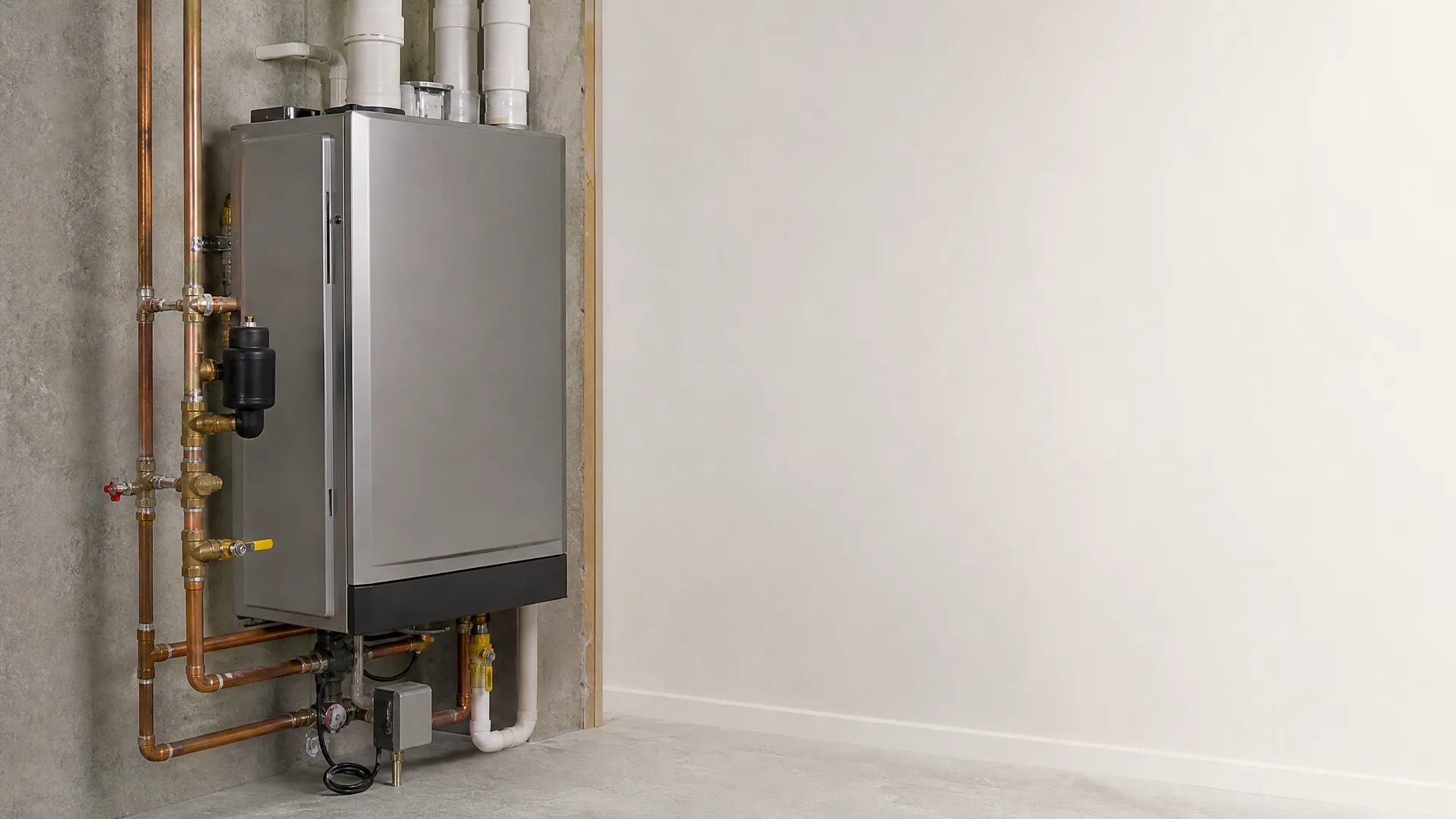
A wall-mounted grey boiler with copper pipework and white flue pipes installed against a concrete wall in an empty room with a plain pale wall to the right.

Living with the boiler you have

Every fall you're checking the oil gauge and hoping the burner starts clean. If it's held pressure and stayed lit without a reset, you top off the tank and move on. Maintenance stays simple: a yearly cleaning, an eye on the pipes for rust, maybe a nozzle swap if it starts sooting. You know this boiler's habits, and so far it's kept up with what January and February ask of it.

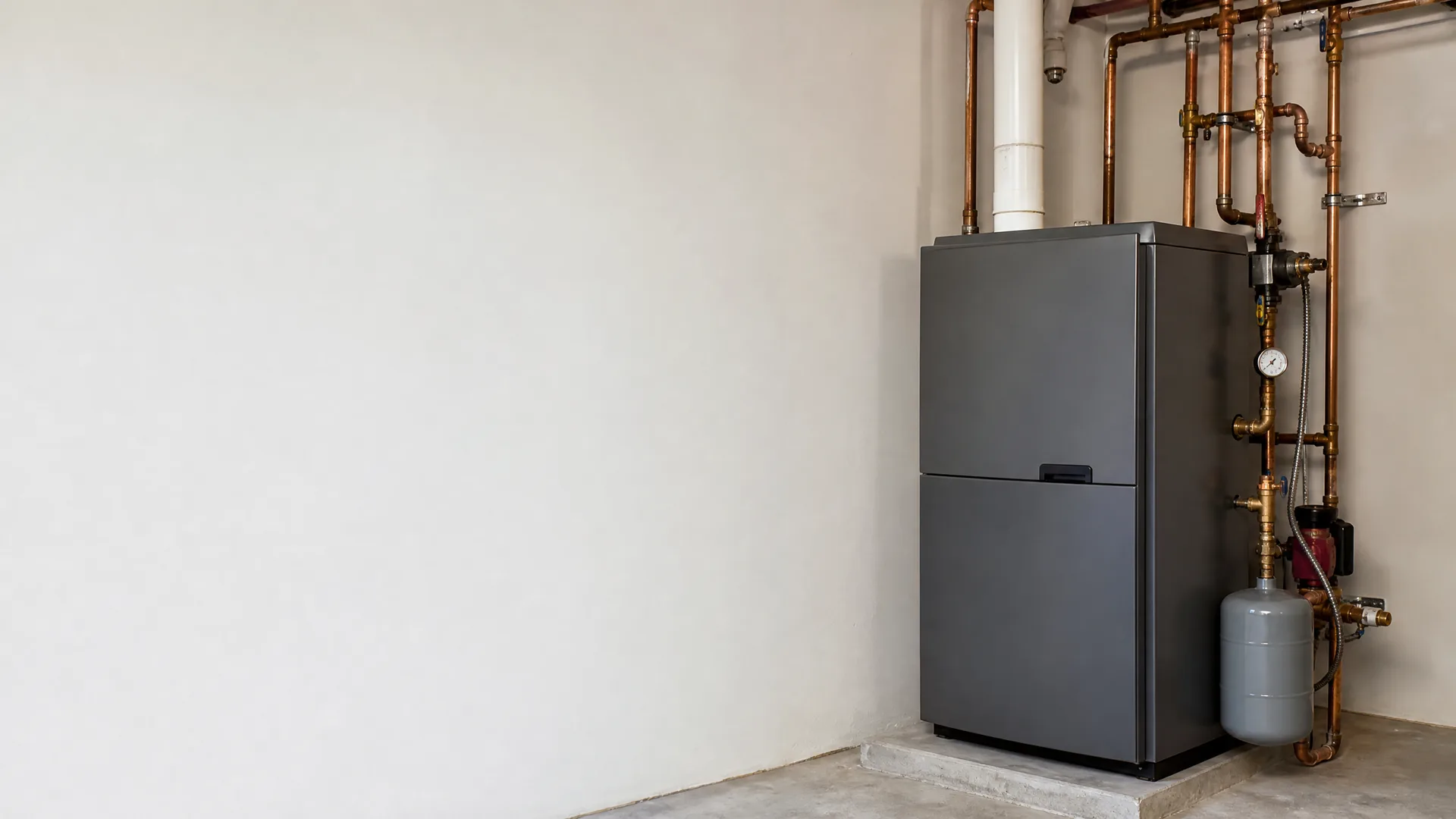
A dark grey boiler unit stands on a concrete pad against a plain light wall, connected to copper pipes, a pressure gauge, a pump and a grey expansion tank.

Getting quotes on a new one

Once you decide it's time, the work shifts to finding someone who'll size the new boiler right for your house and give you a number you can trust. That means calling a few contractors, walking each one through the same problems your old boiler has, and setting their quotes next to each other to see what's actually being compared. Getting matched with a contractor who already knows the job skips that part and gets a call started instead.

A smiling man in a denim shirt and white t-shirt stands in an open dark doorway of a stucco house, facing a woman with long brown hair and a green jacket seen from behind in the foreground.

Where that leaves you

The signs don't lie. A boiler that holds pressure, burns clean, and lights without a reset still has years in it, and the parts failing now might be isolated rather than a verdict on the whole unit. One that's leaking, sooting up, or needs a reset to run at all is telling you something different, and age in the 15 to 20 year range only adds to that case.

If you've gone through this and landed on replacement, the part left isn't the deciding. It's finding someone licensed to size the new boiler right and install it before the next cold stretch sets in, without you spending your evenings calling around, repeating the same description of what's wrong, and sorting through quotes that are hard to compare. Answer a few questions about your boiler and your house, and a contractor who handles this work in Connecticut will reach out to you directly.

Interior corner with a beige sofa holding a dark green and a light cushion and a textured throw, a potted small-leaved tree beside a white-framed window, and a dark shallow bowl on a wooden coffee table in the foreground.
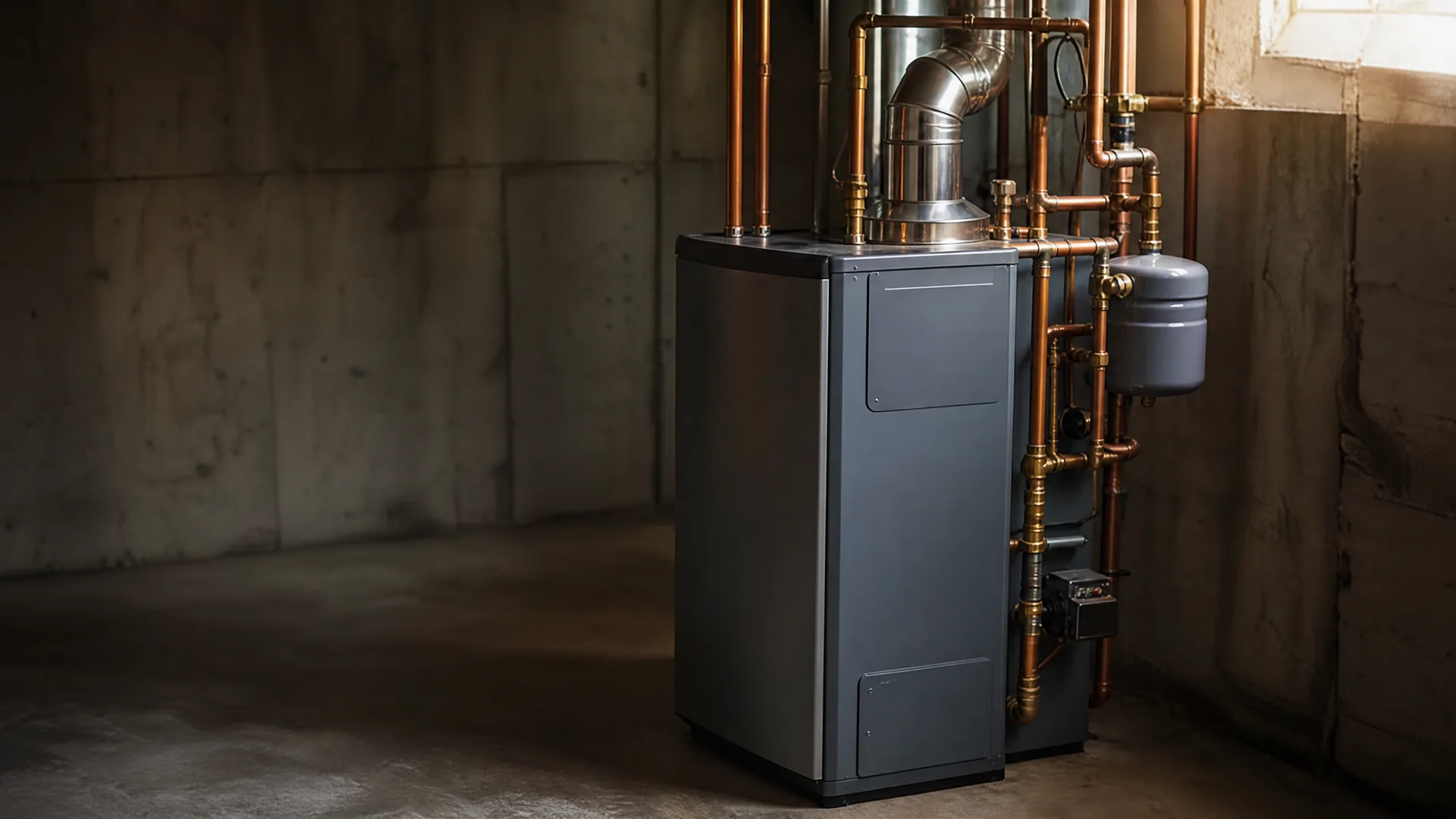
A gray boiler unit in a concrete-walled basement, connected to copper piping, a metal flue duct, and a wall-mounted expansion tank.

The right pro for this job

New system or replacementBoilerConnecticut
Step 1 of 2

What ZIP code is the job in?