
Boiler Installation in Connecticut
Homes in Connecticut are older than in 45 of the other 49 states.
Tell us about the job
Takes about a minute. No obligation.
- 23°Fwinter overnight low where people live
- 8 monthsof heat, October through May
- $16.36 per million Btuwhat homes paid for natural gas in 2024 (Btu means British thermal units, a measure of heat)
- 20%of homes lost power a day or more in 2024
Nothing unusual here for a boiler October through May, standard sizing works
- Heat needed most in Northwest Hills Planning Region, least in Greater Bridgeport Planning Region
- Winter nights average 23°F where people live
- Heat runs October through May
- Climate zone 5A across the state
- 20% of homes lost power a day or more in 2024


- A boiler sized correctly for your home means no cold rooms while the thermostat reads warm
- Piping and venting go in to current code, which gives an inspector less to flag later
- Short cycling eases up once a new circulator pump and expansion tank replace the worn ones
- No standing pilot to relight when it blows out, since modern ignition lights on demand
- Hauling out the old unit frees up the space it sat in and ends any risk of it leaking

Homes in Northwest Hills Planning Region need about 28% more heat over the year than homes in Greater Bridgeport Planning Region, where the state's heating need is lowest. That gap is climate, not the house itself, and a boiler sized for one end of that range isn't sized right for the other.
Standard sizing still works here, there's nothing about a boiler's job in Connecticut that calls for anything unusual. What changes is the load that sizing is based on. A contractor working from your region's heating need gets you equipment matched to where you actually live, not an average pulled from the whole state.
Install before October, not after the first cold night
Heat runs here from October through May, about eight months a year, more than 22 of the other 49 states see. Put a new boiler in before October and it starts its first winter on a normal night, not the coldest one of the year. September is the month to get it done, while there's no rush and no cold rooms waiting on the install.


2 months of cooling, July through August
8 months of heat, October through May

Connecticut sees real severe weather. Counting the counties where people live, the state logged about 216 severe weather events between 2015 and 2024, more than most other states over that stretch.
Hail here has reached 2.5 inches across, and wind has gusted as high as 67 mph. A boiler installed indoors doesn't take that kind of hit directly, but a power outage from a storm like that will stop it cold. A gas boiler with no standing pilot still needs electricity to run its controls and circulator pump, so no power means no heat regardless of how the burner is lit.
Tornadoes have touched down here too, though the strongest on record between 2015 and 2024 rated just EF1.
Outages are worth planning around. A fifth of Connecticut households went at least 24 hours without power in 2024, a higher share than in most other states with a figure. If the boiler is the only source of heat in the house, a battery backup or a plan for an extended outage is worth asking the installer about before winter, not during one.
What does a boiler in Connecticut face?
How cold do winter nights get?
23°Faverage overnight low where people live
North Dakota4°F
Hawaii65°F
How many months does the heat run?
8 monthsof heating a year
Hawaii0 months
Alaska12 months
What does natural gas cost?
$16.36per million Btu, what homes paid in 2024
Montana$7.77
Hawaii$53.25
How often do storms hit?
216severe weather events per county from 2015 to 2024
Alaska5
Wyoming1,057
How many homes lost power for a day or more?
20%of homes in 2024
Arizona7%
Maine54%
What to ask when you're comparing quotes
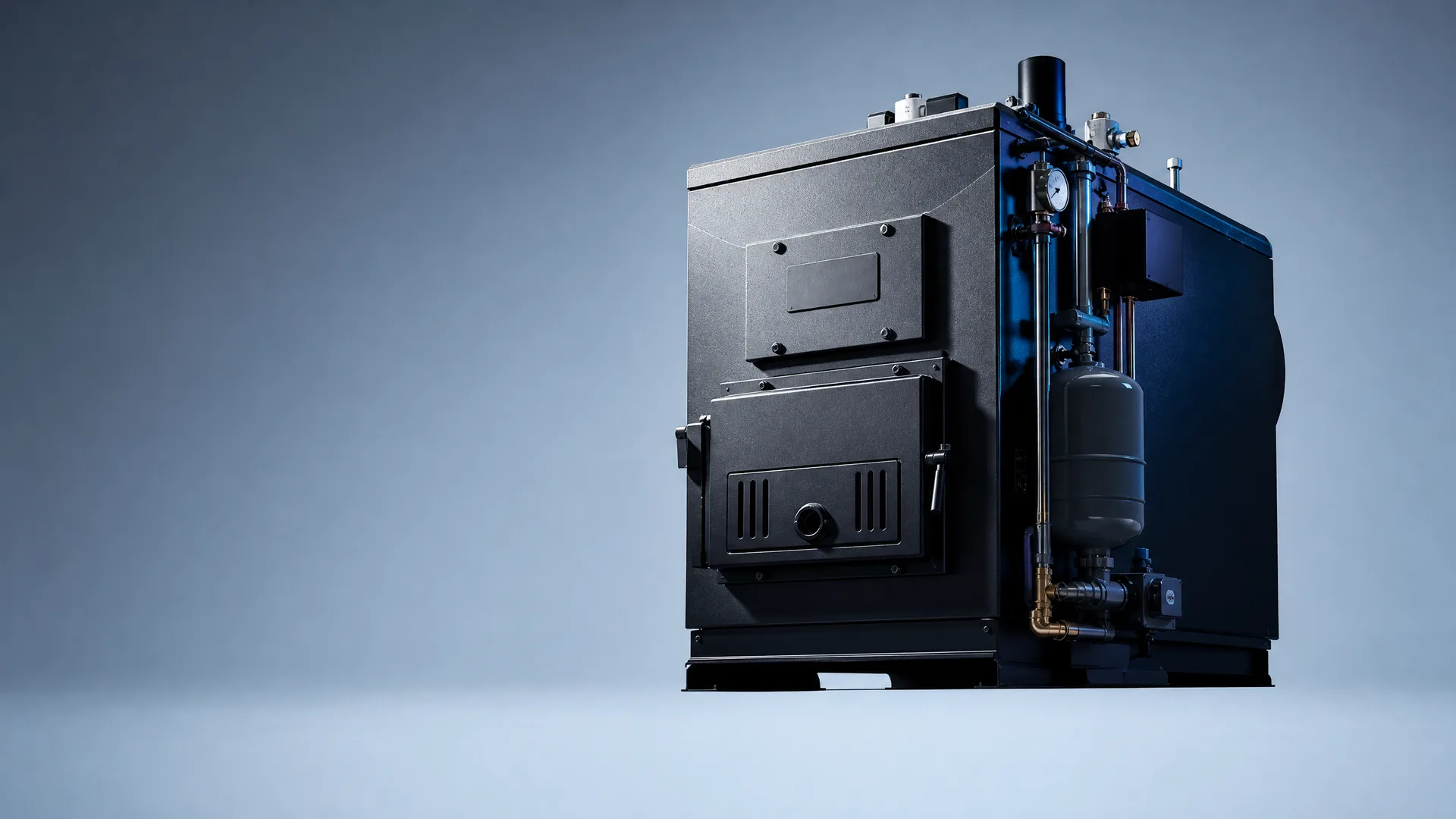
Ask each installer to walk through the load calculation with you, not just hand over a number. Find out what input and output rating they landed on and why. Ask whether the boiler is standard efficiency with a draft hood or a condensing model that vents with PVC (rigid plastic pipe) pipe, since that changes where it can sit and how the venting runs. Ask whether the circulator pump is sized for the piping already in the house, not just swapped in to match the old one. If a new expansion tank is in the quote, ask what was wrong with the old one. Ask what happens to the near-boiler piping, since a rushed job there tends to show up later as noise or rooms that heat unevenly. Ask where the vent terminates. Ask whether the boiler is single stage or modulating, and whether the thermostat already in the house will work with it or needs to be swapped too.
What the efficiency number is actually telling you
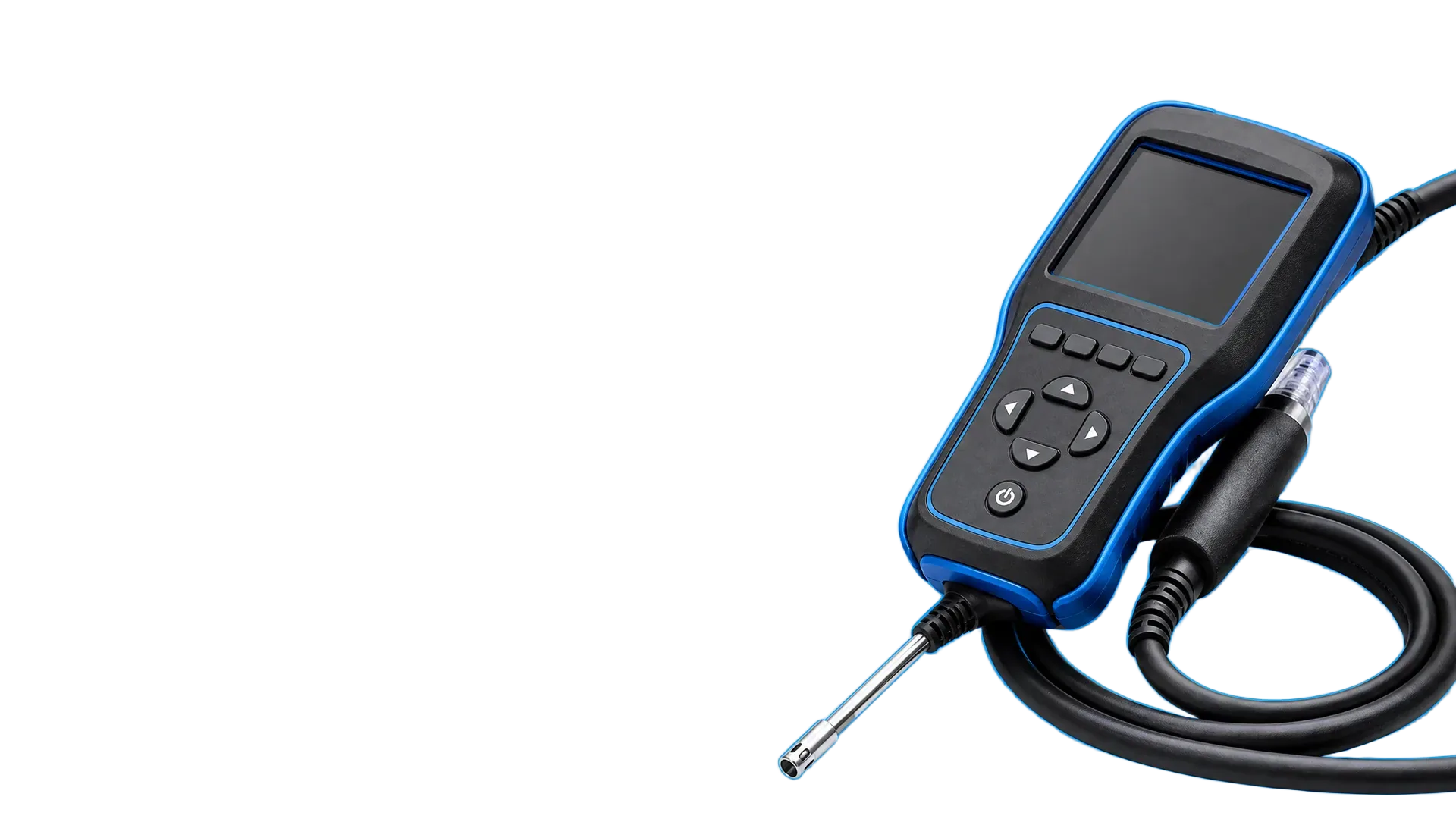
The rating on the label tells you how much of the fuel burning inside actually turns into heat for the house, and how much goes out the flue. A boiler rated higher wastes less. For a standard efficiency boiler with a draft hood, some heat always leaves with the exhaust, because the design counts on a steady draft pulling combustion gas out. A condensing boiler squeezes more heat out of that same exhaust before it vents, which is why its flue gas runs cool enough to use plastic pipe instead of metal. Neither type changes how warm the house feels. A correctly sized low efficiency boiler and a correctly sized high efficiency one both heat the same rooms to the same temperature. The difference shows up in how much fuel each one burns doing it over a full season. That rating also only holds if the boiler is set up right. Venting that is undersized, a heat exchanger that is dirty, or piping that makes the burner cycle on and off too fast will all pull real-world performance below what the label promises.
An old house changes what the new boiler connects to
Half the homes in Connecticut were built in 1967 or earlier, and the state has older housing than all but a few others. An old house usually means old radiation, baseboard or cast iron radiators sized by someone working off the walls and windows that existed back then. If those haven't changed, the heat loss they were sized against probably hasn't either, which is useful information for whoever is running the load calculation now. What's less certain is what's between the boiler and those radiators. Pipe sizing and layout from that era don't always match what a new circulator pump or a modulating boiler expects, and that's something a contractor has to look at in the house, not assume from its age.
Heat runs here from October through May, so a boiler sized wrong stays wrong most of the year.
Tell us about the job
Takes about a minute. No obligation.
Filling out the form connects you with a licensed Connecticut installer who can run the load calculation for your address.