Oil heat is the norm here
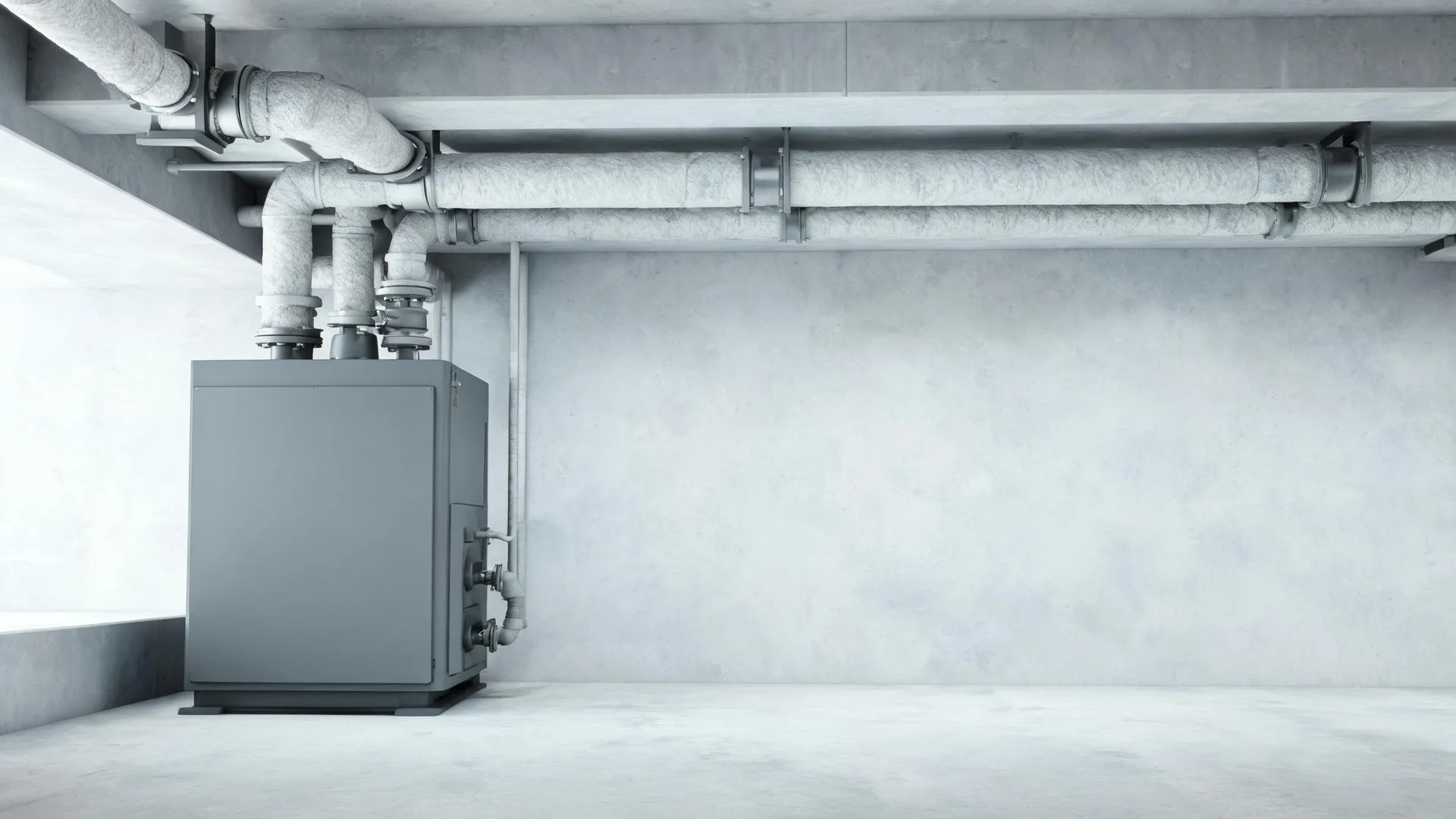
More than half the homes in this part of Connecticut heat with fuel oil or kerosene. A boiler built for oil is a known quantity for any contractor working this area.
Takes about a minute. No obligation.
More than half the homes in this part of Connecticut heat with fuel oil or kerosene. A boiler built for oil is a known quantity for any contractor working this area.
If your house already has an oil-fired boiler, replacing it with another is usually the most direct path. The flue, the oil line and the tank are already there to work with.
A boiler sized for this house doesn't need to be bigger because of anything in Middletown.
Standard sizing and efficiency are the right call here, nothing about this job calls for more.




A standard boiler, sized the usual way for the square footage and the layout, is the right call for a Middletown install. Nothing about this city pushes you toward a bigger unit or a higher-efficiency model than you'd put in anywhere else in Connecticut. Oil ran $21.64 per million Btu across the state in 2024, and that number holds whether the boiler is sized right or oversized for the house. A unit that's too big for the load doesn't heat any better. It just cycles more and wears sooner. Your contractor should size it to the house, not to the fuel price or anything particular about the area.
Eight months of heat a year, down to 23°F on a winter night, is well within what a standard boiler is built to handle. There's no case here for upsizing or paying more for a higher tier than the house calls for. Get sized right and get it in before the cold settles in.
Find a contractorA new boiler dropped onto old piping doesn't automatically perform the way the brochure says. Ask whether the near-boiler piping gets replaced to match what the new unit needs, including the primary loop and any air separator. A boiler is only as good as the piping feeding it.
A boiler installation needs a permit and an inspection, and the contractor should be the one pulling it, not leaving it to you. Ask to see the license number and ask who handles the inspection sign-off. If a quote comes in low with no mention of a permit, find out why before you sign anything.
The efficiency rating on a boiler, the AFUE number, tells you how much of the fuel it burns turns into heat for the house versus how much goes out the flue. A higher number means less waste per gallon burned. It does not mean the boiler heats the house faster or keeps it warmer. A correctly sized standard boiler and an oversized high-efficiency one can end up costing about the same to run, because sizing affects how often the thing cycles and a rating only affects what happens during the burn. Ask your contractor to show you the rating on the unit they're quoting, and ask why that one, not a higher or lower tier. The answer should be about your house and your old piping, not about a number on a brochure.
Installation day starts with the old boiler coming out, along with however much of the near-boiler piping isn't getting reused. That part takes longer than people expect, especially if the old unit was soldered into a tight space. Once it's out, the new boiler gets set, leveled, and the piping gets built around it, the supply and return lines, the air separator, the expansion tank. The flue connection gets checked next, because a boiler venting into a chimney built for an old oil burner needs that path confirmed clear and correctly sized for the new unit. Electrical and controls come after that, the aquastat, the circulator wiring, any zone valves. The system gets filled, purged of air, and fired up, and a contractor worth hiring will let it run through a full cycle and check the burn before calling it done.