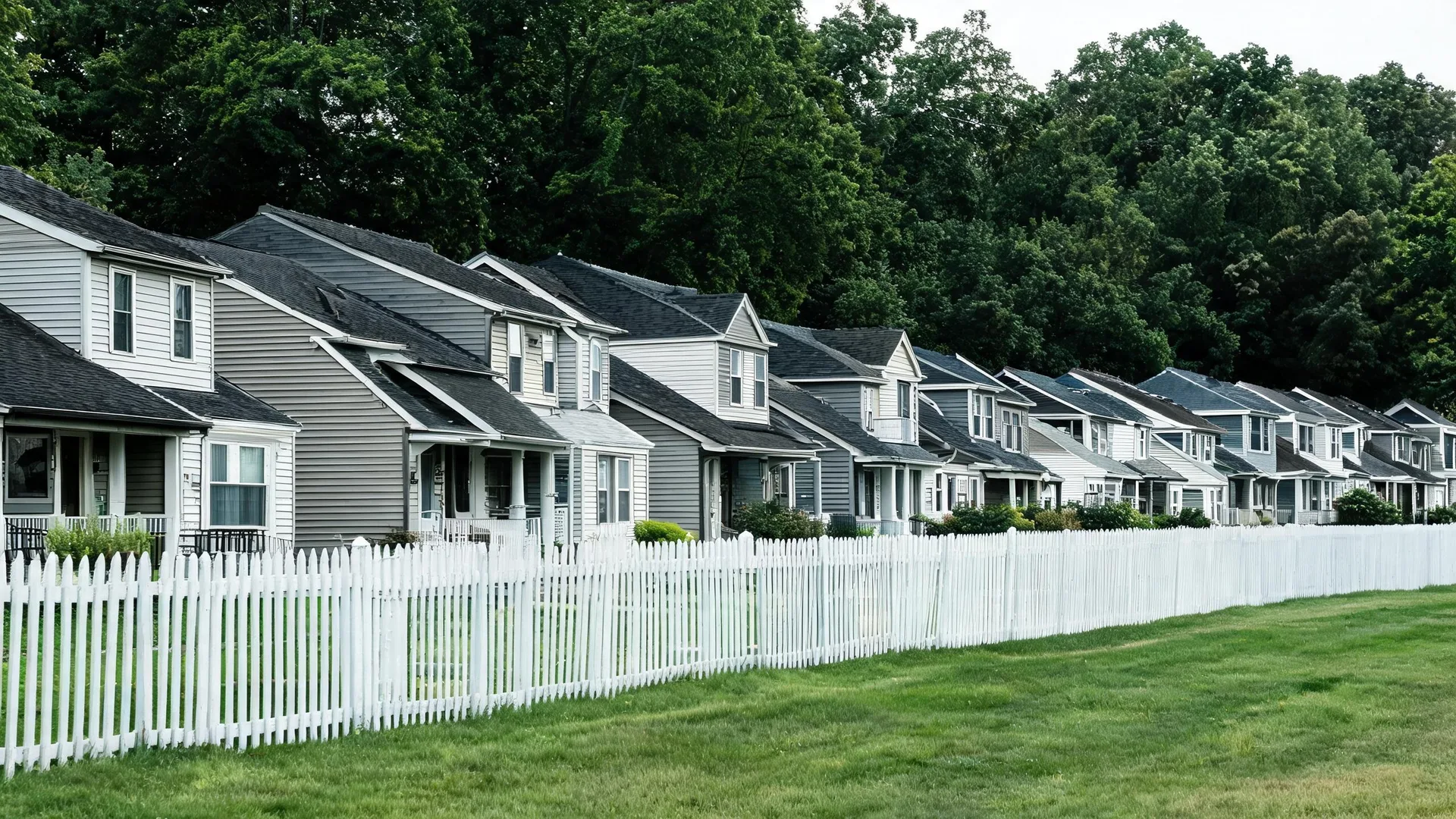
A row of similar gray and white vinyl-sided houses behind a long white picket fence, with mown grass in the foreground and dense deciduous trees behind.

Boiler Installation in New Haven, CT

Tell us about the job

Takes about a minute. No obligation.

New system or replacementBoilerSouth Central Connecticut Planning Region, CT
Step 1 of 2

What ZIP code is the job in?

Gas is the common fuel here

Utility gas heats 46.1% of occupied homes in South Central Connecticut Planning Region, more than any other fuel. Oil or kerosene comes next at 29.8%. If your current boiler runs on gas, that puts you in the majority here, not the exception.


What that means for your install

A gas boiler replacement usually means connecting to a line that is already there, sized for the job. If your home runs on oil instead, the contractor will need to look at the tank and fuel line as part of the quote, since that setup works differently.

The old boiler has to come out before the new one goes in.

Removing it means draining the system, disconnecting the fuel line, and venting it out, usually the same day the new unit goes in.

Half the homes in this region were built by 1964, and the boiler going in has to work with that house, not a new one

Half the homes here were built by 1964
Heat runs October through May
Winter nights average 25°F
A standard boiler fits this jobGas ran $16.36 per million Btu here in 2024, and a standard boiler is sized for that cost

Heat starts in October here and runs through May, eight months straight once it begins. A boiler replacement takes the system offline for part of a day, and that is a much easier thing to schedule in September than once you need the heat on. Wait too long and you're calling a contractor the same week the house turns cold, choosing from whoever has an opening. Get it done in September and you set the date, the contractor has time to order the right unit for your home, and you're not standing in a cold house while it happens.

The right size for this house is a standard one

A standard boiler, sized the normal way, is built to run the same as any other year, power outage or not. 20% of Connecticut households lost power for 24 hours or more in 2024, and that's a grid question, not a boiler question. There's no reason to size up or pay more for this install than the job calls for.

Find a contractor

Sizing comes from a heat loss calculation, not the old boiler's rating

A contractor works out how much heat the house actually loses on the coldest day, room by room, based on wall area, window area, and insulation. The old boiler's rating only tells you what someone installed before, and boilers were oversized often enough that copying the number isn't a safe shortcut.

Oversized and undersized both cause problems, just different ones

A boiler that's too big heats the house fast, shuts off, and starts again soon after. That short cycling wears the burner and the ignition parts faster than steady runtime would. A boiler that's too small runs constantly in cold weather and still can't hold the temperature you set. The right size runs in longer, steadier stretches and wears the way it's supposed to.

Once you're comparing quotes, ask what each contractor is actually proposing, not just the price. Ask what size they're putting in and whether that came from a heat loss calculation or from matching the old boiler. Ask whether the quote includes venting changes, since a new boiler sometimes needs different venting than the one coming out. Ask what happens to the near-boiler piping, the pipes and valves right at the unit, because reusing old piping on a new boiler isn't always a straight swap. Ask what the warranty covers on the boiler itself, and ask separately what covers the labor to install it. A contractor who answers these without pausing has done this enough times to know the job before they start it.

Installation day starts with the old boiler coming out and ends with the new one running, tested, and left to prove itself before anyone packs up. Once the new unit is set and piped in, the contractor fires it and checks the burner flame, since a flame that's lazy or uneven points to a combustion air or gas pressure problem that needs fixing before the job is done. They'll check the pressure and temperature settings against what the system calls for, bleed air out of the lines, and watch for leaks at every joint they touched. The venting gets checked too, draft going the right way, nothing spilling back into the room. None of this takes long on a boiler that's sized and piped correctly. It's the last check, not an extra step, and a contractor who skips it is leaving the proof of a good install undone.