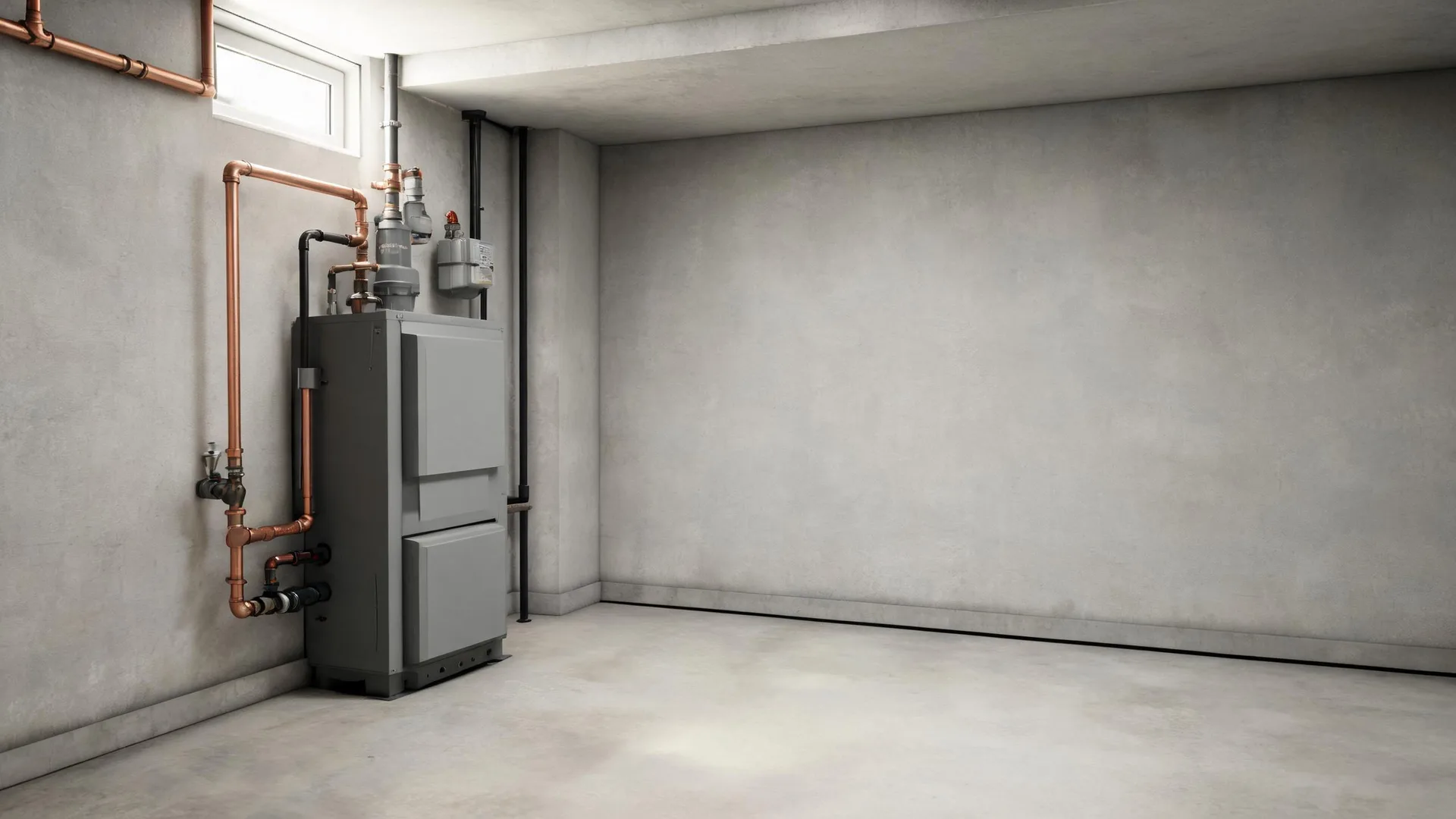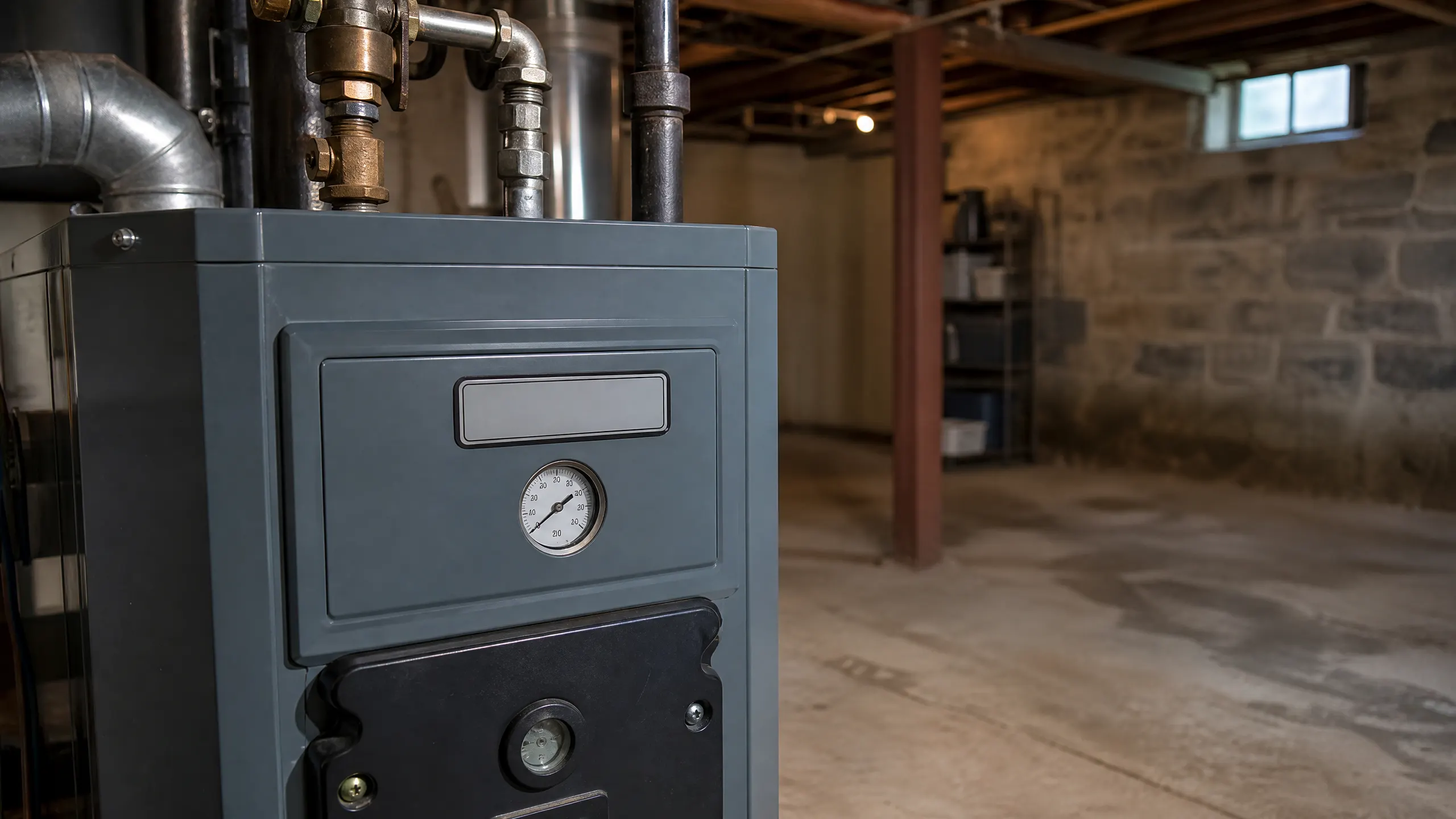
A gray residential boiler with brass pipe connections and pressure gauges installed in an unfinished stone-walled basement.

Boiler Installation in Norwich, CT

Tell us about the job

Takes about a minute. No obligation.

New system or replacementBoilerSoutheastern Connecticut Planning Region, CT
Step 1 of 2

What ZIP code is the job in?

Oil heats most homes here

Fuel oil or kerosene heats 48.6% of occupied homes in the Southeastern Connecticut Planning Region, more than any other fuel. Utility gas reaches 16.3%. If your house already has an oil boiler, replacing it with another oil boiler is the straightforward path.


What this means for the job

An oil system needs a fuel tank and supply line, so a contractor sizing your new boiler has to check the tank's condition along with the boiler itself. If your home runs on gas or electric instead, that changes what the installation involves, since those fuels are far less common here.

Heat goes on in October here and runs through May.

Have a new boiler in before October, so you're not without heat waiting on one to be installed.

Half the homes here were built by 1969, and a boiler going into one has to fit a house that old

Half the homes here were built by 1969
Heat runs October through May
Winter nights average 24°F
A standard boiler is right for this regionWinter lows here average 24°F and heat runs eight months a year. Nothing about that calls for oversizing.

A standard boiler sized to your house is the right call here. Nothing about Norwich pushes you toward a bigger unit or a higher efficiency tier than what the house needs. Power outages happen here. 20% of Connecticut households went at least a day without power in 2024. It's worth asking a contractor whether the boiler needs electricity to run and what happens to it when the power drops. That's a question about the specific boiler, not a reason to size up. Beyond that, this is a straightforward sizing job. Match the boiler to the house.

Get the right size in before you need it

Fuel oil ran $21.64 per million Btu in Connecticut last year. That number moves with the market whether your boiler is new or old. A standard boiler sized right for your house is what keeps that cost down, and getting it in before heat season starts means you're not choosing a system in a hurry.

Find a contractor

The old boiler gets drained and disconnected

A contractor shuts off the fuel supply and water lines, drains the system, and disconnects the venting before anything comes out. If it's an oil boiler, the supply line from the tank gets capped off too. None of this touches the new install until the old unit is fully out of the way.

Hauling it out is part of the job

A boiler is heavy cast iron or steel, and it doesn't come apart easily. It gets disconnected, broken down enough to move, and carried out, usually through whatever door it first came in through. Getting the old one clear of the mechanical room is what makes room for the new one to go in square and level.

The efficiency rating on a boiler, the AFUE number, tells you how much of the fuel it burns turns into heat for the house and how much goes out the flue. A higher rating means less waste, not more heat and not a bigger house covered. That part comes down to sizing. A boiler rated higher usually costs more up front, and the gain shows up slowly, winter after winter, in the fuel it doesn't waste. The more months a boiler runs, the more that difference adds up. A correctly sized standard boiler with a modest rating still heats the house fine. What the rating changes is what you spend keeping it running, not whether it does the job.

Setting the new boiler in place comes first, and it has to go in level, since a unit sitting even slightly off can cause noise or uneven water flow later. From there a contractor connects the water lines, the fuel supply, and the venting, then pressure tests the system before any fire is lit. The electrical connections come next, powering the controls and any pumps the system uses. Once everything is hooked up, the system gets filled with water and bled of air, because trapped air in the lines is what causes cold spots and banging pipes down the road. Only after all that does the contractor fire it up, checking the flame, the draft, and the controls while it runs through a full cycle. A boiler isn't something you turn on and walk away from the same day. It gets watched running before the job is called done.