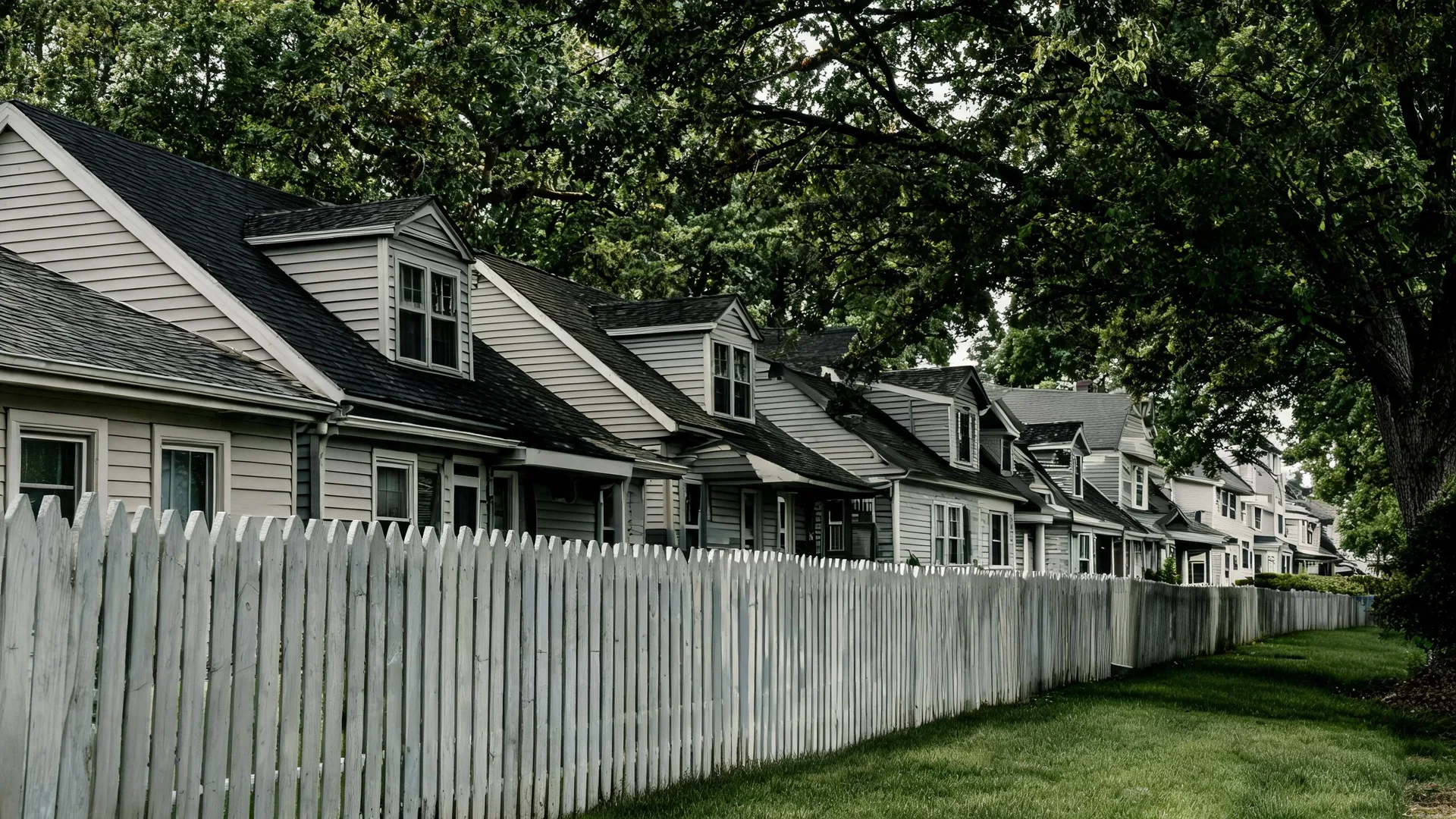




A weathered wooden picket fence runs along a grass strip in front of a row of similar gabled houses with dormer windows and dark shingled roofs, shaded by large leafy trees.

Furnace Repair in Hartford, CT

Tell us about the job

Takes about a minute. No obligation.

RepairFurnace or heatingCapitol Planning Region, CT
Step 1 of 2

What ZIP code is the job in?

Furnaces in this part of Connecticut start working in October and keep going through May. The first cold snap is when a weak igniter or a failing flame sensor finally gives out. The part was marginal all through the warm months, sitting unused, and the first real demand on it is what finishes it off. If your furnace is acting up in September or early October, that's not a coincidence. It's the system telling you something was already wrong before you turned the heat on.

8 months
October through May, your furnace is on duty
21°F
the average winter night it heats against
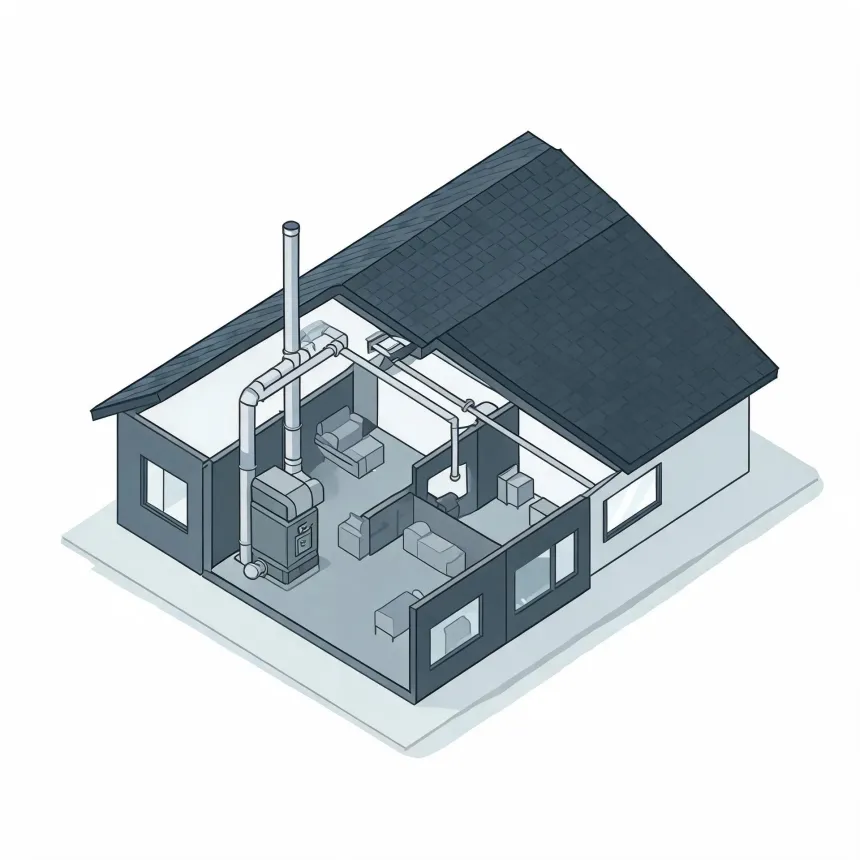
Isometric cutaway illustration of a single-story house showing interior rooms with furniture, a furnace unit connected to ducting and vertical flue pipes running through the roof.
Your furnace works hardest from November through March.

NOAA 1991–2020 monthly normals

An igniter wears down a little every time it fires, not all at once.

A furnace that sat unused all summer can still fail the moment it's asked to run for hours straight.

Half the homes here were built by 1966, and furnaces age with the house

Half the homes here were built by 1966
Heat runs October through May
Winter nights average 21°F

Nothing about Hartford makes a furnace fail in some unusual way. The igniter or flame sensor that gives out in the first cold snap was already weak, and that's true whether the house is here or somewhere milder. What's different here is the cost of running a furnace that isn't fixed right. Connecticut homes paid $16.36 per million Btu for natural gas in 2024, one of the higher rates in the country, so a furnace that's short-cycling or limping along on a bad part burns through more money here than it would somewhere cheaper. That's reason enough to get the actual cause found and fixed, not patched. The problem is the usual one, and the usual fix works.

The usual problem has a usual fix

A furnace acting up in Hartford is almost always the usual cause. A worn igniter, a failing flame sensor, a clogged filter. None of that gets better by waiting, and a furnace that's short-cycling is burning more gas to do less heating. Get the real cause found and fixed.

Find a contractor
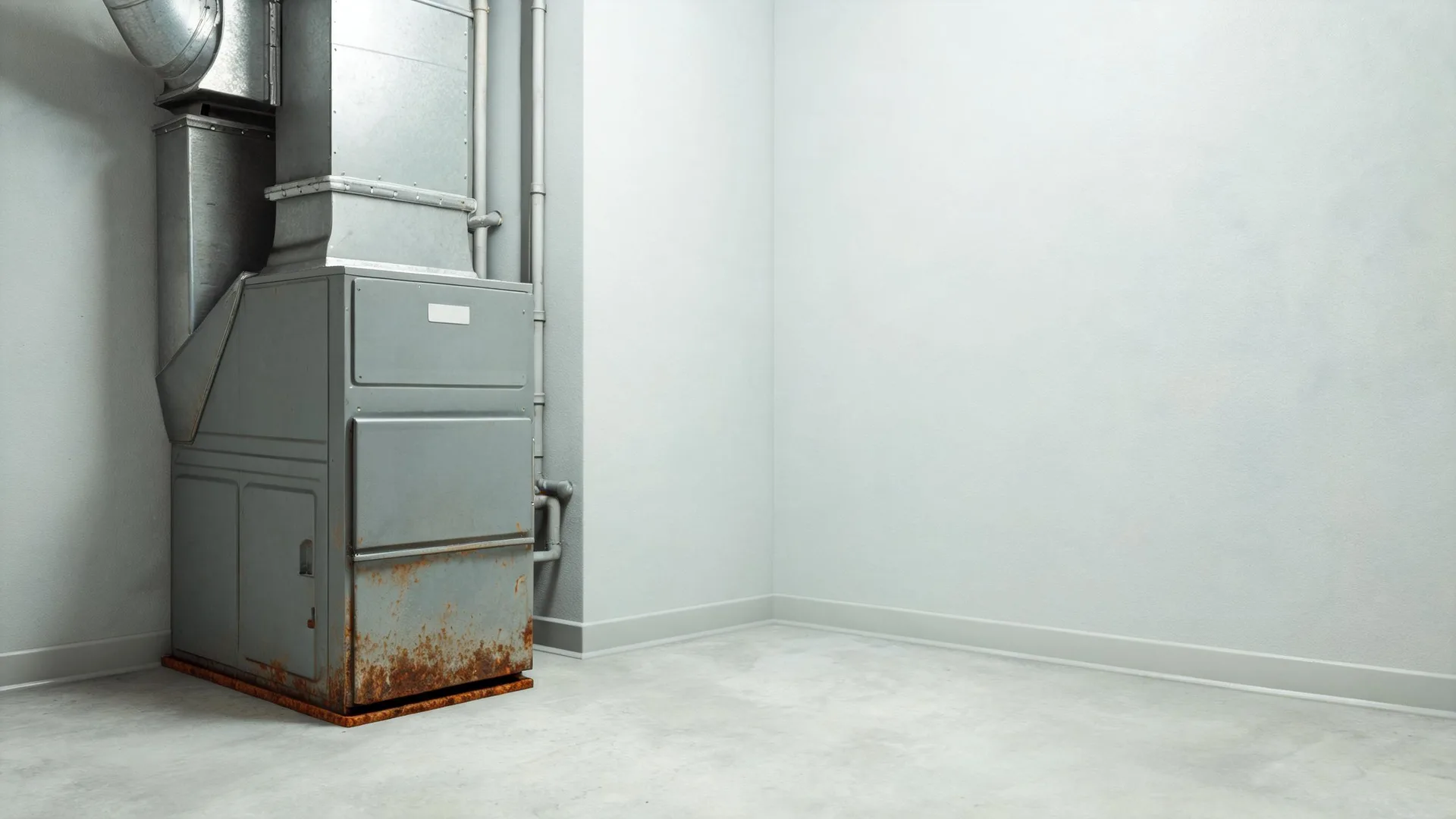
A gray residential gas furnace installed in an unfinished basement, connected to sheet-metal ductwork and PVC pipes.

Ask how old it is before you fix it

If your furnace came with the house, ask the contractor its age before they fix what's broken. A furnace from around the time half these homes were built has had its years of runtime already. That changes the question. It's not just what's wrong with it now, it's how many more winters it has in it. Find out which one you're dealing with before you decide what to do about this repair.

The sounds tell you where to look

A furnace that clicks and clicks without catching has an ignition problem, either the igniter or the flame sensor. A bang when it starts means gas is building up before it lights, which points to the igniter or the burners. A screech or rattle from the blower usually means the motor or its bearings. A furnace that hums but never kicks on could be the thermostat, the control board, or no power getting to it at all.

Short cycles mean something is cutting it off early

A furnace that turns on and off every few minutes isn't completing a heating cycle, something is shutting it down before it should. A dirty filter can choke airflow until the furnace overheats and trips its limit switch. A cracked heat exchanger can do the same thing. Either way, the furnace is working harder and heating less, and that pattern gets worse the longer it runs that way.

An unfinished basement interior featuring a large metal furnace unit, exposed ceiling joists, concrete walls, and scattered boxes and cables on the floor.

A new furnace would cut about $160 a year off heating for a typical Hartford home.

  • A new high-efficiency furnace$660 a year
  • An older furnace$820 a year

Estimates for a typical Hartford home, compared with an older unit built to the previous federal minimum, from EIA household energy data, Connecticut fuel prices and NOAA climate normals. Your home will differ.

Repair makes sense when one part has failed and the heat exchanger is sound.

Replacement makes sense when the heat exchanger is cracked or the furnace keeps needing parts.

A diagnostic starts with the thermostat and the power to the unit, before anyone touches the furnace itself. From there a tech watches it try to run through a full cycle, because the point where it fails tells him more than anything he could guess at beforehand. Does it try to ignite and fail, or does it never get the signal to start at all. If it's getting ignition trouble, he'll pull the igniter and check its resistance, then look at the flame sensor for a coating of carbon that keeps it from sensing the flame that's there. If the furnace starts and then quits, he's checking the limit switch and whatever might be making it think it's overheating, which usually traces back to the filter or the blower. He'll check the flame itself, since a steady blue flame means clean combustion and a yellow, flickering one means something's off with the gas mixture or the burners underneath it. None of this takes guesswork once the furnace is running in front of him.