Half the homes here are from 1967 or earlier
Torrington sits in the Northwest Hills Planning Region, where half the homes were built in 1967 or before. A furnace does not usually last as long as the house around it.
Takes about a minute. No obligation.
Torrington sits in the Northwest Hills Planning Region, where half the homes were built in 1967 or before. A furnace does not usually last as long as the house around it.
A furnace in an old house is not automatically an old furnace. What matters is when yours was put in. If it came with the house, ask your contractor how much life is left in it before you pay for a major repair.
NOAA 1991–2020 monthly normals
A cracked heat exchanger or a failed control board usually means replacement, not repair.
A bad igniter or a stuck blower motor is a straightforward fix on a furnace that's otherwise sound.




Most furnace trouble in Torrington is not a Torrington problem. It's a furnace problem, the kind a contractor sees in any county this time of year. Connecticut does lose power sometimes. About 20% of households here went at least 24 hours without it in 2024. But a furnace that won't run during an outage comes back on its own once power does, gas or electric. That's a short wait, not a repair. When a furnace won't light or keeps shutting off and the lights are on, the cause is almost always something ordinary. A dirty flame sensor. A clogged filter. A thermostat with a dead battery. Worth checking before you assume the worst.
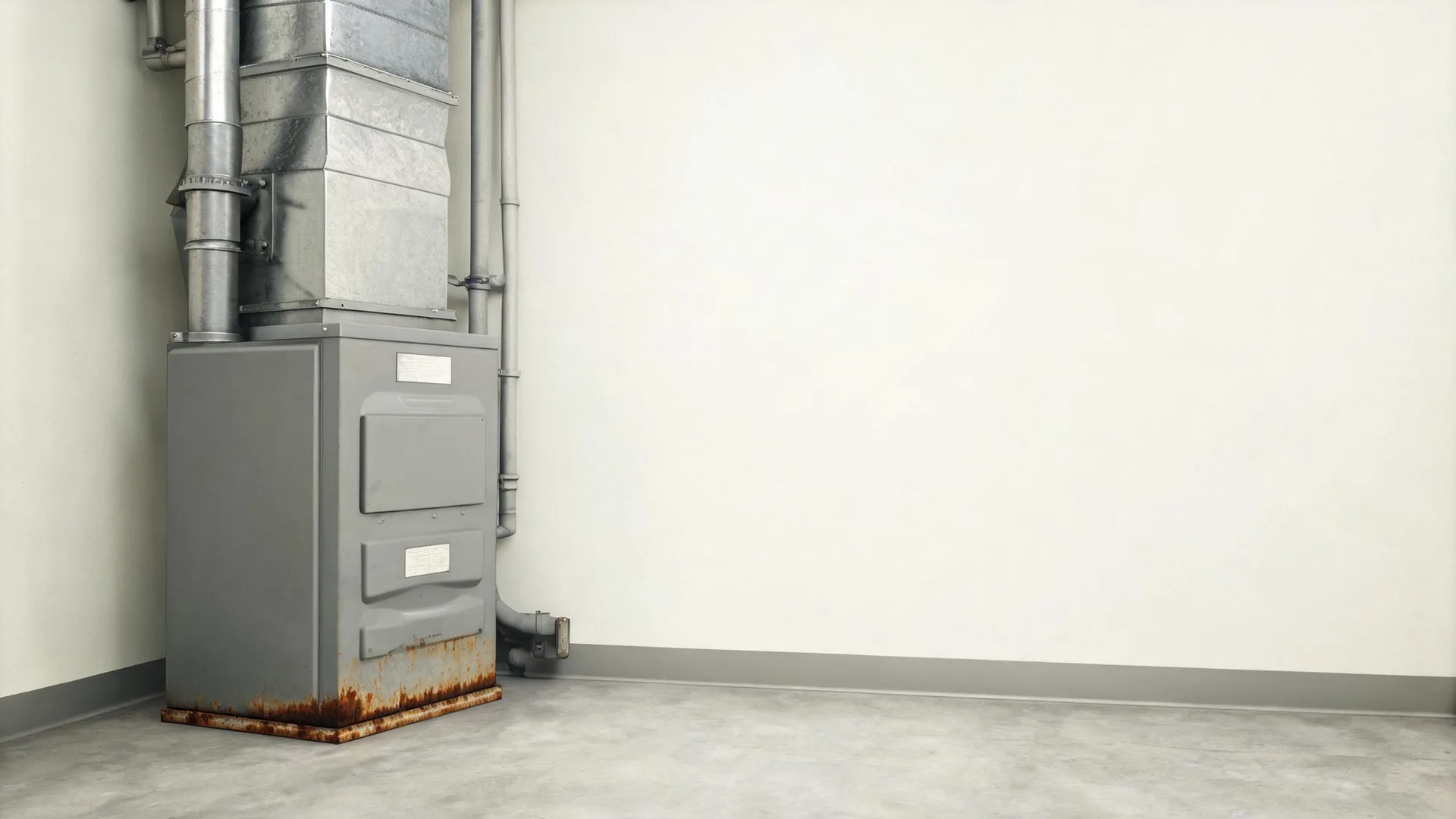
If your furnace came with the house, ask the contractor its age before you agree to a repair. On a furnace that old, that answer matters more than the fix in front of you.
Find a contractorA furnace fails on a schedule its parts don't get to negotiate. The igniter heats up and cools down every cycle, and that repeated heating is what eventually cracks it. The flame sensor sits in the burner flame every time the furnace runs, collecting a film of oxidation until it can't sense the flame anymore and shuts the furnace down as a safety measure. The blower motor's bearings wear with every hour of runtime, not with age sitting idle. A furnace that cycles on and off all day puts more starts and stops on these parts than one that runs in short bursts a few times a week. None of that means a part was bad to begin with. It means it reached the end of what it was built to do, and the furnace that runs longest each day gets there first.
A furnace that fires up, runs a couple minutes, then shuts off and starts again isn't warming the house right. It's usually a flame sensor that's coated and misreading the flame, or a filter so clogged the furnace overheats and trips its limit switch. Left alone, that stop-start pattern puts more wear on the parts that are already working hardest.
A bang when the burners light usually means gas is building up before it catches, often a dirty burner. A grinding or squealing points to the blower motor or its bearings. A furnace that's gotten loud didn't get louder on its own. Something inside changed, and it's worth having someone look before that part fails outright.
A furnace that's struggling still gets asked to do the same job every time it fires. A cracked heat exchanger gets wider with each heat cycle, not narrower. A blower motor with bad bearings keeps turning until it seizes, and when it does it can take the control board down with it. A clogged filter forces the furnace to pull air through a tighter opening, so it runs hotter each cycle until the limit switch starts tripping on its own. None of that fixes itself overnight. The part doesn't get a break between cycles, it just does the same job again with less margin left. The furnace that's merely annoying now is often the one that quits outright later.
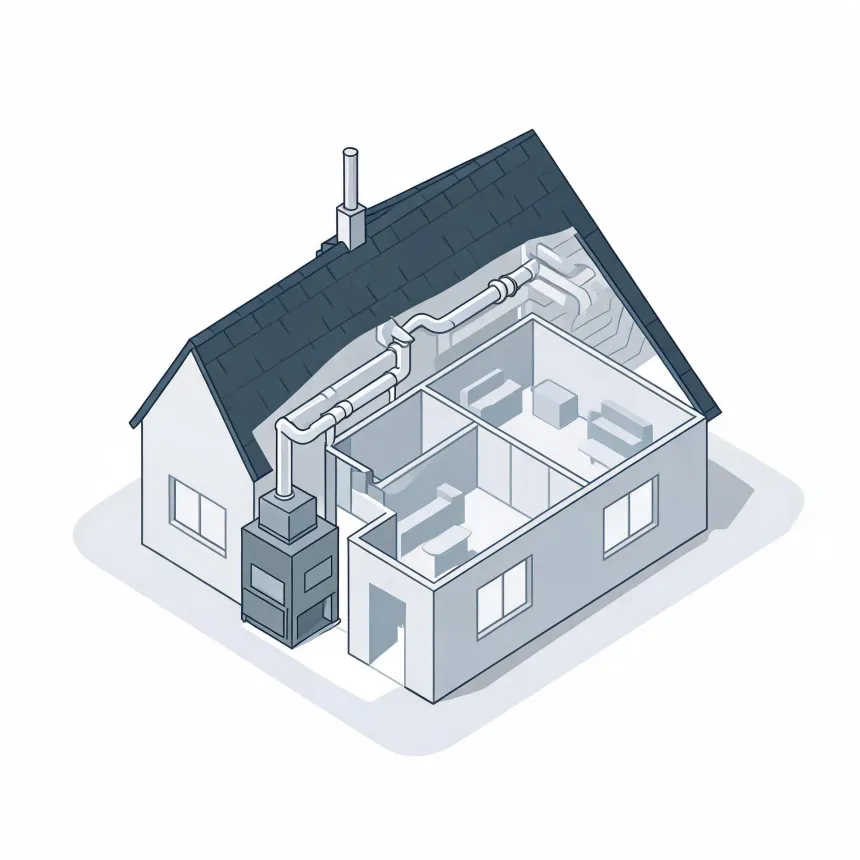
A diagnostic visit starts with what you heard on the phone, but the tech doesn't take it on faith. They'll run the furnace through a full cycle and watch it do what you described, because a sound or a smell points to a handful of causes and they need to see which one it actually is. That means pulling the panel and checking the flame itself. A flame that's blue and steady is burning clean. One that's yellow or flickering points to a burner that needs cleaning or a draft problem. They'll check the flame sensor for the coating that makes a furnace shut off right after it starts, test the igniter for a weak glow, and listen to the blower motor with the panel off to catch a bearing going bad before it seizes. Most of this is pass or fail. A part either reads right or it doesn't.