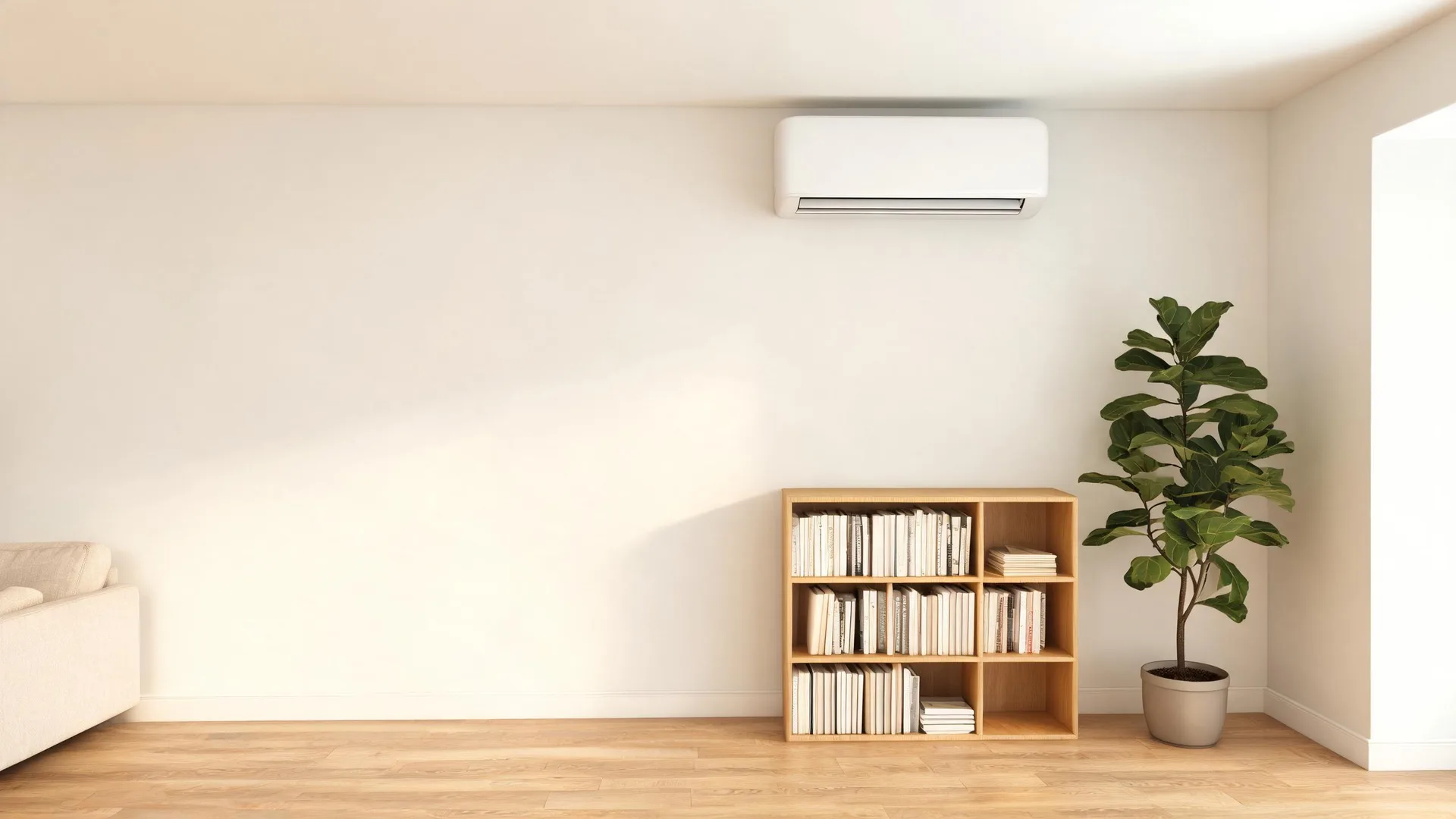
Electricity here runs 28.75 cents per kilowatt-hour
Connecticut's electric rates were 28.75 cents per kilowatt-hour in 2024, well above what most states pay. A mini split that wastes power shows it on every bill, all year.

Takes about a minute. No obligation.
Connecticut's electric rates were 28.75 cents per kilowatt-hour in 2024, well above what most states pay. A mini split that wastes power shows it on every bill, all year.
At this rate, the difference between a mini split that's sized and installed right and one that isn't shows up every month. Ask what SEER2 rating a unit carries and whether it's sized for the rooms it will heat and cool.
NOAA 1991–2020 monthly normals
Cooling runs June through August here, three months a year.
Install the mini split by May and it's ready before the first hot day, not scrambling to catch up once one hits.




Fuel oil or kerosene heats 41.8% of homes in this region, more than any other fuel. Utility gas comes next at 27.6%, then electricity. Most homes here were never set up to run on electric heat alone. That's why a mini split usually gets added alongside the oil or gas furnace rather than replacing it, covering the cooling load and taking some of the heating burden off the furnace during milder stretches. Ask what the mini split is meant to handle in your home, all of the heating or just part of it, before you compare quotes.
Half the homes in this region were built in 1969 or earlier. An older home like that was built before mini splits existed, so the walls, windows and room layout weren't planned around one. Getting the sizing right means someone looks at the house you actually have, not just the square footage on paper.
Find a contractorThree months of real work a year, and a mid-afternoon high around 82°F when it's running. That's a light load. A standard mini split, properly sized, handles it without strain. Put the money into correct sizing and a clean installation instead of chasing the highest SEER2 number on the shelf.
A contractor works out the heating and cooling load room by room, looking at window area, ceiling height, exterior walls and what's on the other side of them. Square footage alone leaves out too much. Rooms the same size can need different output depending on how many walls face outside and how much glass is in them.
A mini split that's too big cools the room fast, shuts off, then kicks back on soon after. That short cycling means it never runs long enough to pull moisture out of the air, so the room feels cold and damp instead of just comfortable. A unit sized correctly runs longer, steadier stretches and holds the temperature even.
The SEER2 number on the label tells you how much cooling a mini split delivers for the power it draws, averaged over a season of real starts and stops, not a lab run at full blast. A higher number means less power for the same cooling. It doesn't tell you the unit is right for the room. A high-SEER2 mini split that's oversized still short cycles, still leaves the air damp, still costs more to buy for no real gain. The rating matters most once sizing is already settled, as the tiebreaker between units that both fit the load, not the first thing to chase. Ask for the SEER2 rating and the load calculation together. One without the other doesn't tell you much.
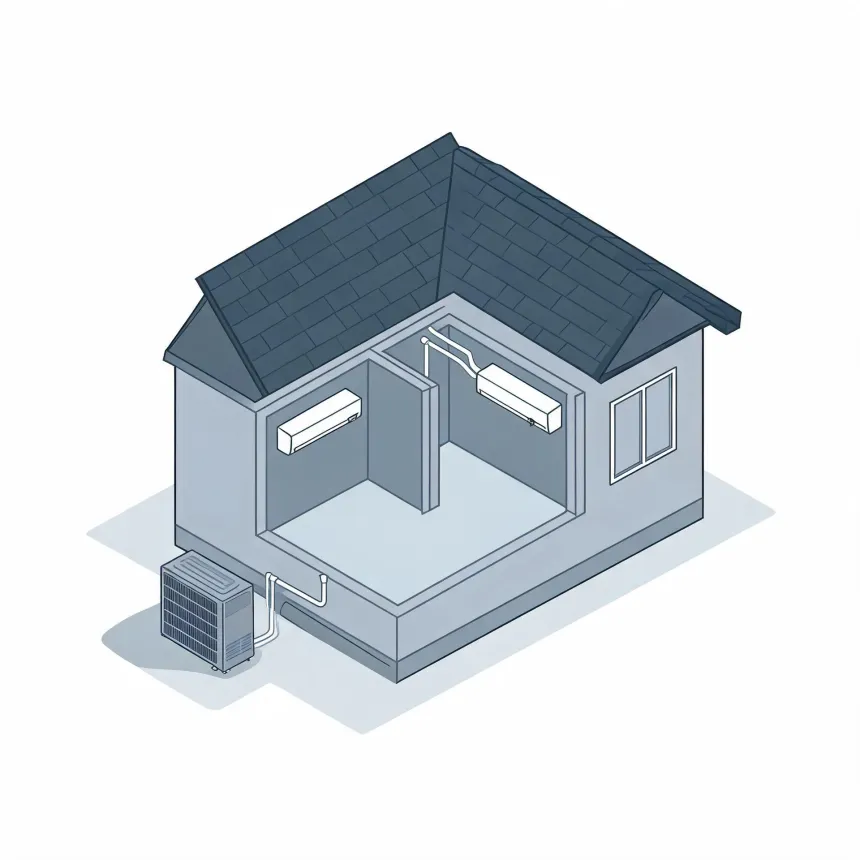
Installation day starts with the indoor and outdoor units already matched to the load calculation, so most of the real work happens before anyone drills a hole. The installer runs a line set between the indoor head and the outdoor condenser, carrying refrigerant lines, a condensate drain and electrical wiring through a small sleeve in the wall. That penetration gets sealed against weather once the lines are in. The outdoor unit sits on a pad or wall bracket, away from the wall indoors but clear of anything that would block airflow around it. After the lines are connected, the system gets evacuated with a vacuum pump to pull out air and moisture before refrigerant is released into the lines, and the installer checks the charge against what the manufacturer specifies for that line length. Then it's a matter of powering it on, checking that the head responds to the thermostat or remote, and confirming the condensate drains where it should instead of pooling.