
Is radiant floor heat worth it in Connecticut

Skip collecting and comparing quotes for the new boiler.

Describe it once

Is radiant floor heat worth it in Connecticut

You already have a boiler running your home, and you're wondering if radiant floor heat is worth adding on top of it. Connecticut winters mean that boiler runs for months, and your floors can still feel cold while it does. You want to know if radiant heat actually changes that, or if it's just another system to pay for and maintain.

Yes, if your boiler already heats your home, radiant floor heat is worth it

Radiant floor heat runs off your boiler, using hot water piped through the floor instead of pushed through baseboards or radiators. That water can run cooler than baseboard heat needs and still keep the room warm, because the whole floor is giving off heat rather than one strip along the wall. For Connecticut, where the boiler is working from fall through spring, that lower water temperature means the boiler doesn't have to work as hard to hold the same room temperature. The floor itself stays warm underfoot instead of the air doing all the work, which matters in a state where the ground outside is cold for months at a time. It's a real system to install, not a simple swap, but it works with the boiler you already have rather than replacing it.

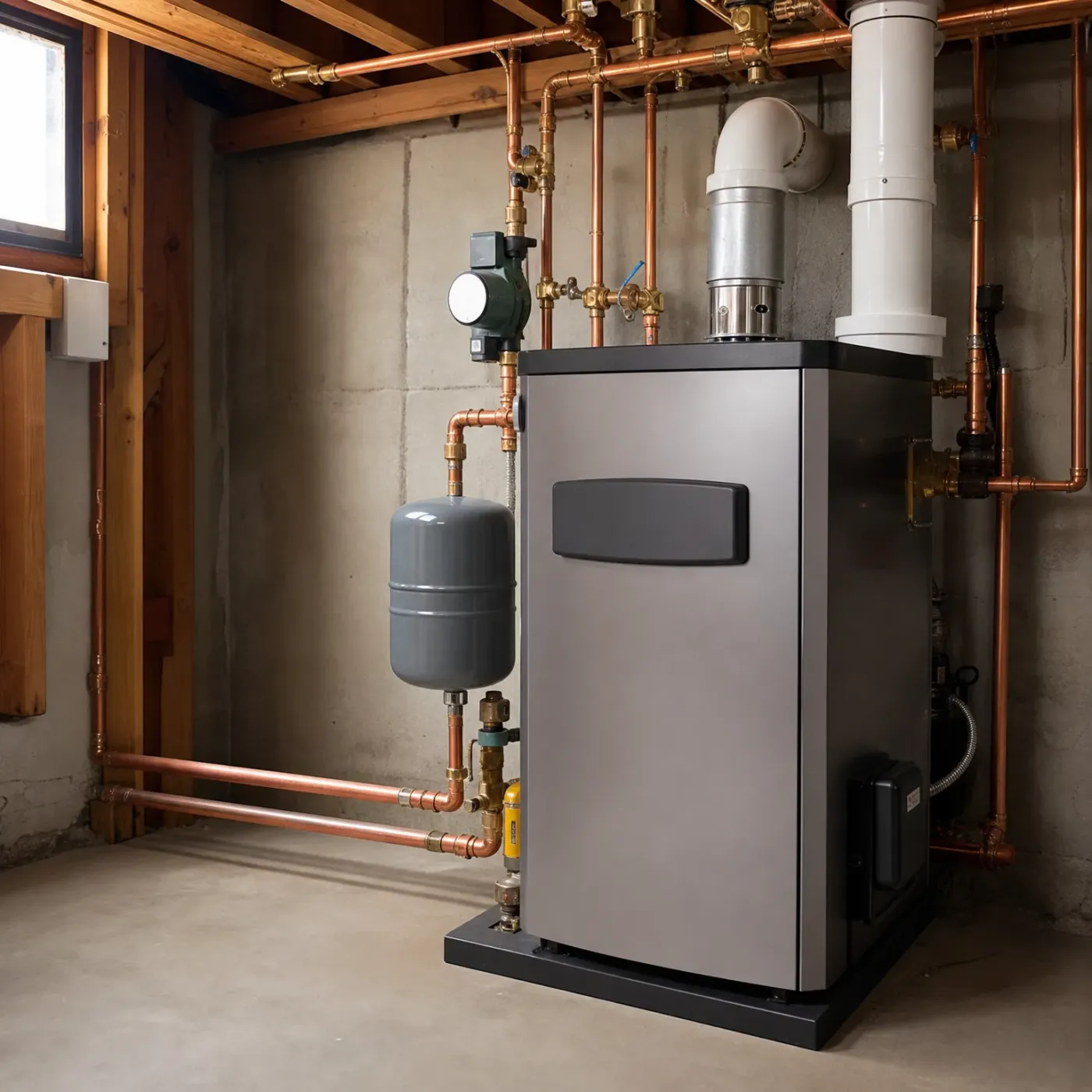
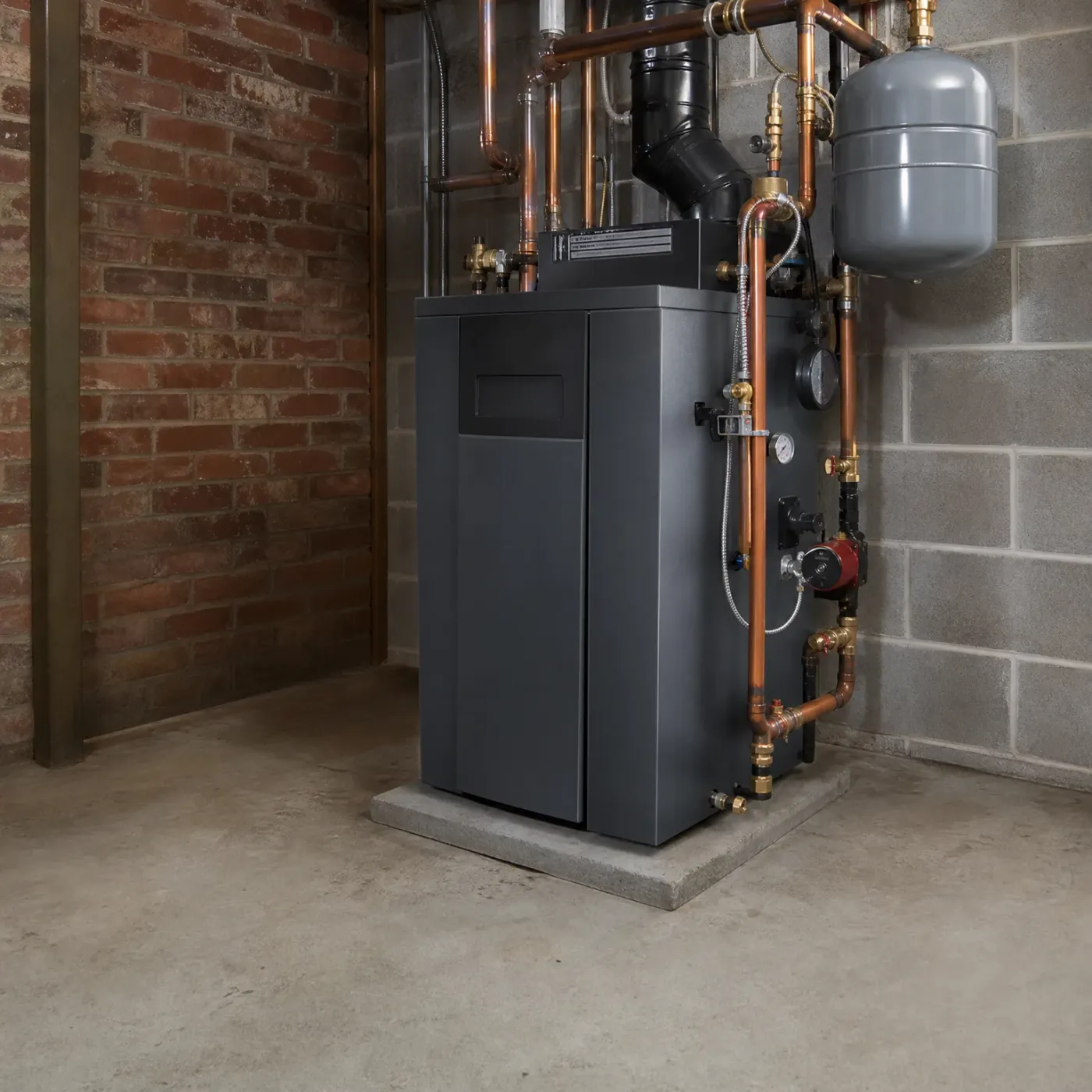
A dark gray floor-standing boiler on a concrete pad in a basement, connected to copper piping, valves, a circulator pump, a gauge, a black flue pipe, and a gray expansion tank, with a brick wall on the left and concrete block wall behind.

Running off the same boiler

Your boiler already heats water to run through pipes. Radiant floor heat uses that same heat, routed through tubing under the floor instead of through baseboards or radiators. The boiler in that first picture, with its copper lines and gauges, is doing a job it can likely be extended to cover.
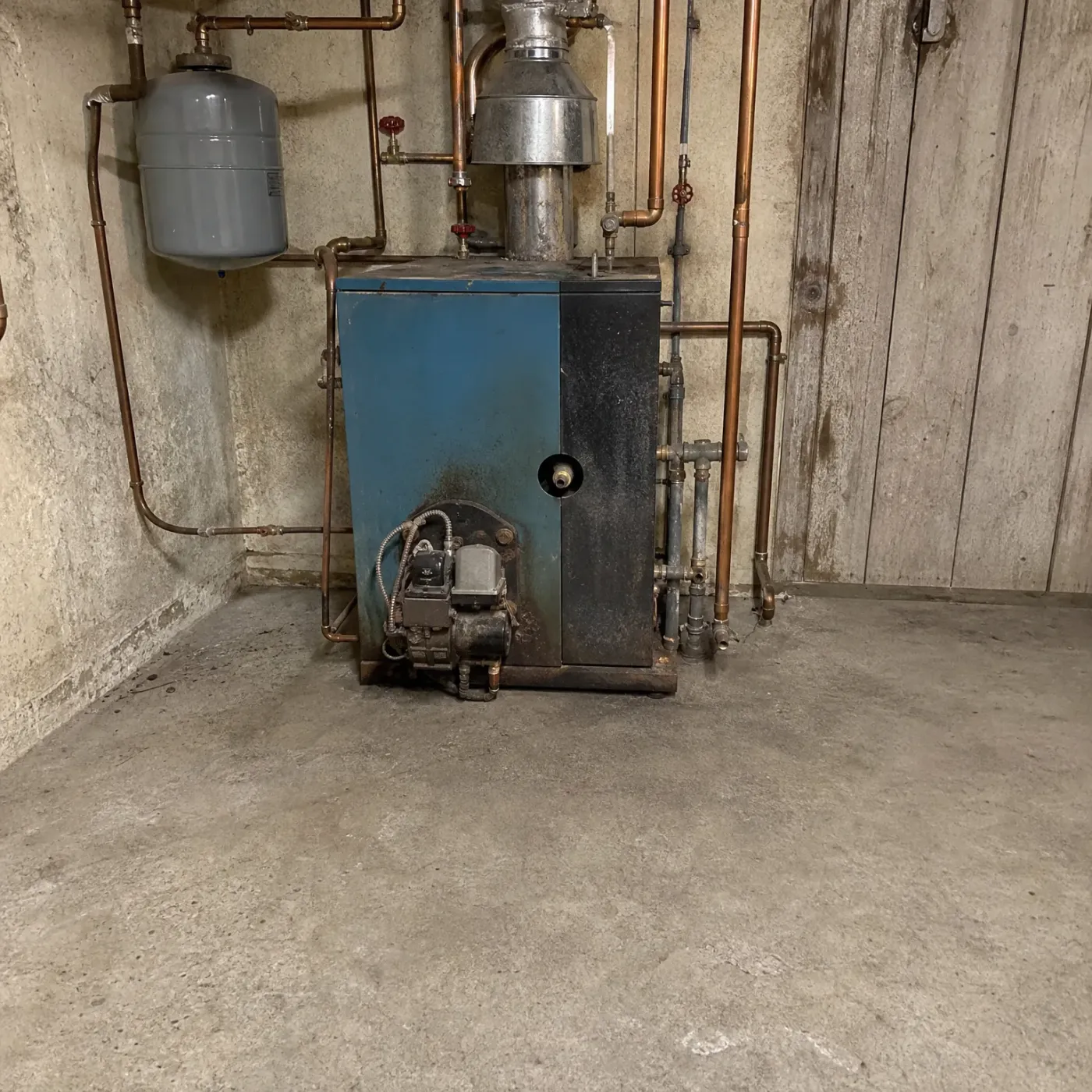

A blue and black boiler with a burner unit, flue, expansion tank and copper and steel piping stands on a concrete basement floor against a concrete wall and wooden plank partition.

What happens when it's not

An older boiler like this one has a harder time taking on a new zone of tubing. Add radiant heat to a unit that's already working to keep up with a Connecticut winter, and you may be asking more of equipment that has less to give.

Radiant Floors or Stay With What You Have

Keep baseboards or radiators

  • Your boiler already runs this way, so adding radiant floors means new zones, new tubing, and a contractor who can tie them into the existing system correctly.
  • Baseboards heat a room faster after a cold stretch, since the water only has to travel through metal fins, not warm a slab or subfloor first.
  • A radiator or baseboard that fails is a simple swap; tubing set into a floor is not something you get at without opening up the floor itself.
  • If your house already has baseboards zoned room by room, you can turn down rooms you don't use without touching the rest of the system.
  • Nothing changes about how your floors feel underfoot in January, which matters if cold floors haven't bothered you so far.

Add radiant floor heat

  • Floors near the Sound or inland alike stay warm to the foot instead of just warming the air above a baseboard.
  • Radiant runs at a lower water temperature than baseboards, so the boiler doesn't have to work as hard to heat the same square footage.
  • With power rates as high as they are in Connecticut, a system that lets the boiler run cooler water is one way to hold down what those months cost.
  • Once tubing is in the floor, you lose the baseboard's ability to heat a room fast; radiant warms a room slowly because it's warming the floor first.
  • Retrofitting into an existing floor means the contractor has to work around the subfloor you already have, which is more involved than running new baseboard line.
  • You keep the boiler you have. Radiant is a different way of delivering the same heat it already makes.
  1. Your boiler heats water the same way it does now

  2. A manifold splits that hot water into separate floor zones

  3. Tubing loops under the floor carry the water in a set pattern

  4. The floor itself warms up and holds that heat

A dark gray floor-standing boiler in a concrete-walled basement, connected to copper piping, circulator pumps, a gray expansion tank, and a cream-colored storage tank to the left.
A boiler running right keeps its pipes and fittings tight, with steady pressure showing on the gauge near the expansion tank.
A gray residential boiler with a metal flue pipe stands in a concrete-block basement corner, surrounded by copper piping, valves and a gray expansion tank.
A boiler showing its age, with scale building in the pipes, can struggle to add a radiant zone without a contractor checking capacity first.

Picture your own floors this January, the bathroom tile or the kitchen floor over the slab, cold enough that you keep slippers by the bed. Radiant tubing under that floor would mean your feet feel warm the moment you step down, not just the air a few feet above them. Your boiler already runs hard through a Connecticut winter, and adding a floor zone doesn't change how many months it runs, only how the heat gets delivered in the rooms you choose. Where it tends to pay off is the rooms where you stand still, a kitchen, a bathroom, not a hallway you pass through. It won't touch your summer bill, since the tubing carries hot water, not cold, and your AC still has to fight that same stickiness on its own. The real cost to weigh is the work of cutting into a floor and tying new zones into an existing boiler correctly, which is why the contractor doing it matters as much as the decision to do it.

A gray boiler on a concrete pad in a basement with painted concrete block walls, copper piping, a metal flue, and electrical control boxes.
Before you get your boiler installation
A gray boiler with a metal flue pipe stands in a basement against concrete and concrete-block walls, connected to copper piping, a circulator pump, and two gray expansion tanks.
After you get your boiler installation
A gray boiler on a black base in a basement with concrete walls, connected to copper piping, a circulator pump, a gray expansion tank, and white and metal flue vent pipes.

Skip calling around

Your request goes to one pro, not a list of companies.

Fill out one short form instead of calling around.

Find a local pro

You're not committing to anything by asking.

Why do your floors stay cold while the boiler runs all winter

You hear the boiler cycle on, you feel the baseboards get warm, and the room comes up to temperature. But the floor under your feet stays cold, especially tile or anything over a slab. You end up keeping slippers by the bed or avoiding the kitchen floor in socks. That gap between warm air and cold floor is just how baseboard and radiator heat works, since the heat rises off the unit rather than off the floor. It isn't a sign anything is wrong with your boiler. If your floors are also uneven in temperature room to room, that usually points to how the baseboards or radiators are placed, not to the boiler itself.

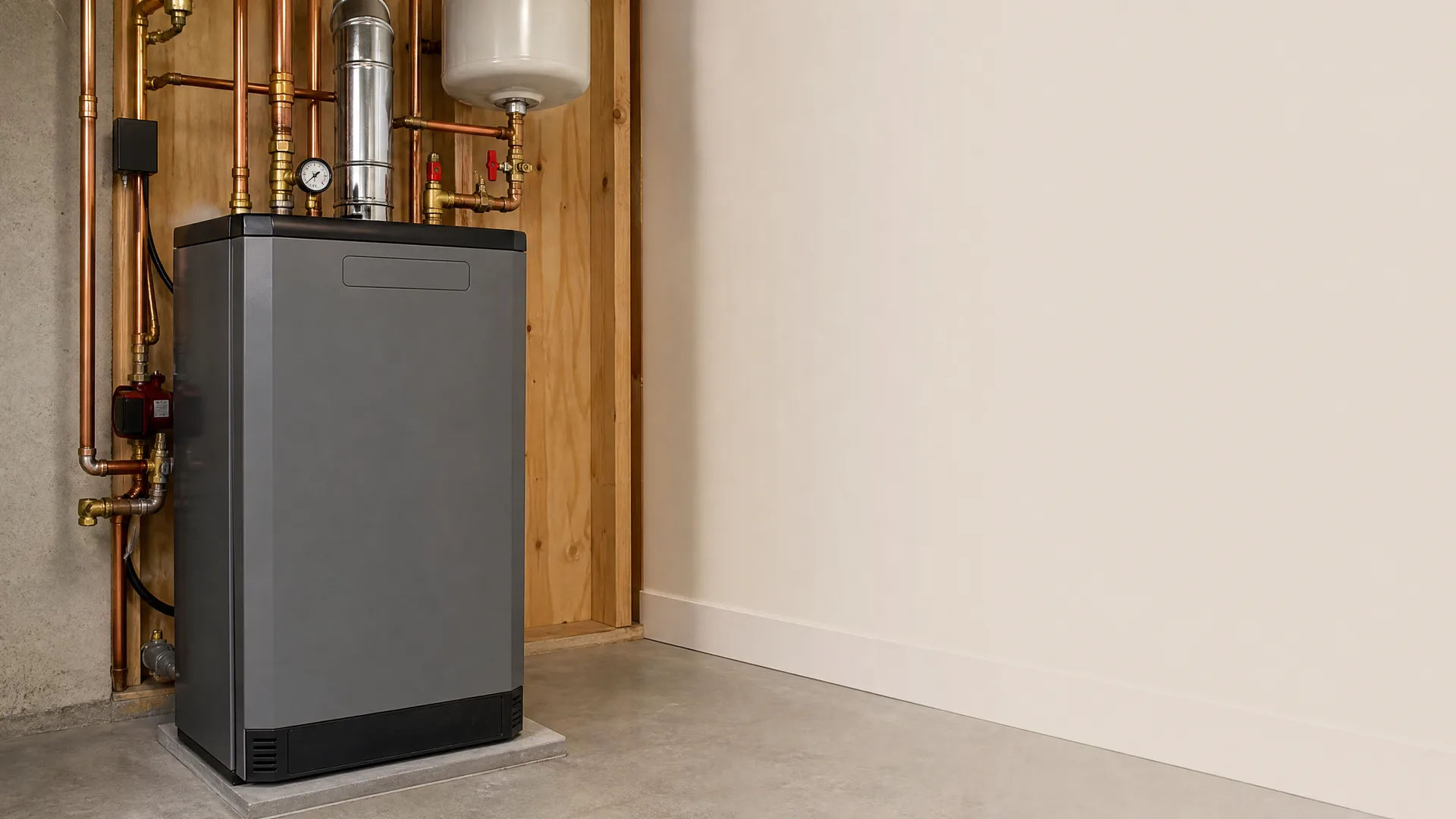
A dark grey floor-standing boiler on a concrete floor in front of a plywood wall, with copper pipes, valves, a pressure gauge, a flue pipe and a white expansion tank above it, beside a plain light-coloured wall.

Water temperature runs lower

Baseboards need water around 160 to 180 degrees to throw enough heat across a room. Radiant tubing can run at 90 to 120 degrees and still warm the floor, because the whole floor is the heat source instead of a few feet of baseboard. A boiler supplying a radiant zone works less hard per gallon than one pushing water hot enough for baseboards, which is part of why radiant zones often get set up on their own mixing valve rather than sharing the boiler's full output directly.

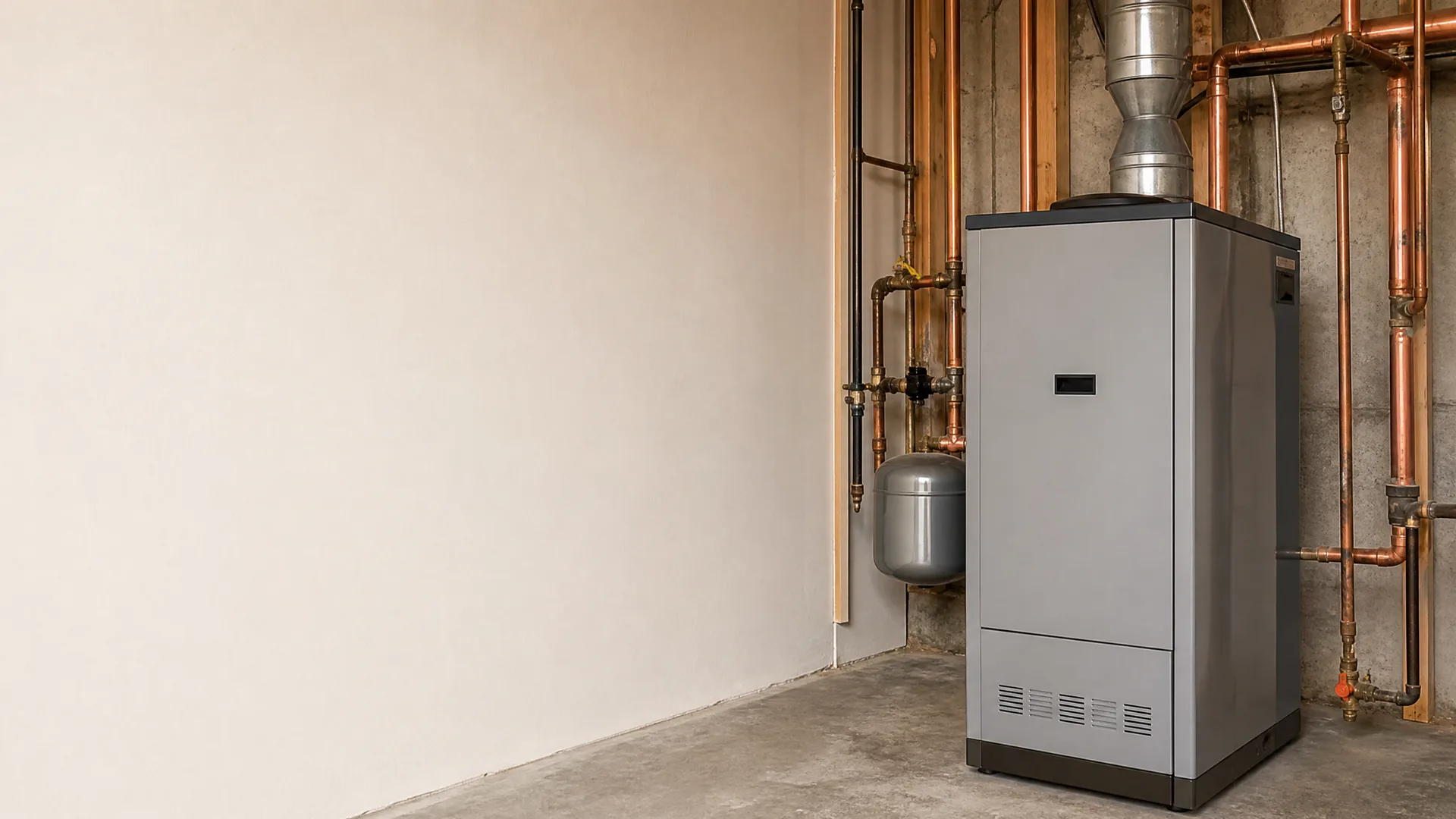
A gray boiler unit with a metal flue pipe stands in a basement corner, surrounded by copper piping and an expansion tank against a plain light wall and concrete floor.

The slab stores the heat

A concrete slab or a tiled floor holds heat the way baseboards never could. Once the tubing warms that mass, it keeps giving off heat for a while after the boiler stops firing, the same way a cast iron radiator stays warm after the valve shuts. Baseboard air cools fast once the water inside stops moving. That storage is why radiant floors feel steady through a Connecticut night instead of swinging hot and cold the way forced air or baseboard heat can when the thermostat cycles.

Winter nights average 23°F statewide

Those overnight lows near 23°F are the stretch your boiler works hardest, cycling on through the night to keep ahead of the cold. Radiant tubing holds its heat in the floor itself, so when the boiler cycles off between runs, your feet don't feel it the way bare baseboards do.

NOAA nClimDiv 1991-2020 county normals weighted by homes

A smiling woman with dark shoulder-length hair in a cream V-neck sweater sits at a marble counter with a glass of red wine, with a kitchen and softly lit living room behind her.
A woman in a dark green sweater laughs while seated at a marble kitchen island with a glass of red wine, with open shelving, cabinets and a living room visible behind her.
A woman with long dark hair in a cream knit sweater laughs while looking off to the side, seated at a counter with a glass of red wine, in a dimly lit living room with a sofa, lamp, framed pictures and houseplant behind her.
A smiling woman with long dark hair in a beige sweater sits at a marble kitchen counter with a glass of red wine, with a dimly lit living room behind her.
A closed silver laptop and a ceramic mug of dark coffee sit on a wooden table in front of two chair backs, with a kitchen counter, tiled backsplash, wooden cutting boards, a vase of greenery and a potted plant by a window behind.

So is it worth it on your boiler

If your floors go cold every winter while the boiler runs and runs, radiant heat under that floor is worth putting in. It runs off the same boiler you already have, at a lower water temperature, and the heat stays in the floor instead of leaving the room the second the baseboards cool. What it costs depends on your zones, your floor, and what your boiler can take on, and that's a question for someone who can look at your actual system.

Finding that someone is usually the slow part. You'd normally be calling a few plumbing or heating outfits, explaining your boiler and your floor plan to each one, waiting on quotes, and sorting through answers that don't quite match up. Asking here instead puts you in touch with one licensed contractor local to Connecticut, someone who works on boilers and radiant systems all winter and knows what tends to go wrong when the two get tied together. No juggling calls, no repeating yourself. Just a straight look at whether your place is a good fit.

Interior corner of a room with a window and sheer curtain at left, a gray upholstered sofa with a cushion at right, and a round wooden table holding stacked books and a round vase with an olive branch.
A smiling bearded man in a navy crewneck sweater sits at a dinner table with a glass of red wine, plates and glasses in the foreground, in a dimly lit room with a lamp and framed picture behind him.
A woman in a dark gray sweater reclines on a light sofa with eyes closed and a slight smile, under a textured gray blanket with an open book resting on her lap, with a lit table lamp and plant in the background.

Boiler Installation

Describe it once

One installer gets your project, so there's no bidding war over it.

A black-framed smartphone standing upright against a plain white background, its screen filled with solid green.
New system or replacementBoilerConnecticut
Step 1 of 2

What ZIP code is the job in?