





White colonial houses with lit windows photographed at dusk along a tree-lined residential street.

Boiler Repair in Stamford, CT

Tell us about the job

Takes about a minute. No obligation.

RepairBoilerWestern Connecticut Planning Region, CT
Step 1 of 2

What ZIP code is the job in?

A boiler that's making noise or short cycling will usually keep heating while it does it, and that's what makes people wait. But a knocking sound from the heat exchanger often means scale or sediment is baking onto the metal, and the longer that keeps happening, the more it eats into the metal underneath. A pump that's starting to fail will keep pushing water, just less of it, so the boiler works harder to heat the same rooms and the strain lands on the heat exchanger again. Low pressure that gets ignored can let a circulator run dry, and a circulator doesn't recover from that. The boiler won't tell you any of this is happening. It just keeps firing until the part it's been leaning on gives out.

Boilers in this part of Stamford start their season in October.

Get a boiler looked at in September, before the cold puts weight on whatever part is already weak.

A boiler running on oil costs more here than almost anywhere else to run badly

Heat runs October through May
Winter nights average 22°F
Half the homes here were built by 1971
Stamford has a lot of old boilers for a reasonHalf the homes in this region were built in 1971 or earlier.

Stamford boilers don't fail because of anything particular to this area. The same issues show up here as anywhere a boiler heats a home through the winter. One thing worth knowing if you're in Connecticut. About 20% of households in the state went at least 24 hours without power in 2024. A gas or oil boiler won't fire without electricity to run its controls, even with fuel sitting right there. If your heat went out during an outage and came back once the power did, that's normal, not a sign anything's wrong with the boiler. If it didn't come back on, that's a separate problem worth having someone look at.

If your boiler is original to the house, find out what's left in it

Half the homes in this region were built in 1971 or earlier. If your boiler is original to the house, a repair might still be the right call, but it's worth knowing first whether it has years left in it or is close to done. Someone can tell you which, and what the repair is actually buying you, before you pay for it.

Find a contractor
A man seen from behind in a dark shirt and tan work pants carries a canvas tool bag up stone steps toward a gray panelled front door of a shingled house, with a potted shrub beside the entry.

Most failures start with water, not fire

A boiler that's low on water or has air trapped in the lines will trip its safety switches and shut down rather than run dry. Minerals in the water settle out over time and coat the heat exchanger, and that scale acts like insulation, making the boiler burn longer to get the same heat into the house. An expansion tank that's lost its air cushion lets pressure swing too high or too low, and either one will shut the system down or wear on the seals.
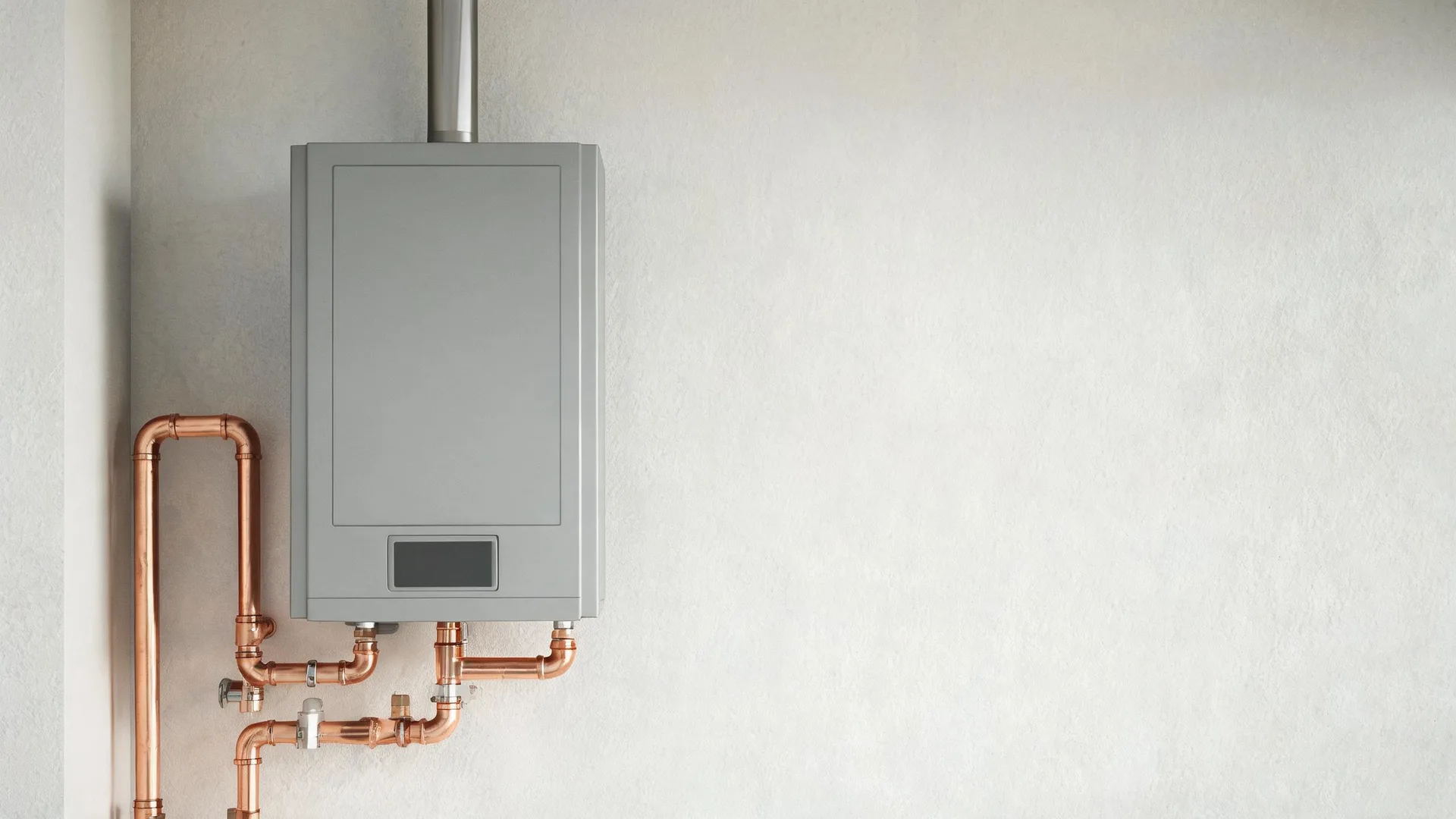
Electrical parts fail quieter than mechanical ones

An igniter or flame sensor that's going bad won't make noise. The boiler just won't light, or it'll light and shut right back off. A failing circulator pump is often the same way, it hums or runs warm but doesn't move enough water, so rooms stay cold even though the boiler's firing fine. These are the failures that look like nothing's wrong until the heat just isn't there.

A boiler in trouble usually says so before it quits outright. Heat that used to come up fast now takes longer, or a room stays cooler than the rest even with the thermostat satisfied. You might hear it cycle on and off more than it used to, running short bursts instead of steady stretches. A kettling or knocking sound from inside the cabinet is the heat exchanger telling you something's coating it. Water pooling at the base, even a little, means a seal or valve is letting go somewhere. Pressure that keeps dropping and needs topping off isn't normal, something is losing water that shouldn't be. None of these stop the boiler from running that day. They're just the signs that show up before it does.

A diagnostic visit starts with questions, not tools. When did you notice it, does it happen at startup or while it's running, has the pressure been holding steady. Then it's a gauge check, a look at the pressure and the temperature, and a look at the flame itself if it's gas, or the burner if it's oil. A tech will pull the cover and look at the heat exchanger for scale or soot, check the circulator for noise and warmth, and test the safety switches to see if they're tripping for a reason or tripping on their own. Most of this doesn't require taking the boiler apart. It's usually clear within the first few checks whether the problem is water, air, or a part that's simply worn out, and from there you'll know what's actually wrong before anyone touches a wrench to it.