



A row of gray clapboard houses with gabled roofs behind a long white picket fence, with mown grass in the foreground and large leafy trees overhead.

Boiler Repair in Norwich, CT

Tell us about the job

Takes about a minute. No obligation.

RepairBoilerSoutheastern Connecticut Planning Region, CT
Step 1 of 2

What ZIP code is the job in?

Your boiler in Norwich runs about eight months a year, October through May. Overnight lows average 24°F in December and January. That's steady work for a boiler, not unusual strain. Nothing about the weather here pushes a boiler to fail in some special way. When one acts up, it's almost always the same handful of causes. A failing igniter or pilot. A bad circulator pump. Low water pressure. A thermostat not signaling right. A tech who's seen this before can usually narrow it down fast once they're in front of it.

Most boiler failures trace back to water, not fire.

Low pressure, trapped air or mineral buildup causes more no-heat calls than a bad igniter ever does.

A boiler here fails for the same reasons it fails anywhere else

20% of homes statewide lost power a day or more in 2024
Heat runs October through May
Winter nights average 24°F

Half the homes in Norwich were built in 1969 or earlier. If your boiler came with the house, or with a system installed back then, it's working against decades of wear on more than the boiler itself. Old piping corrodes from the inside and feeds that rust back into the system. An older home is also more likely to have had its boiler replaced at some point without the piping being touched, which can leave sediment and scale that outlasts the unit itself. None of that means a repair won't hold. It means the question worth asking before you pay for one is how much life is left in the system behind it.

Get your boiler looked at properly

If oil heats your home, it cost $21.64 per million Btu in Connecticut last year. That's one more reason a boiler eating more fuel than it used to is worth a second look, not just a repair that gets heat back on for now. Whatever's wrong is likely one of the usual causes. Getting it diagnosed right is what makes the fix hold.

Find a contractor

No heat, or heat that doesn't last

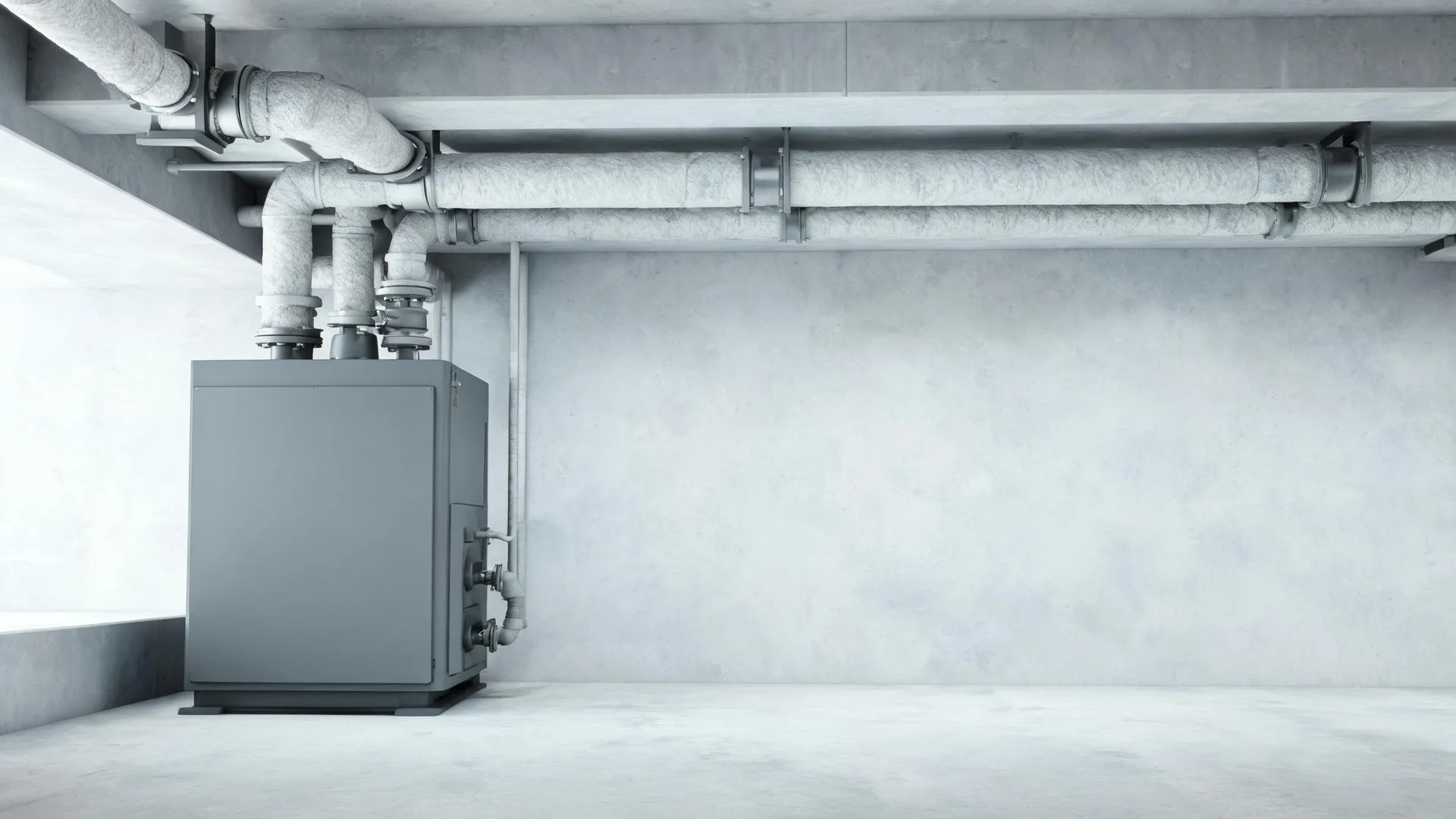
A boiler that won't fire at all usually points to the igniter or pilot assembly. One that fires but the house never warms up points somewhere else, often a circulator pump that's stopped moving water through the system or a zone valve stuck closed. Both show up the same way to you. Cold radiators or cold floors when the thermostat says it should be running.
Sounds and leaks worth acting on

Banging or kettling from the boiler usually means mineral buildup is making water boil against a scaled surface before it can circulate. Water pooling at the base, a pressure relief valve that keeps venting, or a pressure gauge that won't hold are signs the system is losing water somewhere or building too much of it. None of these fix themselves. Waiting usually means a bigger repair than the one you'd have had today.

A boiler that's struggling doesn't fail quietly. Low water pressure makes the pump work harder to push water through the system, and a pump running against that resistance wears out faster than one that isn't. Trapped air does something similar. It lets the water boil against hot metal instead of carrying heat away, and that's what scores a heat exchanger that would otherwise last years longer. A circulator pump seizing partway often still turns, just not enough to move water properly, so the boiler keeps firing and overheating the same section over and over. Mineral scale works the same way in slow motion. A little buildup makes the boiler run longer to do the same job, and that extra runtime deposits more scale, faster. Whatever starts the problem, the boiler usually can't tell it's hurting itself. It just keeps firing because the thermostat is calling for heat.

A diagnostic call starts with the gauge, not the burner. A tech checks pressure cold, then checks how it behaves once the boiler fires, since a system that holds steady at rest but drops once it's hot is telling you something different than one that's just low all the time. From there it's the circulator pump, felt by hand for heat and vibration that says it's actually moving water, not just humming. The igniter or pilot gets tested under real conditions, not just looked at, because a pilot that lights but won't hold is a different problem than one that won't light at all. A tech will also bleed a line or open the system enough to see whether the water coming out runs clean or carries rust and scale, since that says more about what's ahead than what's wrong today. Most of what decides the repair happens before any part gets replaced.