






A gray forced-air furnace with ductwork stands in an unfinished concrete basement surrounded by storage items and clutter.

Furnace Installation in Middletown, CT

Tell us about the job

Takes about a minute. No obligation.

New system or replacementFurnace or heatingLower Connecticut River Valley Planning Region, CT
Step 1 of 2

What ZIP code is the job in?

More homes in this part of Connecticut heat with oil than with anything else, 51.7%. Gas service from the street does not reach every neighborhood, which is part of why utility gas heats only 14.8% of homes here. If your house already has an oil furnace, replacing it with another oil furnace is usually the straightforward path, since the tank, the lines and the venting are already in place. Switching fuels for a furnace installation means more than swapping the unit. It can mean new gas lines, a new tank, or electrical work, depending on what you're moving to. Worth asking a contractor what your house would actually need before deciding it's worth the change.

8 months
October through May, your furnace is on duty
23°F
the average winter night it heats against
80% AFUE
the federal minimum any new unit must meet
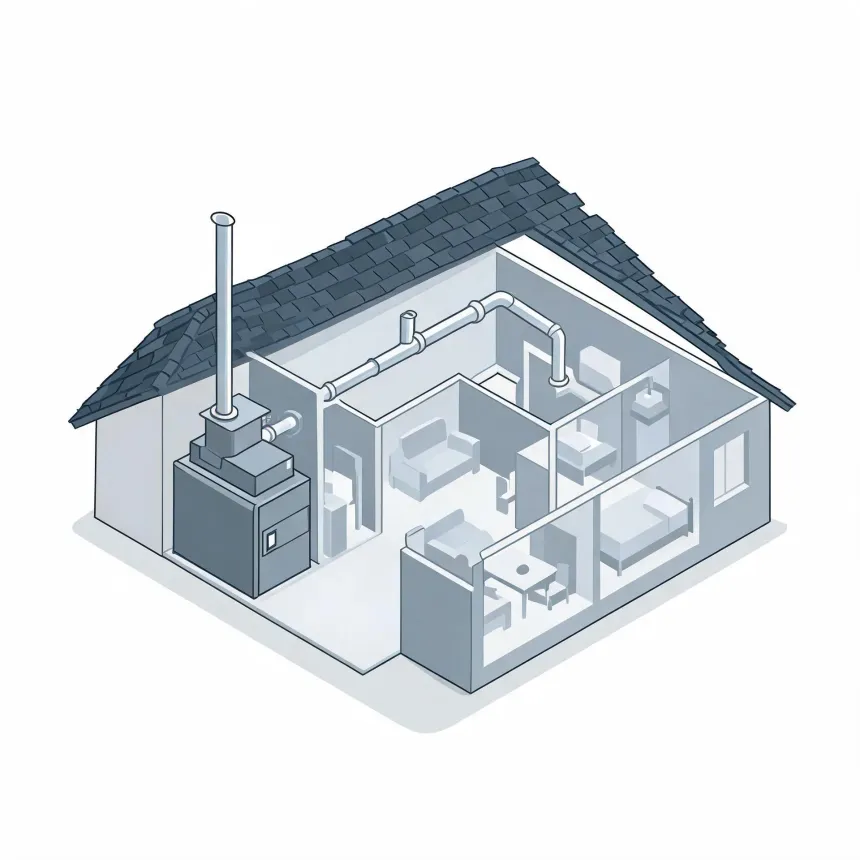
Isometric cutaway illustration of a single-story house showing interior rooms with furniture, ceiling ductwork, and a large furnace unit with a tall flue pipe in a corner room.
Your furnace works hardest from November through March.

NOAA 1991–2020 monthly normals

A furnace sized right for your house doesn't need to be the biggest one on the truck.

Standard sizing and efficiency get the job done here, no reason to pay for more than that.

Winters here call for a furnace that runs, not one that's oversized

20% of homes statewide lost power a day or more in 2024
Heat runs October through May
Winter nights average 23°F
Built for an older houseHalf the homes in this region went up by 1972 or earlier.

September is a good month to get a furnace replaced in Middletown. Heat goes on in October and keeps running through May, eight months in all. Once that stretch starts, you're relying on the system every day, and a breakdown in the middle of it means waiting on a contractor's schedule instead of your own. Doing the installation before the weather turns means it happens when it's convenient, not when the old unit finally quits.

A standard furnace is the right furnace here

Eight months of heat a year, overnight lows averaging 23 in December through February. A standard furnace at standard efficiency handles that without trouble. There's nothing about this ground to size around.

Find a contractor
A man in a cap, gray long-sleeve shirt and brown pants carries a canvas tool bag up porch steps toward a dark front door, beside a potted shrub.
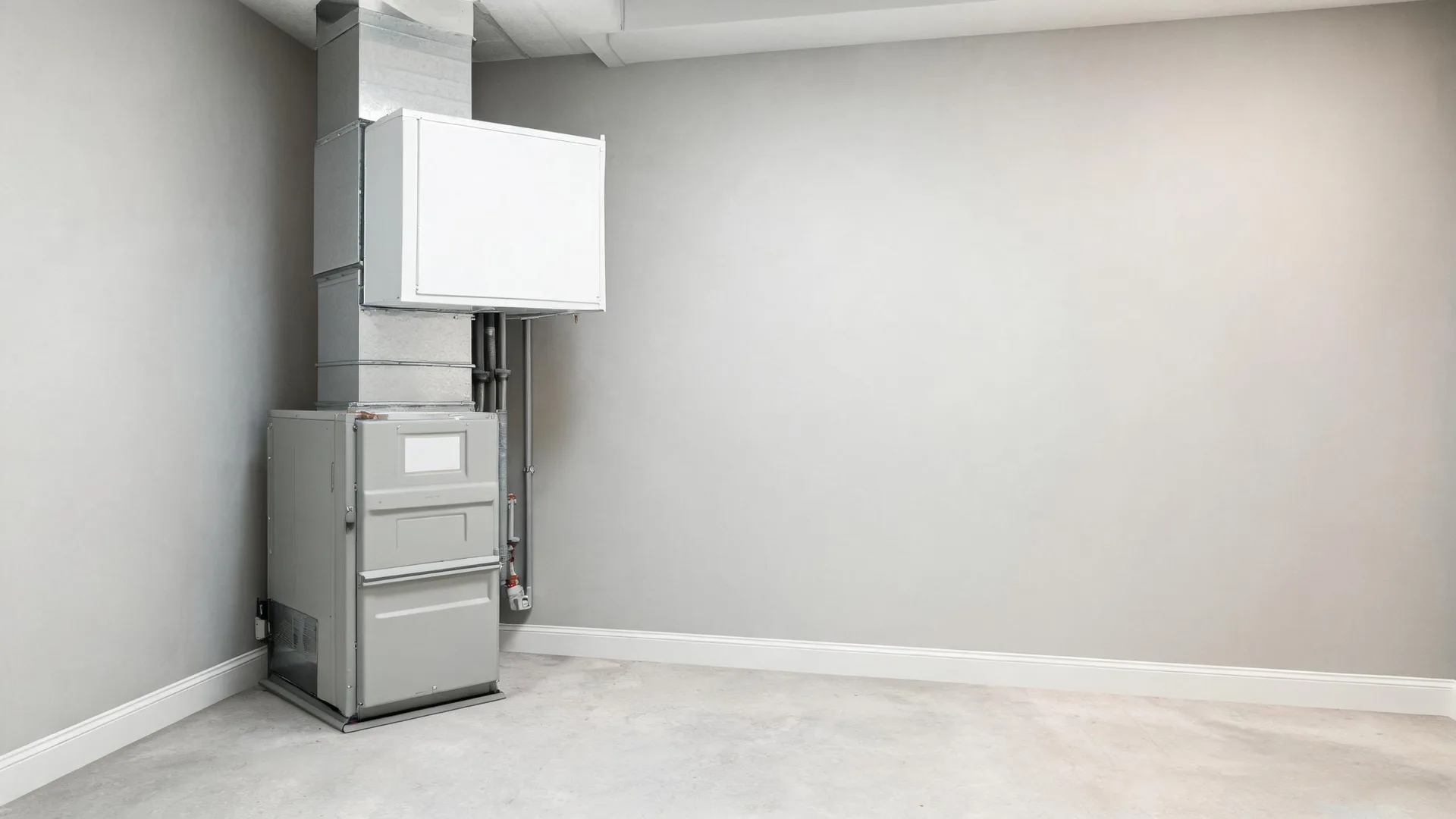
A gas furnace with attached ductwork, gas piping, and condensate lines installed in a concrete-block basement.

Match the furnace to the house

A contractor sizing your new furnace needs to know what it's replacing it into, not just the square footage. Old ductwork, old returns, a chimney liner sized for the last unit, all of it affects what will actually work in your house. Ask them to look at what's there before they quote a system.

Ask what venting the new furnace needs

A high-efficiency furnace vents through PVC pipe out the side of the house, while a standard furnace vents through metal pipe into a chimney or liner. Moving from one to the other means new venting, not just a new unit. Ask what your house has now and whether the furnace you're looking at can actually use it.
Ask who backs the warranty

The manufacturer covers the heat exchanger and major parts, but only if the furnace was installed and registered the right way. An installer's own labor warranty is separate from that, and shorter. Ask what paperwork has to be filed, and by when, so the coverage is actually in place if something fails later.

The number on a furnace label is the AFUE rating, and it tells you how much of the fuel it burns turns into heat in your house versus how much goes out the flue. A furnace rated higher wastes less fuel doing the same job. That number has nothing to do with how big a house it can heat. Sizing is a separate question a contractor works out from your ductwork and your home, not from the rating on the label. A higher rated furnace usually costs more up front and can mean different venting, since the exhaust runs cooler and often needs plastic pipe instead of metal. Before comparing furnaces on that number alone, ask what venting each one needs for your house, since that can change the installation more than the rating itself does.

Installation day starts with the old furnace coming out, along with any venting or ductwork that isn't being reused. The new unit gets set in place, then the contractor builds out the duct connections, the gas line, the venting and the electrical to match it. Each connection gets tested before anything is closed up. Once it's running, the contractor checks the gas pressure, the temperature rise through the furnace and the airflow at the registers, since a furnace that's connected right can still run wrong if those aren't set correctly. The old equipment leaves with them. Expect a system that's been fired, checked and walked through before they consider the job done, not just installed and left.