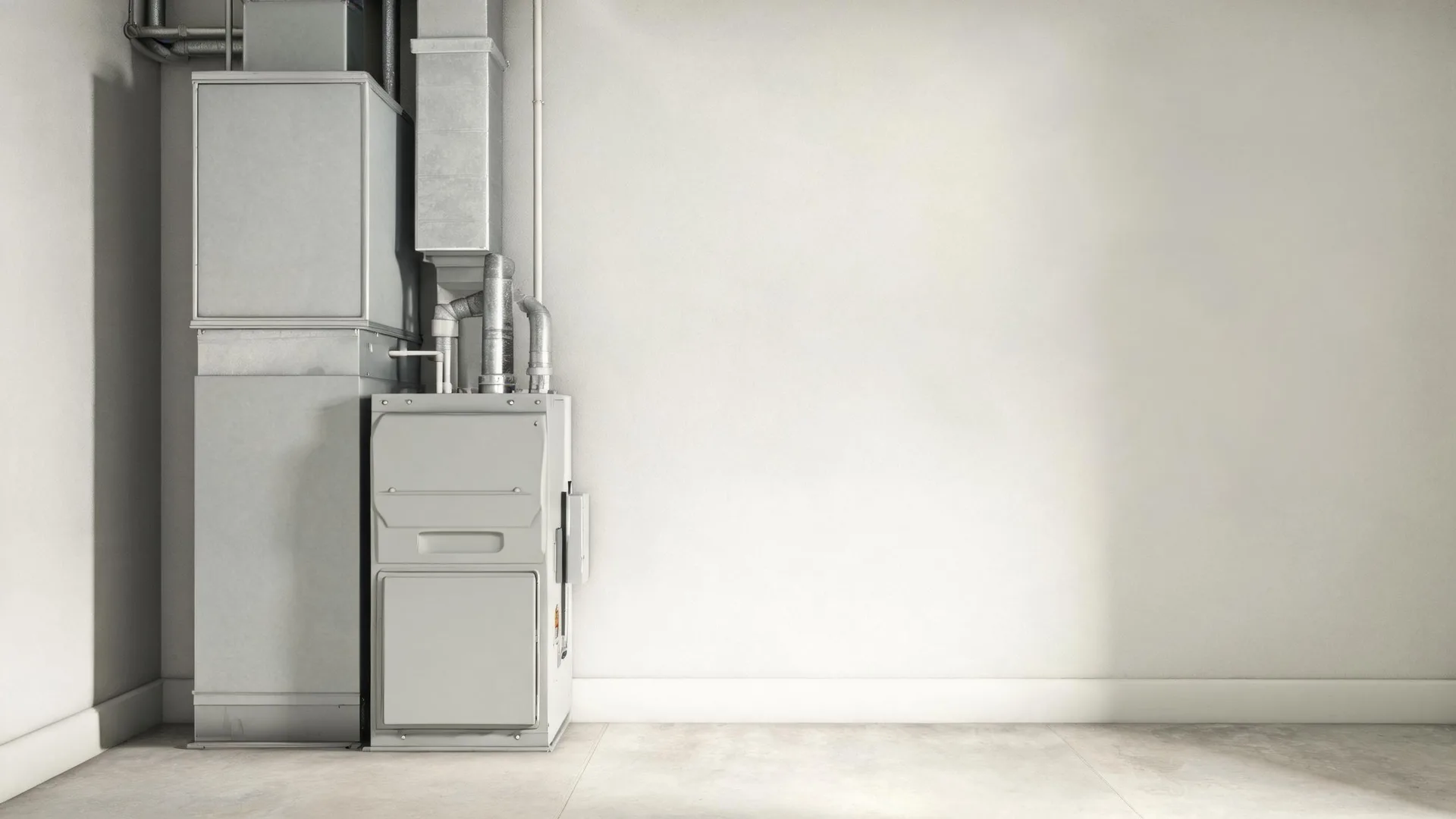
Oil runs expensive here
Connecticut homes paid $21.64 per million Btu for fuel oil in 2024. If your furnace runs on oil, that cost lands on every gallon you burn through winter.
Takes about a minute. No obligation.
Connecticut homes paid $21.64 per million Btu for fuel oil in 2024. If your furnace runs on oil, that cost lands on every gallon you burn through winter.
Two furnaces can heat the same house and cost different amounts to run. At oil prices this high, the efficiency rating on the unit you pick matters more here than in a state where fuel costs less.
NOAA 1991–2020 monthly normals
More than half the homes in this region heat with fuel oil or kerosene.
If your old furnace burned oil, replacing it with another oil furnace keeps the venting and tank you already have.




A standard furnace sized to your house is the right call here. Nothing about Torrington pushes you toward oversizing or hunting for a specialty unit. The one thing worth planning for is power. 20% of Connecticut households lost power for 24 hours or more in 2024, and a furnace with a standard ignition system won't run without electricity, even if the gas or oil keeps flowing. If that's a real concern in your house, ask about a battery backup or manual override when you're comparing units. It won't change which furnace fits your home, just whether it can start during an outage.
Half the homes in this region were built in 1967 or earlier. A furnace sized for a house like that is not automatically the right fit today, especially if the house has had additions, new windows, or insulation work since. Installing a new furnace means sizing it to the house as it stands now, not to what it needed decades ago.
Find a contractor
A load calculation is what gets this right. A contractor measures the house as it stands, the windows, the insulation, the square footage, and sizes the furnace to that, not to a nameplate on the old unit. Ask for this before you pick a model.
If the ducts already in the house are too small or too leaky for the new furnace's output, the installer has to open up walls or floors to fix them before the furnace can do its job right. A furnace swap where the old ducts work fine is a much smaller job than one where they don't.
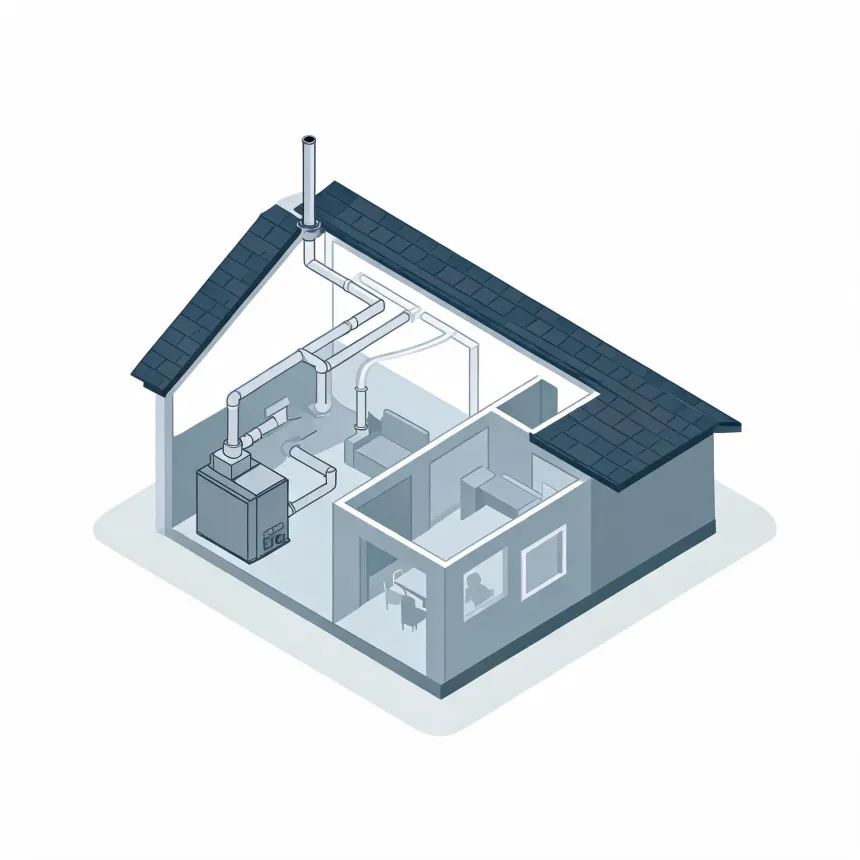
A furnace venting straight up through a chimney needs different venting than one that exhausts through a side wall. Switching fuel types, or moving from an older furnace to a high-efficiency one, often means running new venting from scratch rather than reusing what's there.
A furnace that's too big for the house doesn't heat better, it cycles on, blasts hot air, and shuts off before the house warms evenly. Rooms end up with hot and cold spots and the system wears out faster from all the starting and stopping. One that's too small runs constantly during the coldest nights and still can't keep up. The load calculation is what keeps you out of both problems. It accounts for the square footage, the windows, how much insulation is in the attic and walls, and how much air leaks out, then lands on the output the house actually needs. A nameplate on the old furnace doesn't tell you that, it just tells you what someone sized for this house years ago, maybe before a renovation changed the numbers.
Installation day starts with the old furnace coming out, and that alone takes a few hours if the venting or gas line needs any rework. The new unit gets set in place, connected to the ductwork, the gas line or oil line, the venting, and the electrical. Once it's hooked up, the contractor fires it on and runs it through a cycle, checking the heat exchanger, the gas pressure or oil flow, and the temperature rise across the furnace to make sure it matches what the manufacturer specs for that model. The ductwork gets checked too, for airflow at the registers and any leaks at the connections. Before anyone packs up, carbon monoxide levels get tested near the unit and at the vent to confirm nothing is spilling into the house. A straightforward swap, same fuel type and ductwork that already fits, can wrap in a day. One that needs new venting or duct work takes longer, since that part of the job happens before the furnace itself ever gets tested.