





An unfinished basement containing a metal furnace with ductwork, exposed wooden joists on the ceiling, cardboard boxes, a coiled cable, and a single hanging incandescent bulb.

Furnace Installation in Waterbury, CT

Tell us about the job

Takes about a minute. No obligation.

New system or replacementFurnace or heatingNaugatuck Valley Planning Region, CT
Step 1 of 2

What ZIP code is the job in?

Fuel oil ran $21.64 per million Btu across Connecticut homes in 2024. That price is set by the market, not by the furnace, so the only thing a new system controls is how little oil it burns to heat your house. An old furnace loses a good share of that fuel straight out the flue. A new one gets more heat out of every gallon, which matters more here than in states where oil runs cheaper. If you're comparing furnaces for a Waterbury install, ask what each one is rated to do with a gallon of oil, not just what it costs to put in.

8 months
October through May, your furnace is on duty
22°F
the average winter night it heats against
80% AFUE
the federal minimum any new unit must meet
Isometric cutaway illustration of a single-story house showing interior rooms, furniture, a dark furnace unit with a tall vertical flue pipe, and ductwork running under the pitched shingle roof.
Your furnace works hardest from November through March.

NOAA 1991–2020 monthly normals

A standard furnace size fits most homes in Waterbury.

Sizing right matters more than buying bigger, since a furnace that's too large will cycle on and off instead of running steady.

A furnace sized right handles winters here, nothing more is needed

Heat runs October through May
Winter nights average 22°F
Half the homes here were built by 1969

Heat goes on here in October and runs through May, eight months of the year. Once it's cold and the old furnace quits, you're picking from whatever a contractor can get installed that week. September is the month to have it replaced instead, while there's no rush and no house getting cold while you decide. A new furnace also needs time to be sized and set up right for your house, not just swapped in to get heat back on by evening. Doing it before October means the first cold morning is just the first time it runs, not the first time anyone's seen it work.

Going into a house, not just a spot where one used to be

Half the homes in this area were built in 1969 or earlier. A furnace going into a house that age is going into walls, ducts and venting that were never built around today's equipment. The new furnace has to work with what's already there, not just drop into the old one's spot.

Find a contractor
A gray gas furnace with attached ductwork and piping installed in an unfinished concrete basement.

Years of running, starting from how it's set up

A furnace holds up for years, long enough to outlast whatever changes happen in the house around it. That's the case for getting the sizing and venting checked against your house now, before it's installed, not assumed from the unit it's replacing. If yours came with the house, nobody still around chose it for what your place needed.

The rating is about the fuel, not the heat

An efficiency rating tells you how much of the fuel in the tank turns into heat in the house instead of going out the flue. It says nothing about how big a space the furnace can handle or how fast it warms the house. A high rating on an undersized furnace still leaves rooms cold.
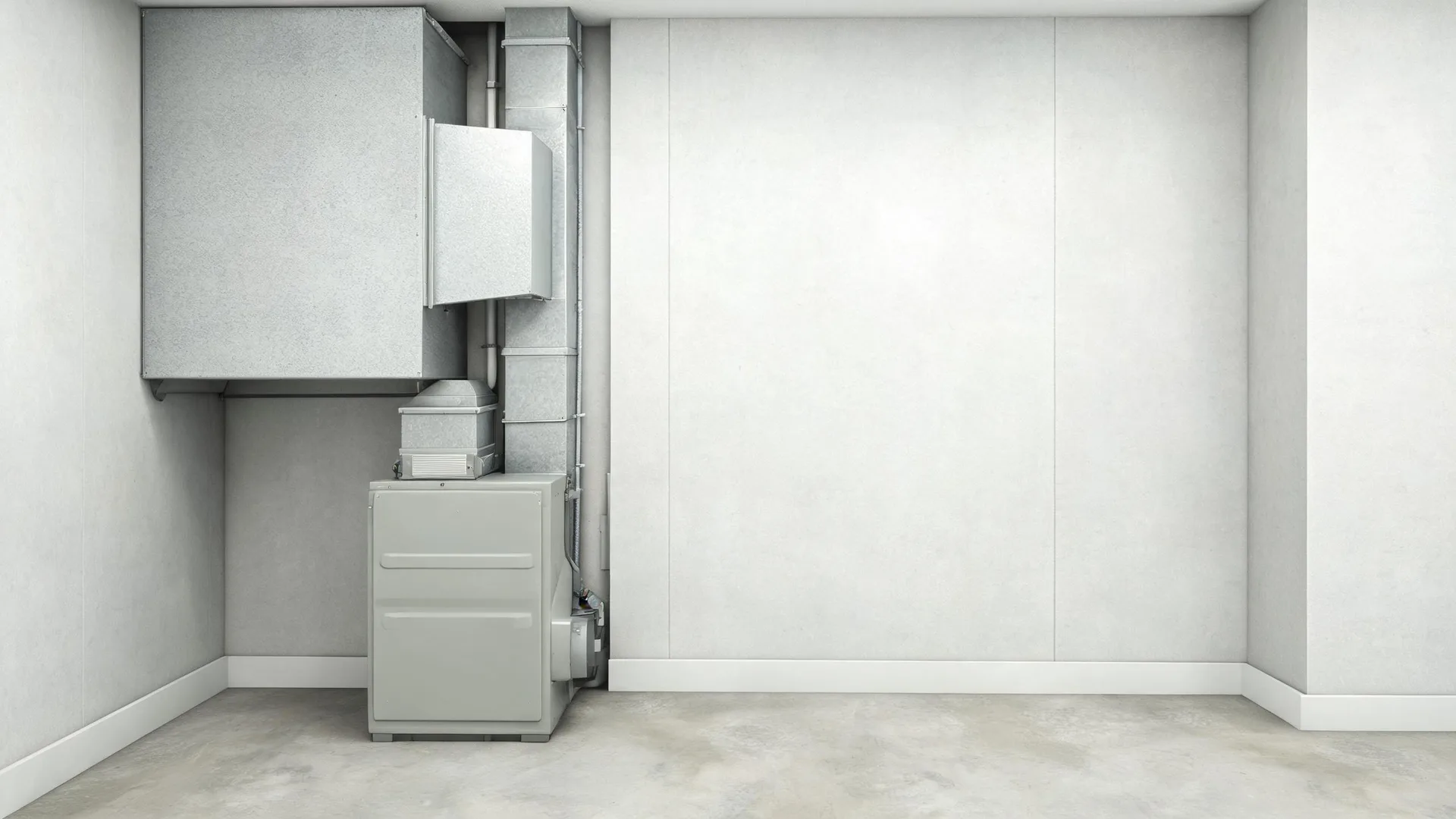
The rating only pays off if the venting matches it

A furnace built for a high rating pulls more heat out of the exhaust before it leaves, which means that exhaust comes out cooler than an old furnace's did. Venting has to be built for that from the start, sized and routed for a cooler, often damp exhaust instead of the old flue. Put a high-efficiency furnace on the wrong venting and it won't run the way the label says it will.

Installed cost comes down to how much has to change beyond the furnace itself. Swapping one unit for another in the same spot, same vents, same fuel line, is the cheapest version of this job. Anything beyond that adds work. New ductwork if the old runs are undersized. New venting if the furnace is a different type than what's there now. New wiring if the unit calls for a circuit the house doesn't have. Bigger furnaces cost more than smaller ones, but the size you need is set by your house, not by what the last furnace happened to be. The other real cost is the labor to set it up right, sizing it to the house, venting it correctly, testing it once it runs. That work is worth paying for. A furnace installed wrong costs more to live with than it did to install.

Install day starts with the old furnace coming out. The fuel line or gas line gets capped while the new unit is set in place. A tech checks the flue or vent pipe next, because that decides whether the exhaust actually leaves the house instead of backing up. Then the connections go in. Fuel line, electrical, thermostat wiring, ductwork sealed back to the furnace. Once it's hooked up, it gets fired and run, not just switched on and left. A tech checks the flame, checks the draft, checks that warm air is actually coming out of the vents it's supposed to. That test run is what tells you the sizing and venting were done right, not the installer's word for it.