Gas is the common fuel here
Utility gas heats 46.4% of homes in the Capitol Planning Region, more than any other fuel. Fuel oil comes next at 30.6%, with electricity and propane behind that.
Takes about a minute. No obligation.
Utility gas heats 46.4% of homes in the Capitol Planning Region, more than any other fuel. Fuel oil comes next at 30.6%, with electricity and propane behind that.
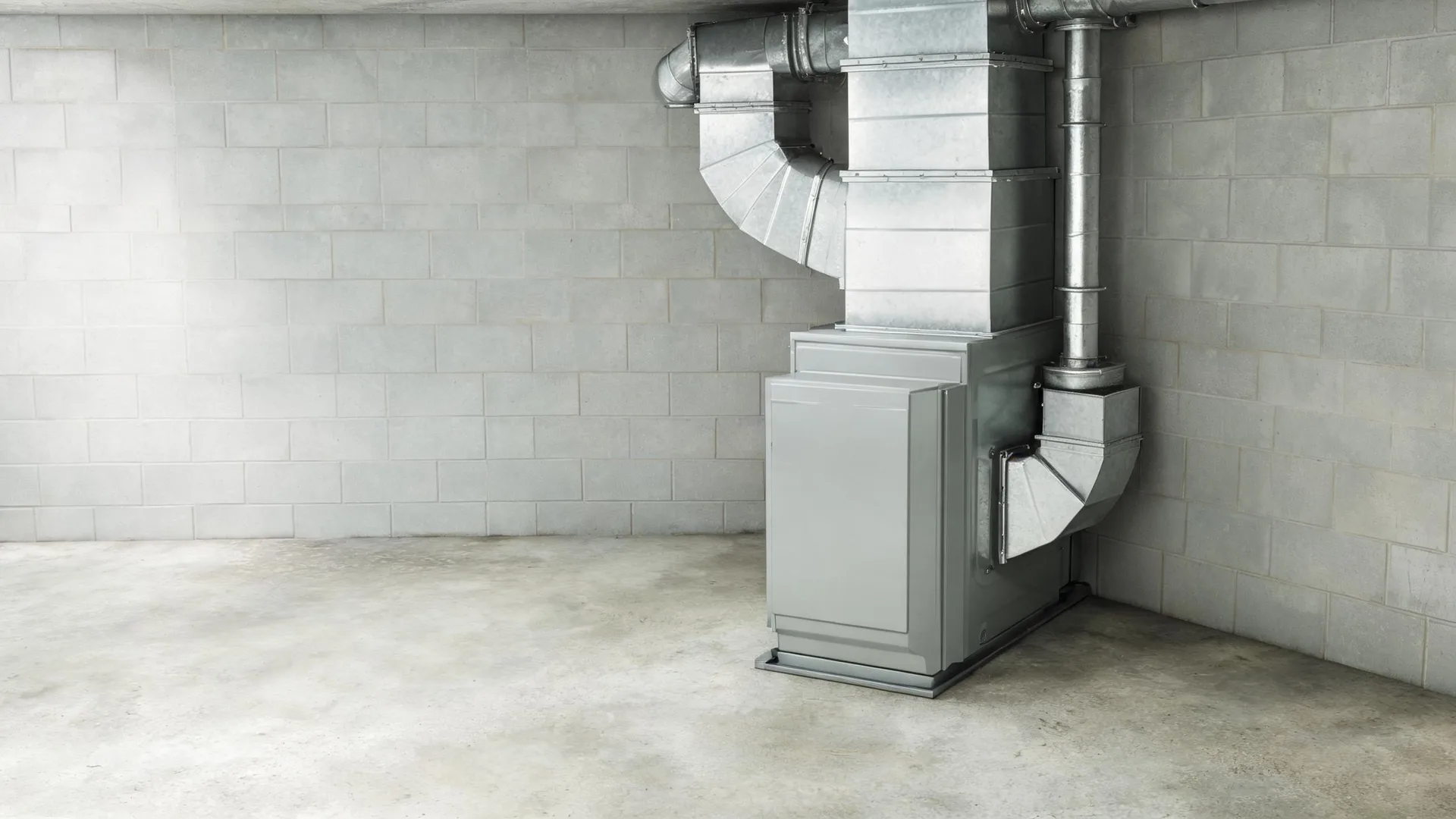
If a gas line already runs to your house, a gas furnace is usually the simplest replacement. The old venting and gas supply give the installer a starting point instead of a blank slate.
NOAA 1991–2020 monthly normals
Furnaces in this region run from October through May, about eight months of the year.
September is the month to get a new furnace in, before the first cold night puts it to work.



A standard furnace sized to the house is the right call here. Gas runs $16.36 per million Btu in Connecticut, and that price doesn't change based on whether the unit is a standard model or a high-end one. Bigger or more expensive doesn't mean better in a job like this. The house tells the installer what size the furnace needs to be, and once that's settled, a standard efficiency unit heats it the same as a pricier one would.
A standard furnace sized to the house holds up fine here. One thing worth asking the installer about is battery or generator backup for the igniter and blower. A fifth of Connecticut households lost power for a full day or more in 2024, and a furnace won't run without electricity even on gas.
Find a contractorEight months of heat a year, with overnight lows averaging 21°F in December, January and February. That's the load a new furnace has to carry here. It isn't an unusual load, and it doesn't call for anything beyond a standard unit sized to the house. What matters more over that stretch is whether the furnace runs when it's supposed to. A furnace that cycles on and off for eight months needs its igniter and blower working every one of those nights, not just the mild ones.
The AFUE number on the label tells you how much of the gas burned turns into heat in the house versus what goes out the flue. A higher number means less fuel wasted. It says nothing about how evenly the house heats or how long the furnace lasts.
Furnaces with the same AFUE can still perform differently if one is sized wrong for the house. The rating describes the unit, not the ductwork or the rooms it feeds. Matching the furnace to the house is what decides whether that efficiency shows up in how the place actually heats.
Estimates for a typical Hartford home, from EIA household energy data, Connecticut fuel prices and NOAA climate normals. Your home will differ.
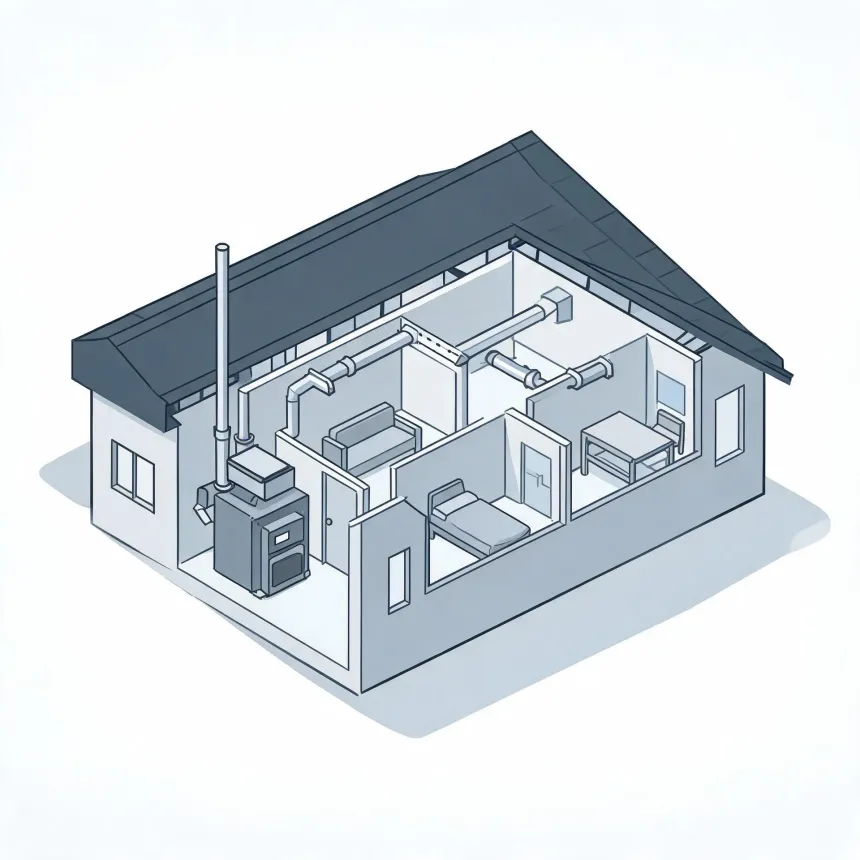
Installation day starts with the old furnace coming out, along with the old venting if the new unit doesn't use the same setup. The installer sets the new furnace, connects the gas line, and runs new vent pipe or reuses the existing flue if it's still sound. Ductwork gets connected next, and this is where a mismatch would show up if the new unit's blower doesn't match what the old trunk lines were built for. The gas line gets pressure tested before anything is lit. Once the furnace fires, the installer checks the flame, sets the gas pressure, and lets the system run through a full cycle to see that the blower kicks on and off the way it should. The last step is checking the thermostat talks to the new furnace correctly, since a mismatched control board will leave the system running when it shouldn't or not starting at all.