Oil runs expensive here
Fuel oil cost Connecticut homes $21.64 per million Btu in 2024. If your furnace runs on oil, that price sets the floor on every bill no matter how new the equipment is.
Takes about a minute. No obligation.
Fuel oil cost Connecticut homes $21.64 per million Btu in 2024. If your furnace runs on oil, that price sets the floor on every bill no matter how new the equipment is.
The price of oil is fixed. How much of it your furnace wastes is not. A unit that converts more of that fuel into heat for your house burns less to keep it warm, and that difference shows up on every bill through a Danielson winter.
NOAA 1991–2020 monthly normals
September is the last quiet month before heat season starts in Danielson.
Put the new furnace in now and it's broken in and running right by October, not mid-repair in a cold snap.



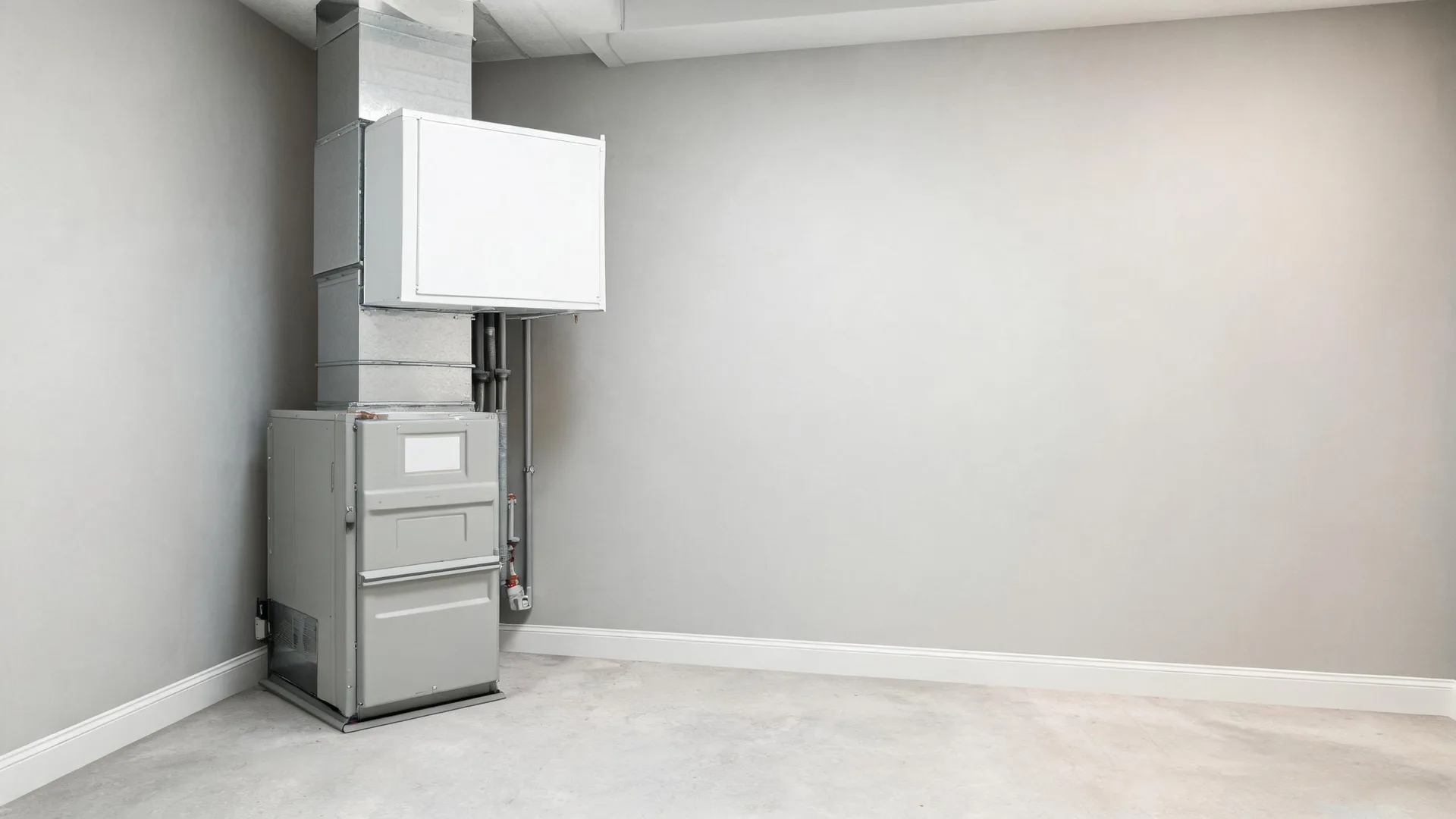
Most homes in this part of Connecticut heat with oil, 60.4% of them. If your old furnace burned oil, an oil furnace is the straightforward replacement. The tank, the lines, the venting are already set up for it. Switching fuels means new infrastructure and a different installer for that piece of the job. Staying with what the house already has keeps the installation itself simple, and lets the efficiency of the new unit be what changes how it runs through the winter.
Half the homes in this region were built in 1973 or later, but half were built before that. A furnace going into an older house has to match the ductwork, the venting and the layout already there, not a standard box sized for a new build. Getting that right is what decides how the system runs every winter after.
Find a contractorIf your house dates back to 1973 or earlier, say so when you get quotes. An installer sizing the furnace off square footage alone can get it wrong for a house that age. The load calculation needs to account for the ductwork and venting already in place, not a generic number.
The efficiency rating on a furnace tells you how much of the fuel it burns turns into heat for the house, under test conditions. A furnace that reaches that number needs the right ductwork, the right venting, and correct installation to actually run there. The same unit put in poorly can run well under its rating for as long as it's in the house.
An older furnace loses more of its fuel up the flue instead of into your rooms. A new one with a higher rating closes that gap, but the number on the label only tells you what the equipment is capable of. What it actually saves depends on the furnace you're replacing, not on the new rating by itself.
When you're comparing quotes, ask what size furnace each one is proposing and how they got that number. A load calculation looks at square footage, insulation, window area and duct layout together. A contractor who quotes a size off square footage alone is guessing. Ask what efficiency rating the unit carries and what venting it needs. A higher rating sometimes calls for a different vent pipe than the one already in the house. Ask what's included in the installation itself. New ductwork or modifications, a new thermostat, removal of the old unit all change what the job actually involves. Quotes that look alike on paper can be pricing very different work underneath.
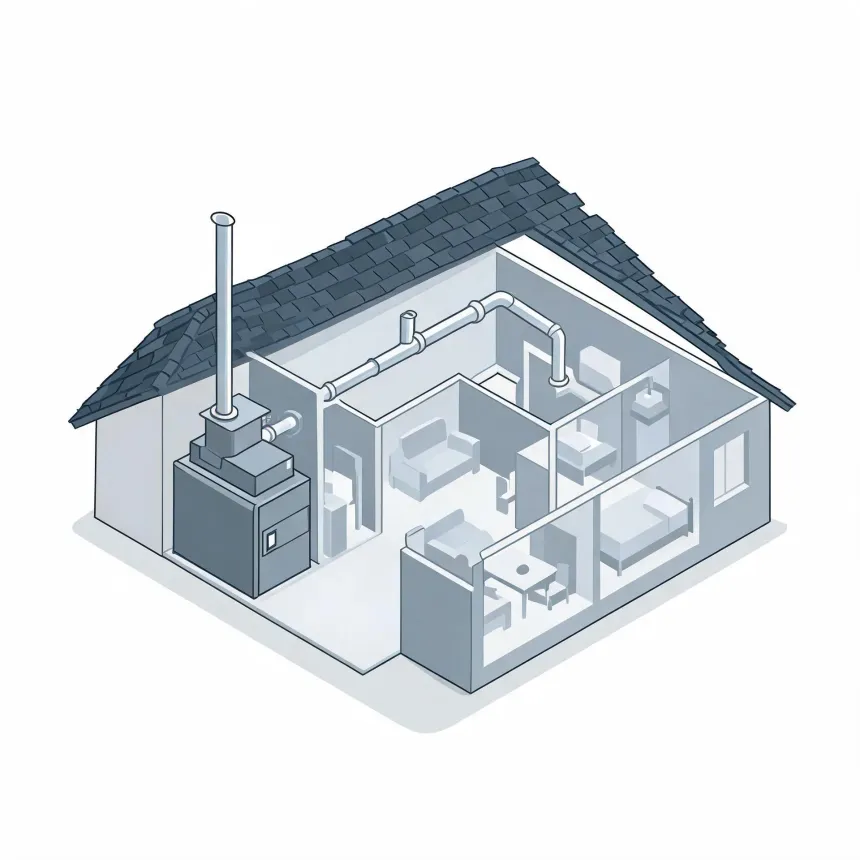
Install day starts with pulling the old furnace out, and that takes longer than putting the new one in if the venting or gas line needs rework to meet current code. The installer sets the new unit, connects the ductwork, runs the gas line or oil line, and vents it to the outside. Once it's in place, there's a combustion test, checking that the furnace is burning fuel cleanly and venting it where it should go instead of back into the house. The installer sets the airflow to match the ductwork already there, since too much or too little air across the heat exchanger shortens its life. Before they leave, the system should run a full cycle while you're there to watch, with the thermostat checked and the filter in place.