Oil runs expensive here
Fuel oil cost Connecticut homes $21.64 per million Btu in 2024. If your furnace runs on oil, that cost lands on every gallon the burner uses.
Takes about a minute. No obligation.
Fuel oil cost Connecticut homes $21.64 per million Btu in 2024. If your furnace runs on oil, that cost lands on every gallon the burner uses.
A furnace that wastes less heat per gallon costs less to run on oil than one that doesn't. Ask what AFUE rating the new unit carries before you decide.
NOAA 1991–2020 monthly normals
Oil heats more homes here than any other fuel, at 36 percent.
A new furnace that burns oil is a safe bet in this region, since the fuel lines and tank are often already in place.



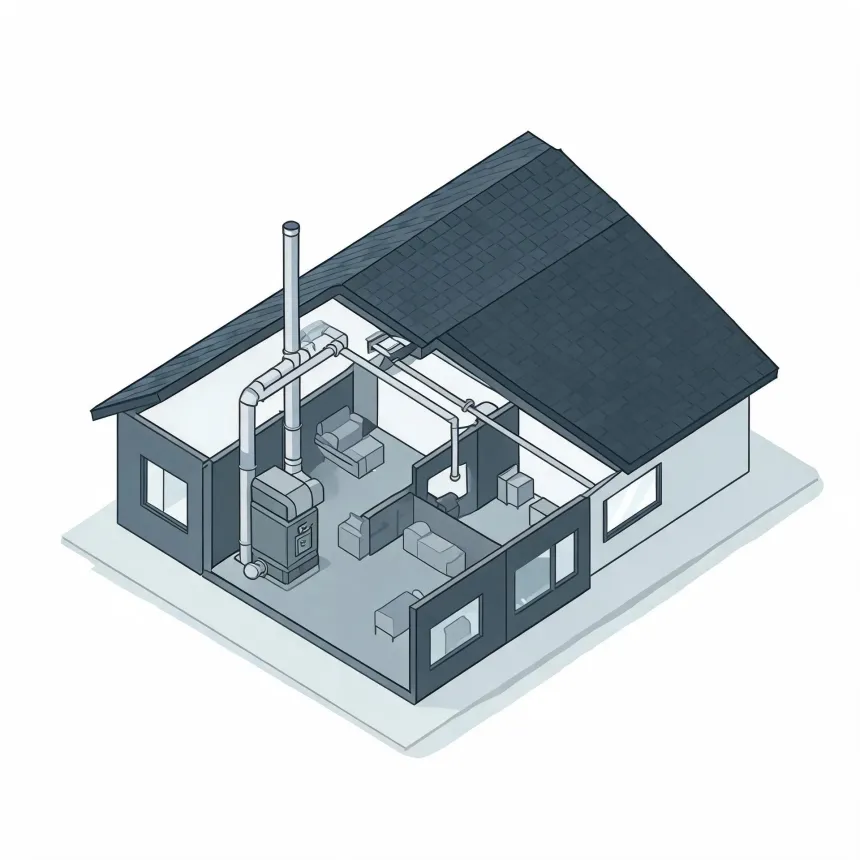
Half the homes in this part of Connecticut were built in 1971 or earlier. A furnace going into a house that age isn't going into a blank slate. The ductwork, the venting, the spot where the old unit sat, all of it was built around a different furnace, maybe decades ago. Whoever installs the new one has to size it to the house you actually have, not just swap in something similar. Get that sizing wrong and you end up with short cycling or a furnace that runs long and still can't keep up, and either way you pay for it on every gallon of oil.
A standard furnace, sized right for your house, is enough here. Nothing about Stamford's climate calls for a bigger unit or a premium model. About 20 percent of Connecticut households lost power for at least 24 hours in 2024. A furnace that's sized correctly and installed clean will come back on and run fine once the power does. Standard equipment just needs to go in right.
Find a contractor
This furnace runs about eight months a year here, October through May. That's most of the year, not a side season. Overnight lows average 22°F across December, January and February, so those eight months include some hard, sustained cold, not just mild stretches at the edges. A furnace sized right for your house keeps up through all of it without short cycling or running long to catch up.
A contractor works out furnace size from a heat loss calculation, room by room, using your windows, walls, insulation and layout. Square footage alone doesn't tell you enough. Houses the same size can need different furnace sizes depending on how they're built and how much glass they have.
A furnace too big for the house heats the air fast and shuts off before it finishes a full cycle. That short cycling wears the igniter and blower motor harder. Rooms farther from the furnace end up colder than the rest. An undersized furnace has the opposite problem, running long and still falling behind on the coldest days. Sized right, it just keeps up without either.
The AFUE number on the label tells you how much of the fuel a furnace burns actually turns into heat in your house, versus how much goes out the flue. A furnace rated higher keeps more of that heat instead of venting it outside. It's not a measure of how warm the air gets or how fast the furnace runs, it's a measure of waste. The rating is fixed to that model and doesn't change with how your house is built or how big the unit is. A high AFUE furnace that's sized wrong for your house still short cycles or runs long, the rating doesn't fix bad sizing. What it does tell you is how much of every gallon or every therm actually does work instead of disappearing up the vent.
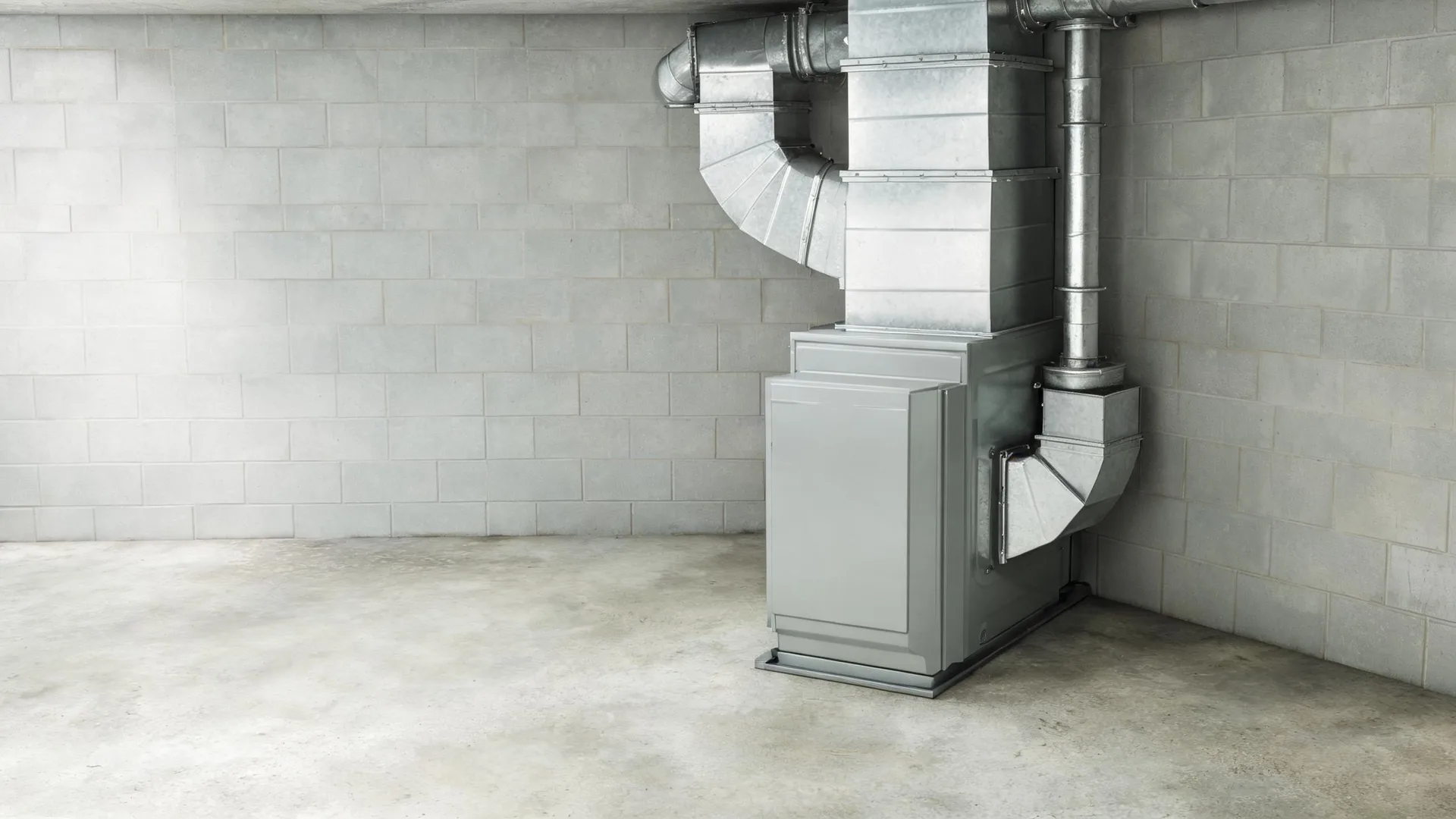
Installation day starts with the old furnace coming out, along with the vent pipe and any ductwork that doesn't match up with the new unit. The contractor sets the new furnace, connects it to the existing ducts or modifies them where the fit is off, and runs new venting if the old vent isn't rated for the replacement. Gas or oil lines get connected and checked for leaks before anything is fired up. Once it's in place, the contractor runs the furnace through a full cycle, checking airflow at the registers, checking the flue draft, and confirming the thermostat is talking to the unit correctly. The last step is combustion testing, making sure the furnace is burning clean and venting properly rather than just turning on. A furnace that passes all of that on day one is far less likely to call for a service visit in its first winter.