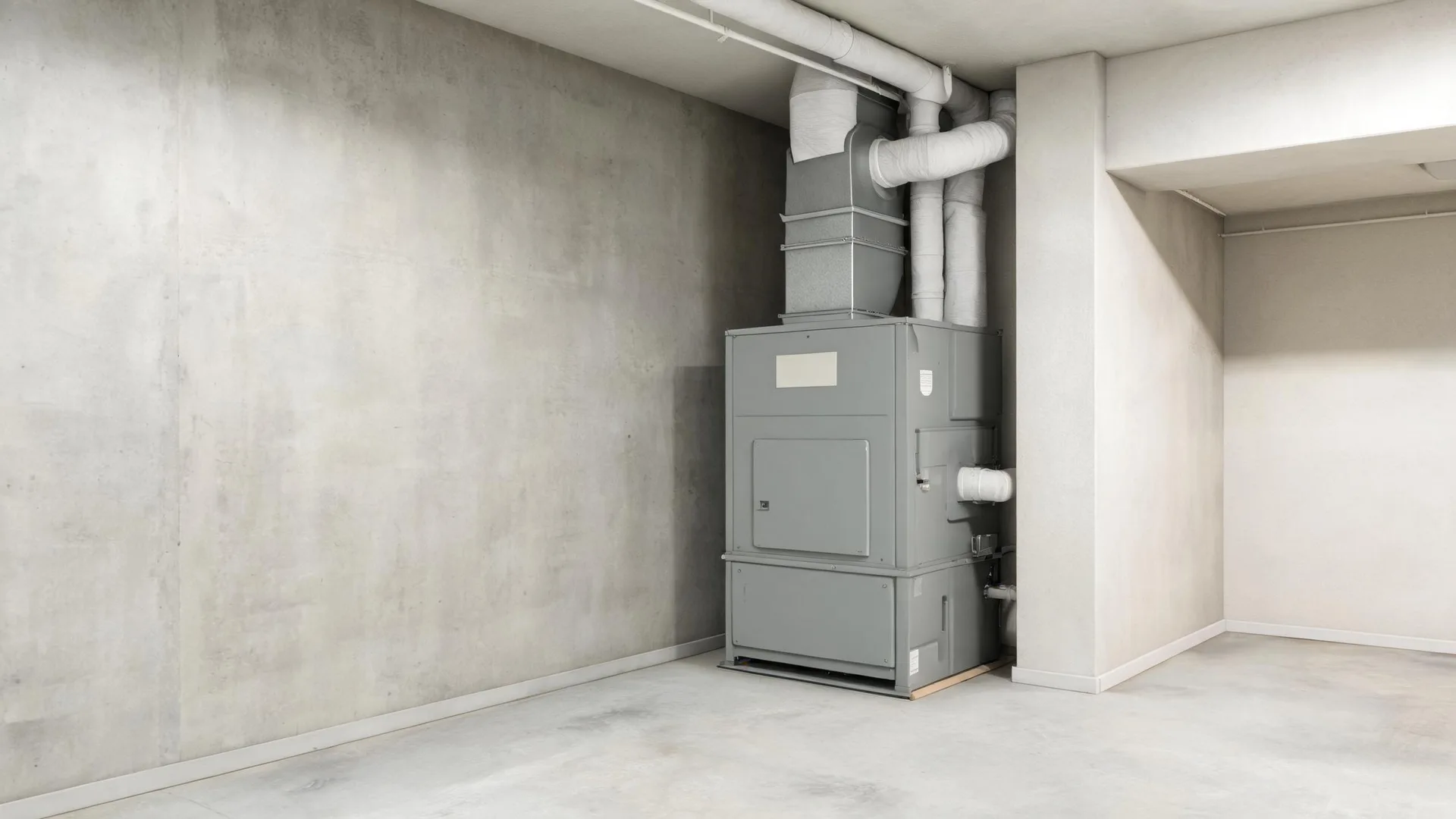
Gas is the common fuel here
Utility gas heats 46.1% of occupied homes in South Central Connecticut Planning Region, more than any other fuel. Fuel oil comes next at 29.8%, with electricity and propane behind that.
Takes about a minute. No obligation.
Utility gas heats 46.1% of occupied homes in South Central Connecticut Planning Region, more than any other fuel. Fuel oil comes next at 29.8%, with electricity and propane behind that.
If gas already runs to your house, a gas furnace replacement usually follows the existing line and vent path. If your system runs on oil or electric, ask what it would take to switch versus replacing what you have.

NOAA 1991–2020 monthly normals
Gas ran $16.36 per million Btu in Connecticut in 2024.
A standard size and efficiency furnace fits a New Haven home fine, with no local reason to size up or pay for extra efficiency.




Half the homes in the South Central Connecticut Planning Region were built in 1964 or earlier. A furnace going into one of those houses has to work with the ductwork and venting already there, not a layout drawn up for the equipment. Newer furnaces vent differently than old ones did, and the duct sizing that matched an old system does not always match a new one. None of that means your house is a problem. It means the install has to start with what's actually there, not with a spec sheet.
Heat goes on in October here and stays on through May. Replace the furnace in September and the install happens on your schedule, with time to sort out venting or duct questions before you need the heat. Wait until the first cold night and you're making those same decisions under pressure, possibly without heat while you wait.
Find a contractorHave the contractor look at the ductwork and venting before anything gets priced. In a house built around 1964 or earlier, that layout was sized for the furnace that used to be there, not the one going in now. Sometimes it carries over fine. Sometimes a duct run needs to change or the vent needs a different path out of the house. Either way, that's a walk-through question, not something to catch after the new unit is sitting in the basement.
The unit is priced by its heat output and how it handles exhaust, whether it pulls combustion air from inside the house or draws it from outside through sealed pipe. Beyond that, labor and materials for everything around it make up the rest of the job.
Running new vent pipe, resizing a duct run, or adding a condensate line where there wasn't one before all take time and material the furnace price doesn't include. A straight swap into the same footprint costs less than a job where the venting or ductwork has to change to fit the new unit.
Estimates for a typical New Haven home, from EIA household energy data, Connecticut fuel prices and NOAA climate normals. Your home will differ.
The old furnace comes out first, along with the old vent pipe if it's not staying. Once the space is clear, the new unit gets set, leveled, and connected to the ductwork, the gas line, and the vent. Electrical and any condensate drain for a high efficiency unit get run next. The contractor pressure tests the gas connection and checks the vent draft before anything gets fired up. Once it's running, they check the temperature rise through the furnace and the airflow at the registers to confirm it matches what the unit is rated for, then walk through the thermostat and filter location before they leave.