


Heat pump vs furnace in Southeastern Connecticut Planning Region, Connecticut

Compare Real Quotes

For homes in Connecticut

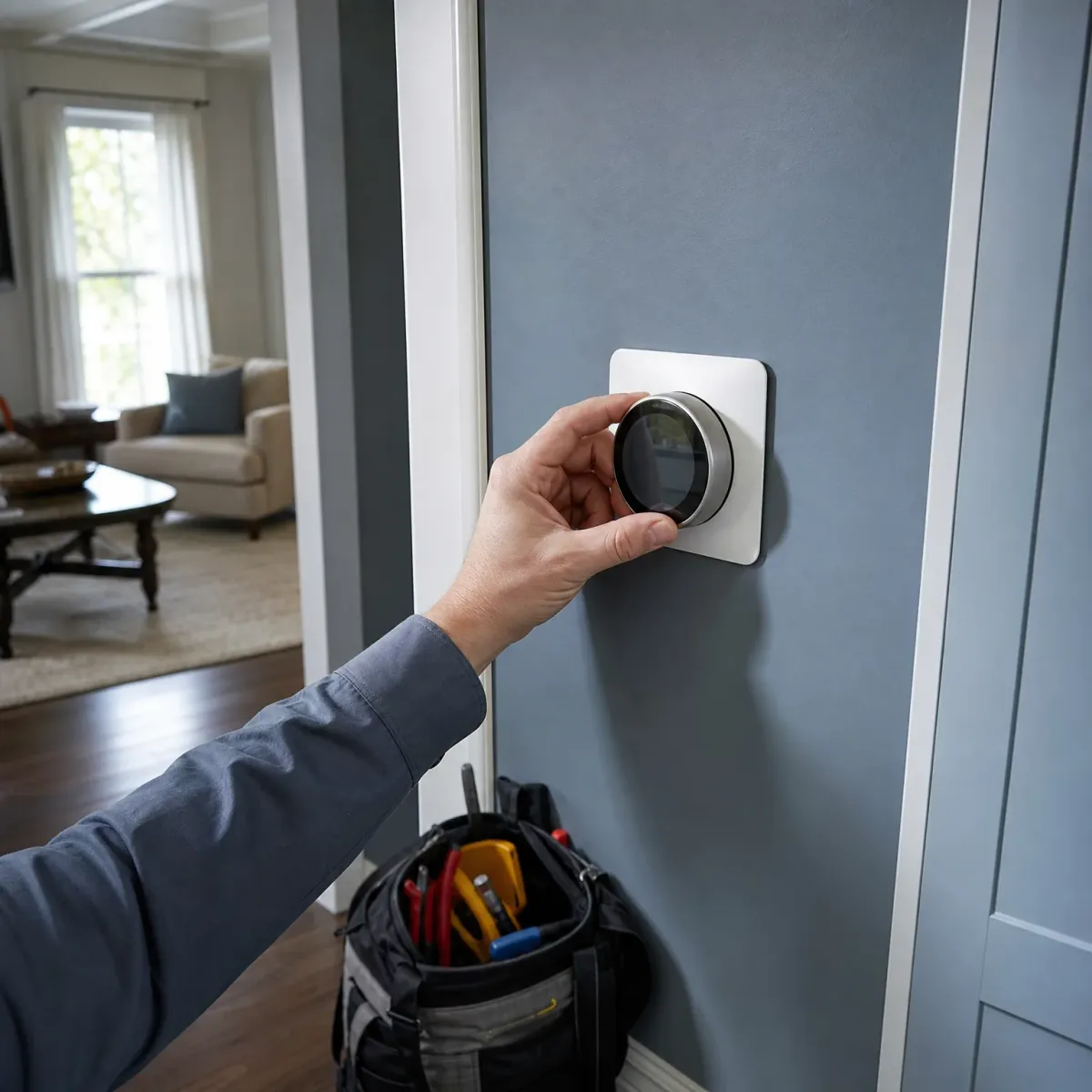
A person's hand adjusts a round thermostat on a blue-gray interior wall, with a tool bag on the floor below and a living room visible through a doorway.

Tell us about the job

Takes about a minute. No obligation.

New system or replacementSoutheastern Connecticut Planning Region, CT
Step 1 of 3

What kind of equipment?

Which costs less to run in Southeastern Connecticut Planning Region?

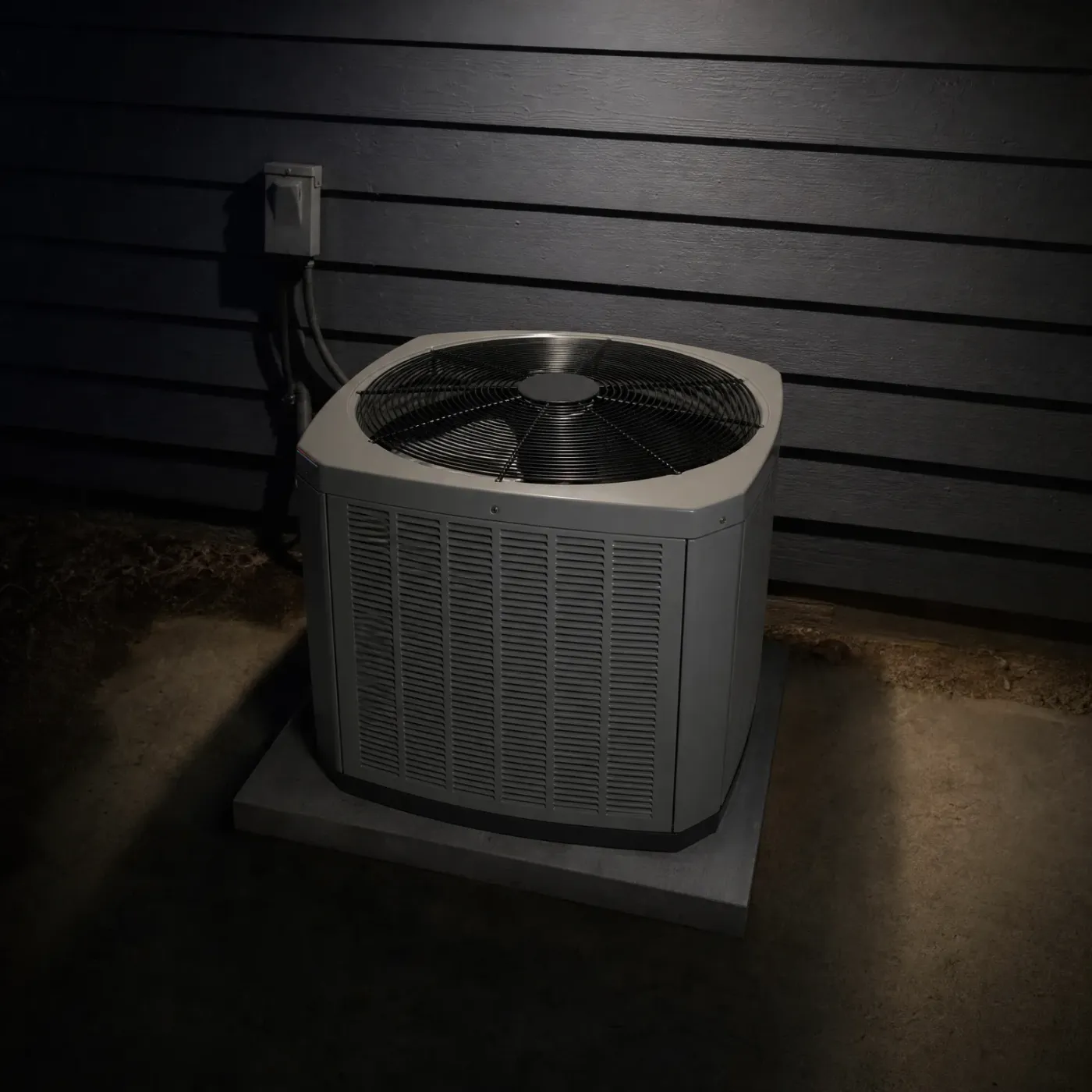
A gray outdoor condenser unit with a top-mounted fan grille sits on a concrete pad beside a dark horizontal lap-sided wall, with a small electrical disconnect box and conduit on the wall behind it.

Heat pump

To heat your home here$3.83per 100,000 Btu

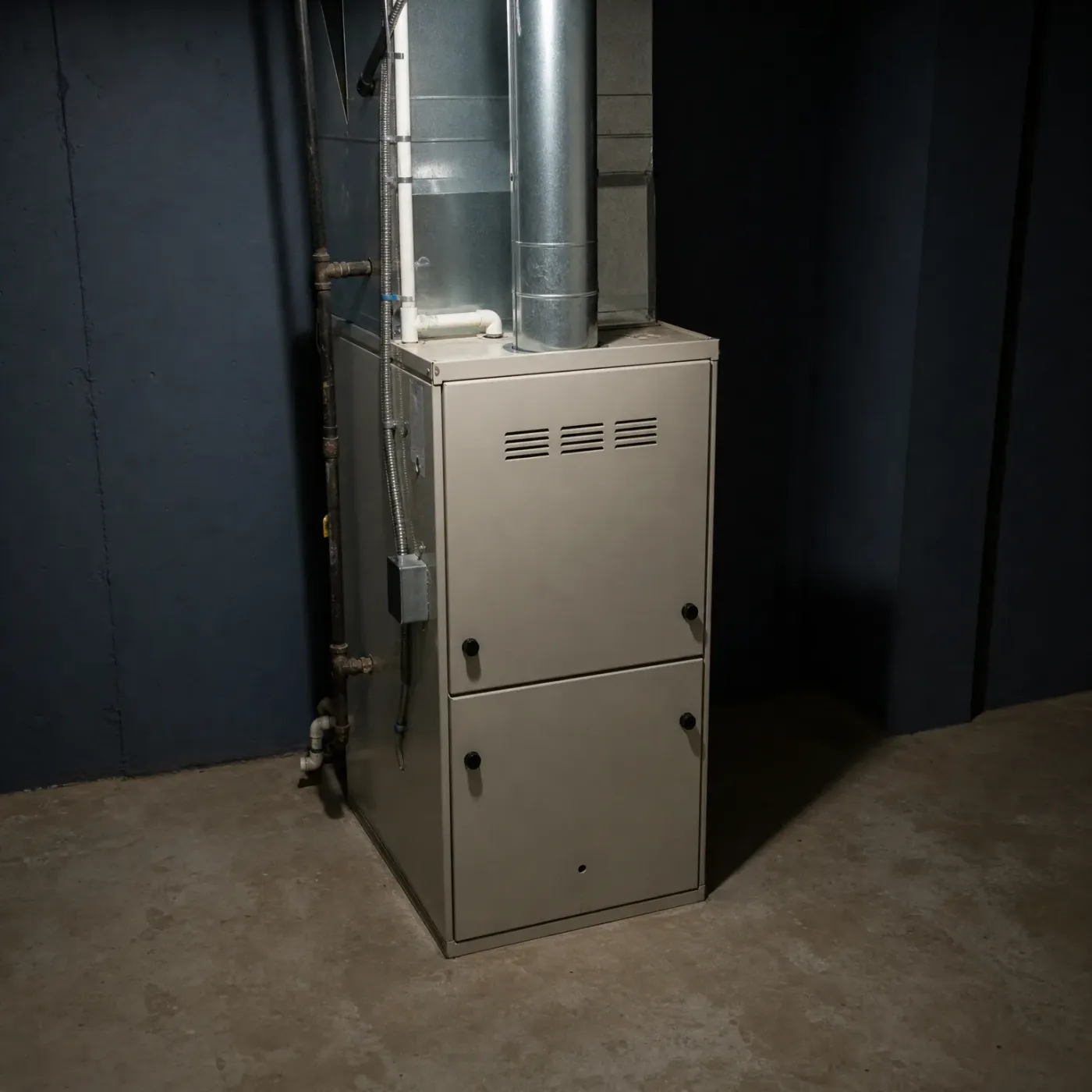
A beige residential furnace stands in a basement corner against dark painted walls, with a metal flue pipe, rectangular ductwork, PVC piping and copper pipes running above and beside it on a bare concrete floor.

Furnace

To heat your home here$2.04per 100,000 Btu

At Connecticut's gas and electricity prices, a gas furnace makes the same heat as a heat pump for at least 46% less.

Btu stands for British thermal unit, the standard measure of heat energy.

Where does a heat pump shine?

  • Steady, even comfort

    A heat pump runs long and low instead of blasting on and off. Rooms hold an even temperature all day.

    A living room with a gray upholstered armchair holding an open book and a throw blanket, a lit lamp and mug on a side table, a golden-colored dog sleeping in a round gray bed beside a stone fireplace, and a snowy view through the window.
  • No gas line, nothing burning in the house

    It moves heat instead of making it from fire. That means no combustion, no flue and no gas bill for heat.

    A kitchen island with a white countertop holding a stainless steel whistling kettle on a black cooktop, a dark gray mug, and a glass vase with a green plant, with gray cabinets, a window showing water and trees, and wooden boards and bowls on the back counter.
  • Heats and cools in one system

    Winter and summer are covered by the same outdoor unit. That's one machine to service instead of two.

    A living room with a grey sofa and blue throw blanket beside a large window framed in dark grey with a Roman shade, looking onto green trees and flowering shrubs, with a wooden side table, lamp, woven basket, and a coffee table holding white hydrangeas and a mug.

Where does a furnace shine?

  • Fast, strong heat on demand

    A furnace pushes out hot air within minutes of switching on. A cold house warms up fast.

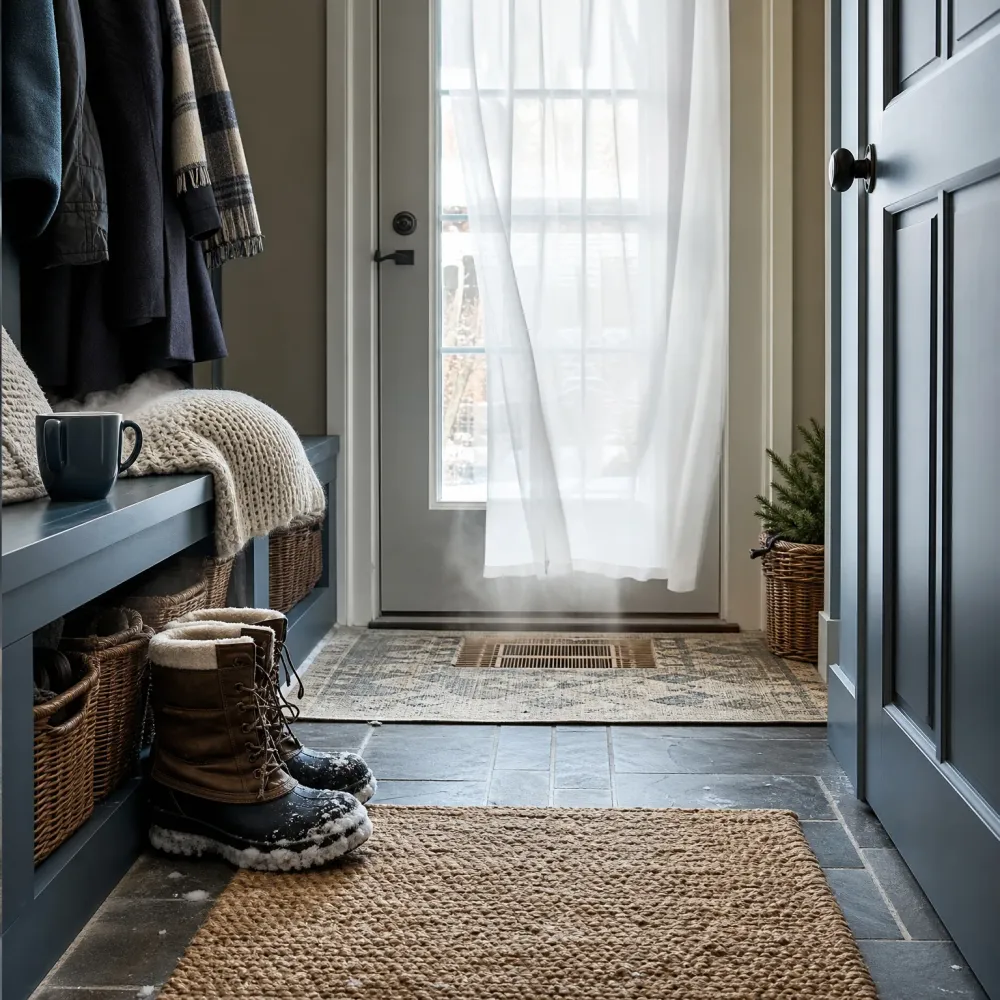
    Interior entryway with slate tile floor, a jute rug, snow-dusted winter boots, a gray bench with knit blanket and mug, hanging coats and a scarf, woven baskets, a small potted evergreen, and a glass door with sheer curtain.
  • Proven, simple, easy to get serviced

    Gas furnaces have heated homes for generations. Almost every HVAC tech knows them inside and out.

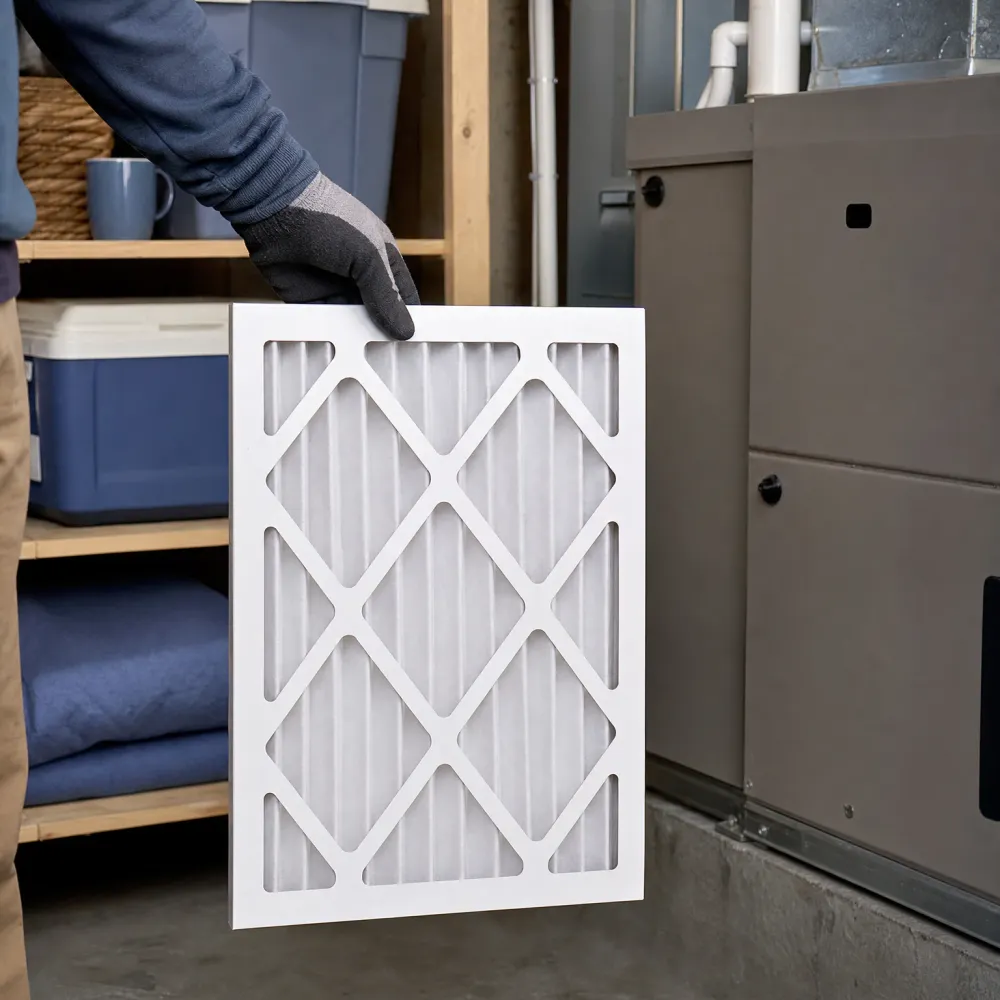
    A gloved hand holds a white pleated air filter in front of a furnace in a basement or garage with shelving and storage bins in the background.
  • Pairs with any central AC

    The ductwork that delivers heat in winter delivers cool air in summer once an AC coil is added.

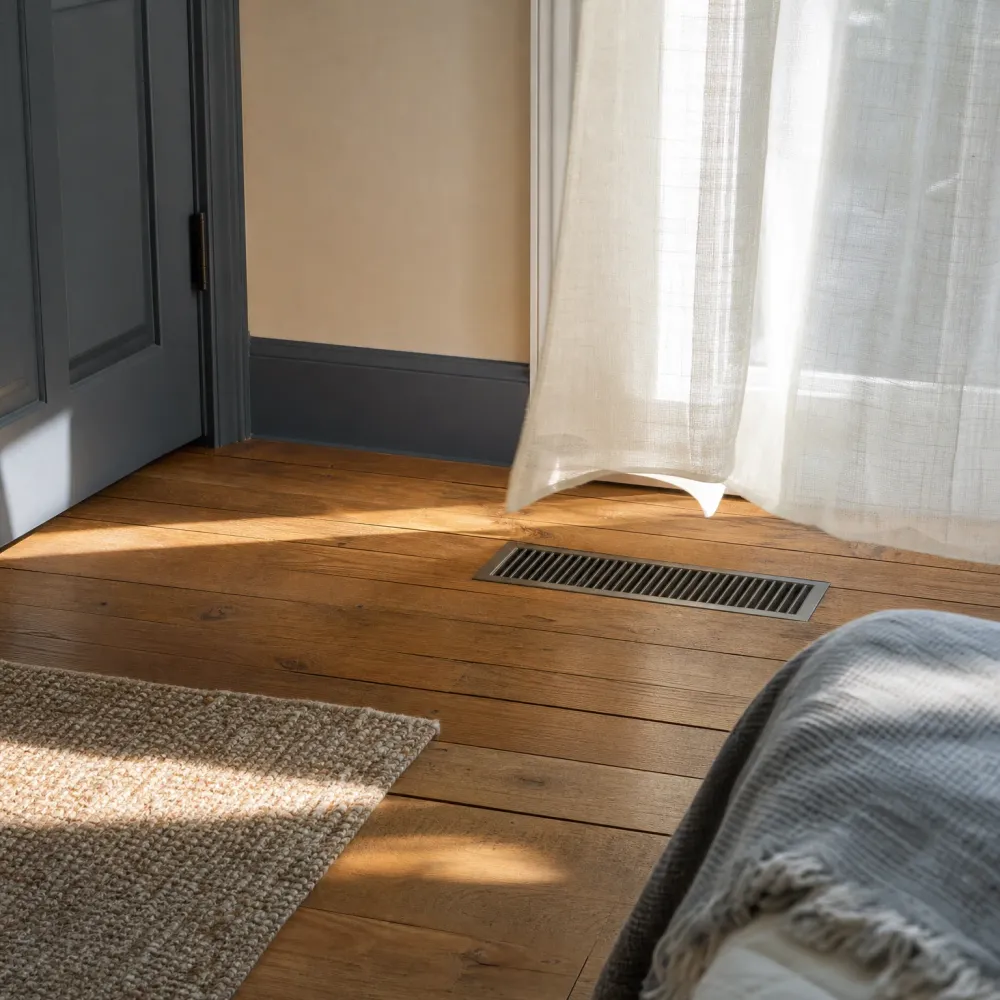
    Sunlit wood plank floor with a metal floor air vent, a woven rug at lower left, a gray-painted open door at left, and a sheer white curtain at upper right.

Why winter decides this

Heat runs eight months a year here, October through May. That is the season that matters, because a heat pump and a furnace behave differently once the temperature drops. Below 40°F, a standard heat pump puts out less heat than its rating says. Below about 35°F, it often needs backup heat to keep up. The average overnight low here in December, January and February is 24°F, below both of those marks.

About 115 nights a year here drop to freezing or below, roughly half the nights across the whole stretch the heat runs. Every one of those nights sits below the point where a standard heat pump starts to lose capacity. Only about 2 nights a year reach 0°F, so the deepest cold is rare. The kind of cold that cuts into a heat pump's output is not rare here. It is about half the winter.

A furnace does not have that problem. It burns fuel to make heat, so it delivers the same output whether it is 40°F outside or colder. For a house here, that means a furnace holds its full capacity on exactly the nights a standard heat pump loses some of its own.

None of this rules out a heat pump. One built to carry the ENERGY STAR Cold Climate label is tested to hold at least 70 percent of its 47°F capacity at 5°F, and still make more heat than the electricity it uses at that temperature. A two-winter field test of prototype cold-climate models found backup heat covered only a small share of what was needed between 0°F and 35°F, and the units rarely ran on backup alone even above 0°F. A standard heat pump and a cold-climate heat pump are not the same purchase here. If a heat pump is on the table for this house, which kind it is matters more than almost anything else in this decision.
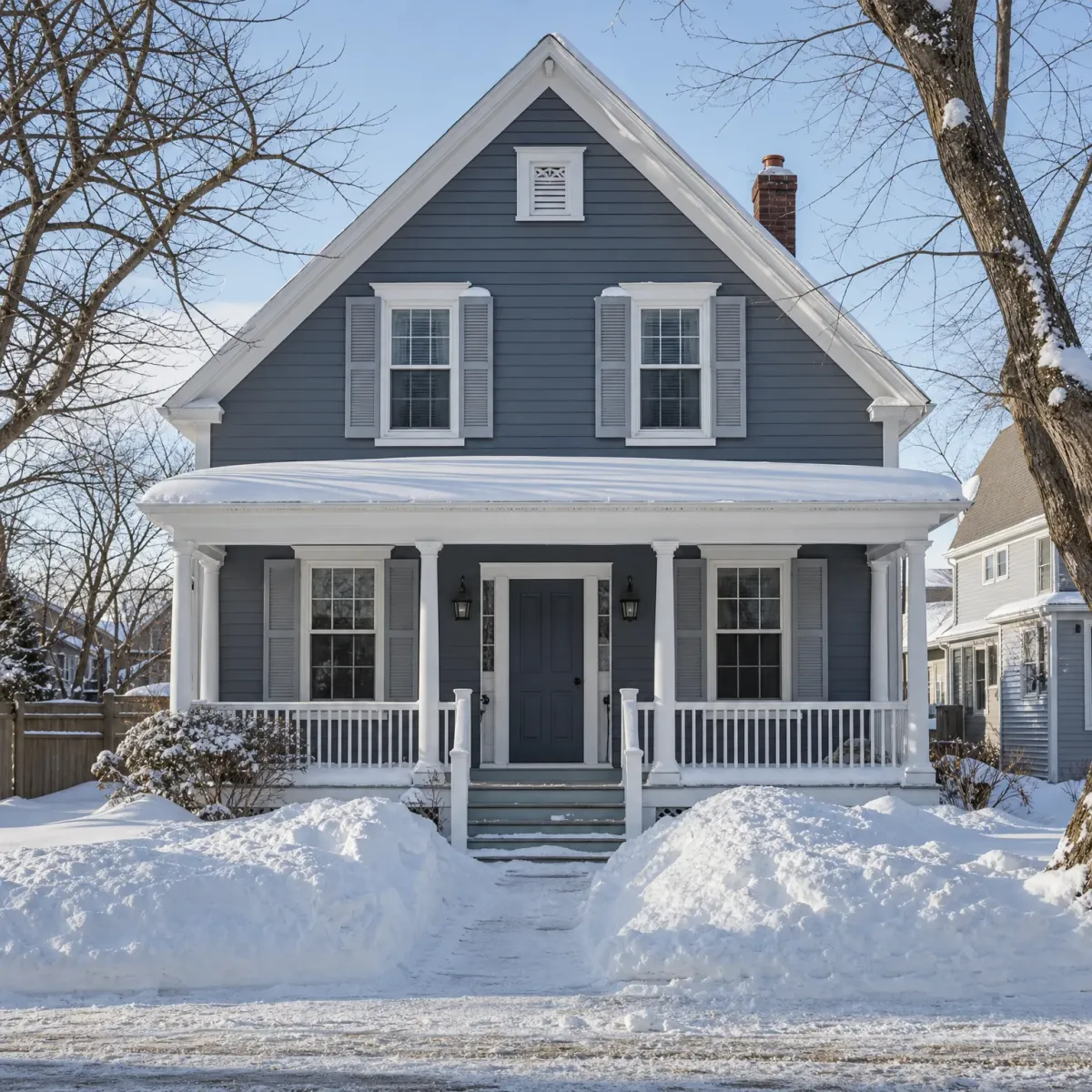
A two-story gray clapboard house with white trim, a covered front porch, shuttered windows and a brick chimney, surrounded by deep snow and bare trees under a clear sky.

What each one costs to run

At Connecticut's prices, a gas furnace makes 100,000 Btu of heat for $2.05. An oil furnace makes the same heat for $2.61. A heat pump, figured at its federal minimum rating with nothing added for backup heat, costs $3.83. Gas is cheapest, oil is next, and the heat pump runs behind both.

Which of those applies to a given house here depends on what it is already set up for. Oil heats about half the homes in this region, gas a little under one in five, and electricity about one in five. A house already piped for gas is comparing $2.05 to $3.83. A house that heats with oil is comparing $2.61 to $3.83. Either way the furnace wins on running cost, though a heat pump built to the Cold Climate standard will close part of that gap, since it keeps making heat efficiently in the cold instead of leaning on backup.

Cooling is where the comparison changes. A furnace only heats. For the three months a year this region runs cooling, June through August, a furnace sitting in the basement does nothing, and the house needs a separate air conditioner. A heat pump heats and cools with the same equipment, so its cost has to be weighed against running a furnace plus a central AC, not against the furnace alone.

So the choice here comes down to what the house is already built around. A gas or oil furnace costs less to run through the eight months the heat is on, and the region's winters are cold enough, often enough, that a standard heat pump will lean on backup heat on many of those nights. A furnace paired with central air keeps that running-cost edge through the whole year. A heat pump, especially a cold-climate model, trades some of that edge for one system that handles both seasons instead of two.

Sources: NOAA 1991–2020 seasonal normals · NOAA 1991–2020 monthly normals · PNNL Building America guide · PNNL-37127 field study · ENERGY STAR product criteria · EIA SEDS 2024 · 10 CFR 430.32 · Census ACS 2020–2024

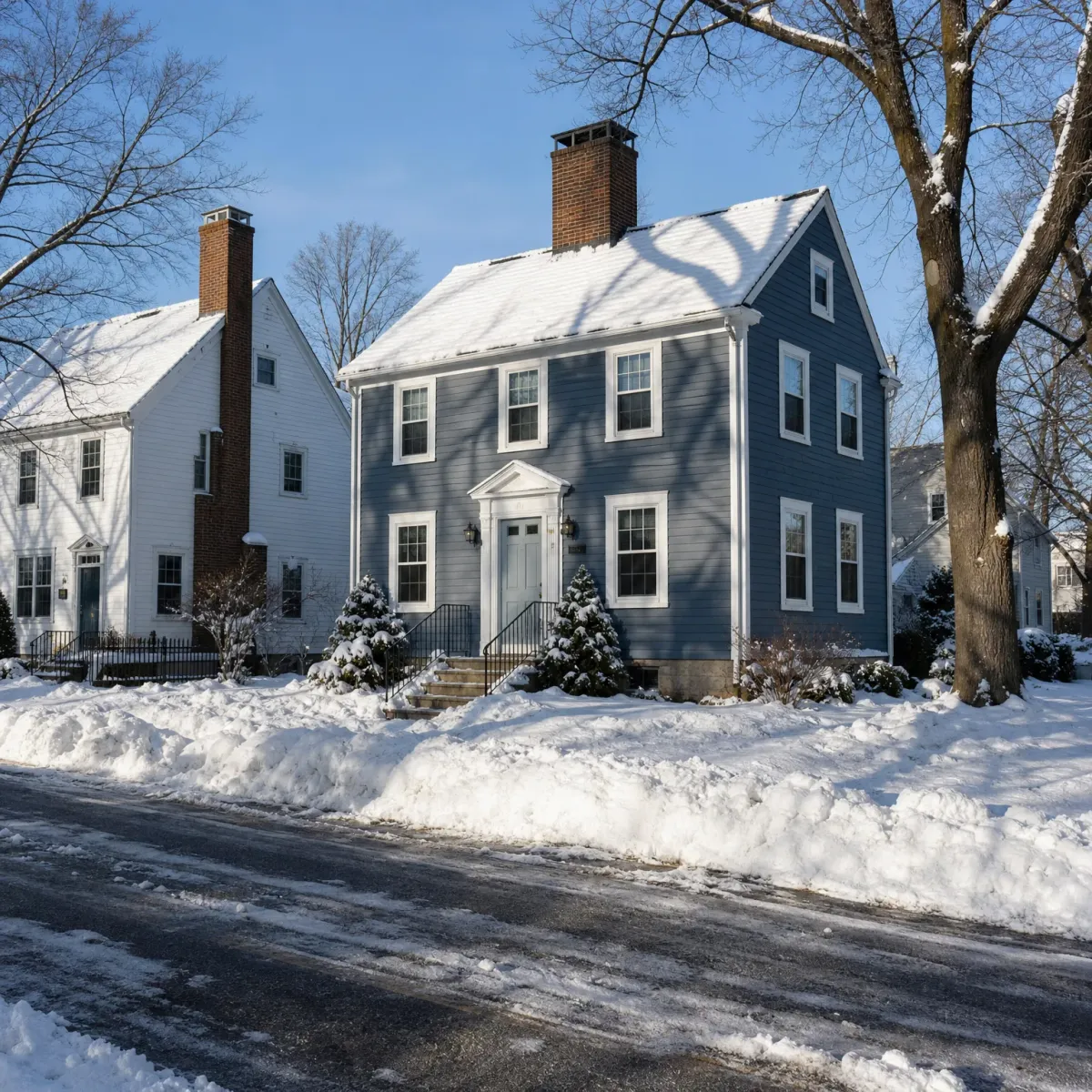
A blue clapboard two-story house with a brick chimney and snow-covered roof stands beside a white house, with plowed snowbanks along a wet street and bare trees under a clear sky.

Common questions about heat pumps and furnaces

  • Can a heat pump heat a house through a Connecticut winter?

    Yes, but a standard heat pump needs help doing it. Below 40°F its heat output falls short of its rating, and below about 35°F it often needs backup heat, and the average overnight low here in December, January and February is 24°F. About half the nights during the 8 months the heat runs here drop to freezing or below, which is why the running-cost figure for the heat pump doesn't include what backup heat adds on those nights. A heat pump built to the ENERGY STAR Cold Climate spec is tested to hold most of its capacity down to 5°F, which is a different machine than the federal-minimum one the running-cost band prices.

  • What if my house doesn't have a gas line?

    Without a gas line, the real choice is a heat pump against an oil furnace, and oil comes out cheaper to run here: $2.61 per 100,000 Btu against $3.83 for a heat pump at the federal minimum. Electric resistance heat costs more than both, since it turns electricity straight into heat with none of the multiplying a heat pump gets from moving heat instead of making it. Oil heats about half the homes in this region, so for a lot of houses here this is the comparison that matters, not the one against gas.

  • What if my house heats with oil or propane?

    An oil furnace built to the federal minimum makes 100,000 Btu of heat here for about $2.61, cheaper than a heat pump's $3.83 figured the same way. Oil heats about half the homes in this region, so this is the comparison most people switching from oil actually face. A gas furnace still comes in lower than both, at $2.05, but that only matters if your house has a gas line to switch to.

  • Is a heat pump cheaper to run than a furnace in Southeastern Connecticut Planning Region?

    No. A gas furnace makes 100,000 Btu of heat here for about $2.05, a heat pump for about $3.83, so the furnace is cheaper to run at Connecticut's prices. The heat pump's number is its federal minimum efficiency with nothing added for backup heat, which it leans on through much of the winter here. An oil furnace lands in between, at $2.61, still cheaper than the heat pump.