



Heat pump vs furnace in Greater Bridgeport Planning Region, Connecticut

Find a Pro Near You

Quotes on either system

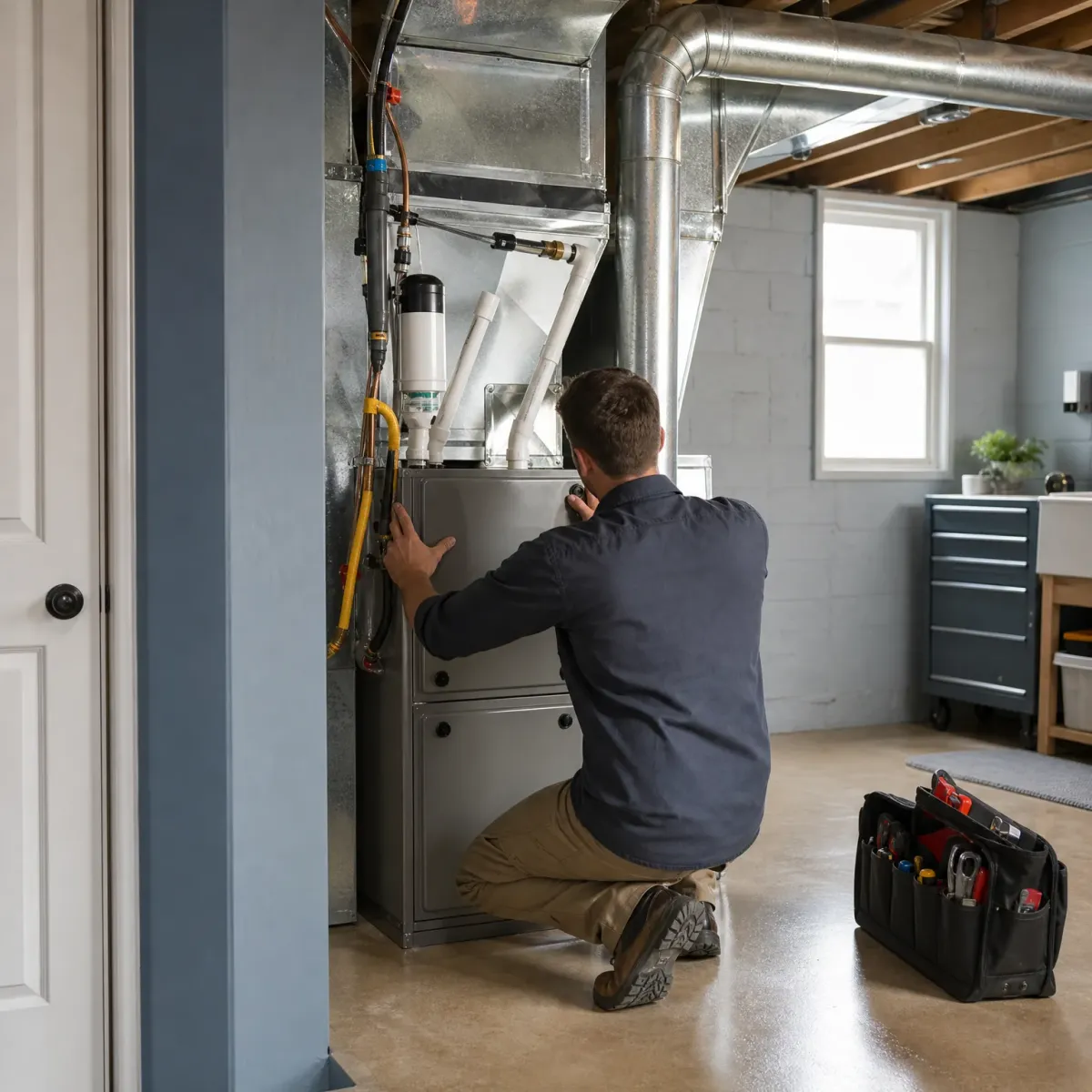
A man kneels beside a furnace in a basement with overhead metal ductwork, with an open tool bag on the floor to his right.

Tell us about the job

Takes about a minute. No obligation.

New system or replacementGreater Bridgeport Planning Region, CT
Step 1 of 3

What kind of equipment?

Which costs less to run in Greater Bridgeport Planning Region?

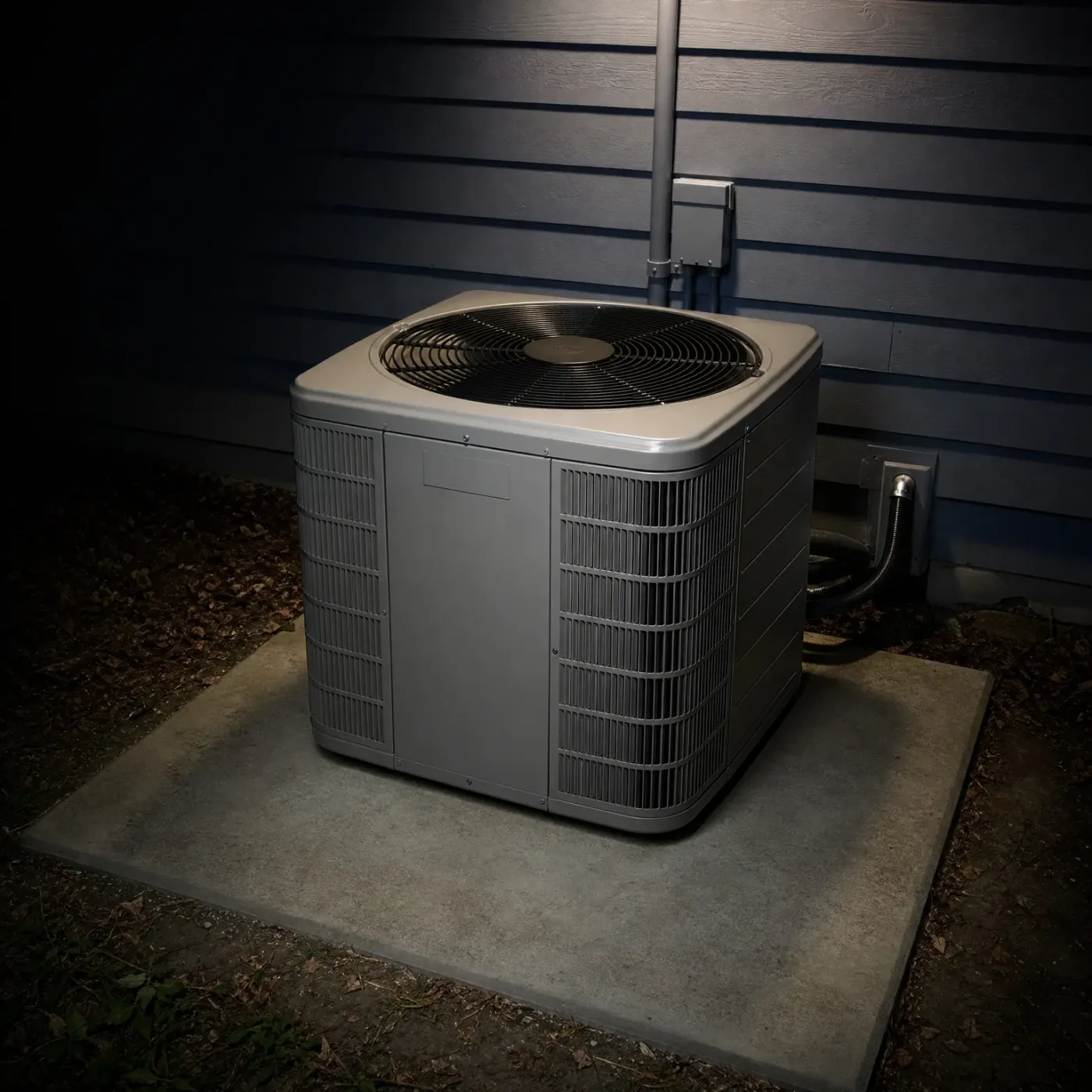
A gray outdoor air conditioning condenser unit on a concrete pad beside a dark horizontal-lap sided house at night, with a conduit, electrical box, and refrigerant lines running into the wall.

Heat pump

To heat your home here$3.83per 100,000 Btu

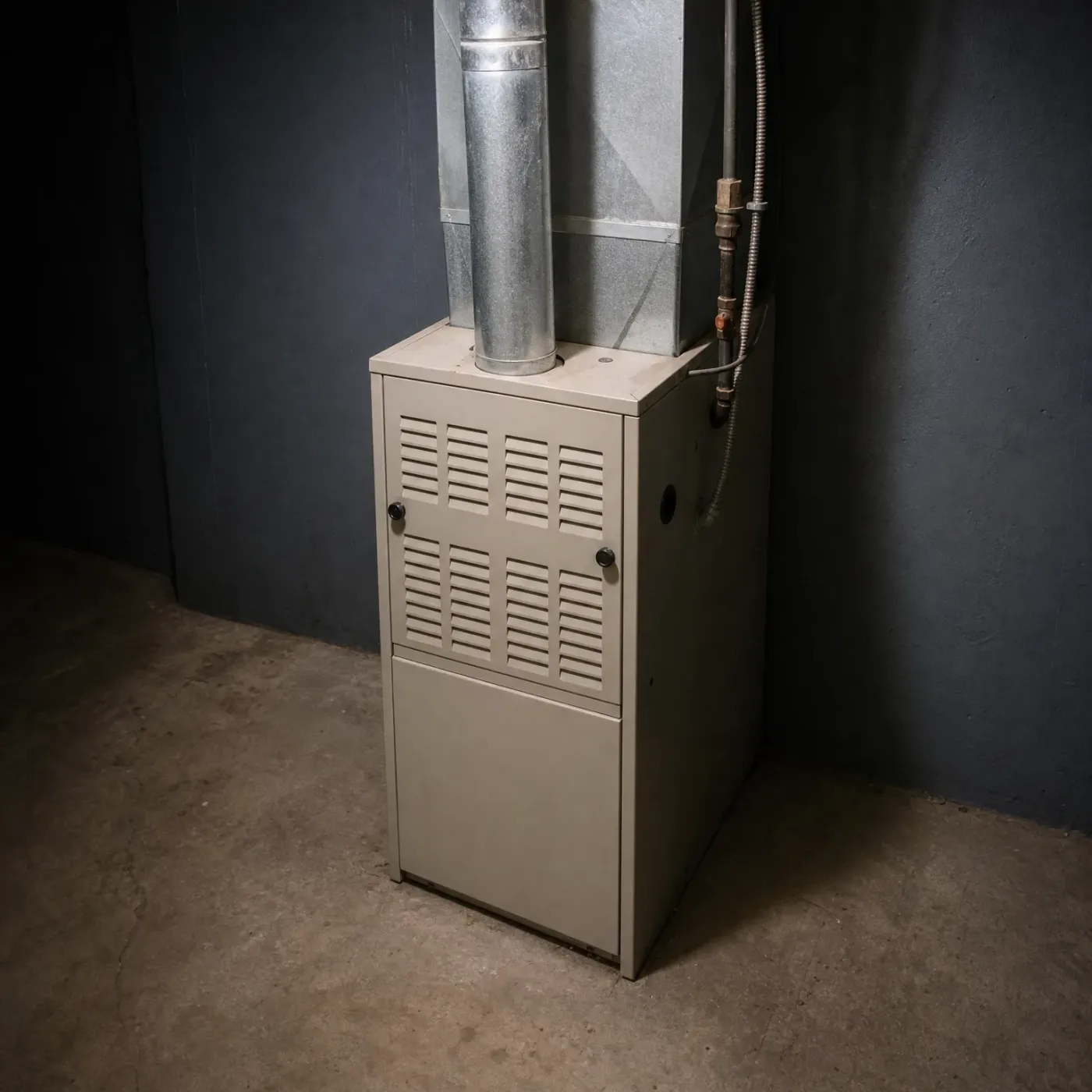
A beige sheet-metal furnace with louvered front panels stands on a concrete floor against a dark gray wall, with galvanized ducting and a flexible metal conduit and pipe running up from its top.

Furnace

To heat your home here$2.04per 100,000 Btu

At Connecticut's gas and electricity prices, a gas furnace makes the same heat as a heat pump for at least 46% less.

Btu stands for British thermal unit, the standard measure of heat energy.

Where does a heat pump shine?

  • Heats and cools in one system

    One machine handles the heat in winter and the cooling in summer. There's no second system to buy or keep up.

    A cream sofa with navy and light blue cushions and a blue fringed throw sits beneath a white sash window overlooking a green garden, with a dark built-in bookshelf at left, a potted plant in a woven basket at right, and a wooden coffee table holding a vase of white flowers, books, and a mug.
  • No gas line, nothing burning in the house

    A heat pump runs on electricity alone. Nothing burns inside the house.

    A kitchen with light blue upper cabinets, dark navy lower cabinets and island, white subway tile backsplash, a stainless kettle on a cooktop, a wooden bowl of lemons on the island, and three gray upholstered stools with wooden legs.
  • Steady, even comfort

    A heat pump runs long and low instead of blasting on and off. Rooms hold an even temperature all day.

    A living room with a lit wood-burning stove, a grey armchair with a plaid throw and open book, a lamp on a small side table, glass doors showing a frosty dusk view, and a tan dog sleeping on a woven rug.

Where does a furnace shine?

  • Runs on the gas most homes here already use

    Most homes in this region already have a gas line in for heat, so a gas furnace uses the fuel source that's already there. No new fuel hookup to plan for, just a furnace tied into the gas line your house was likely built with.

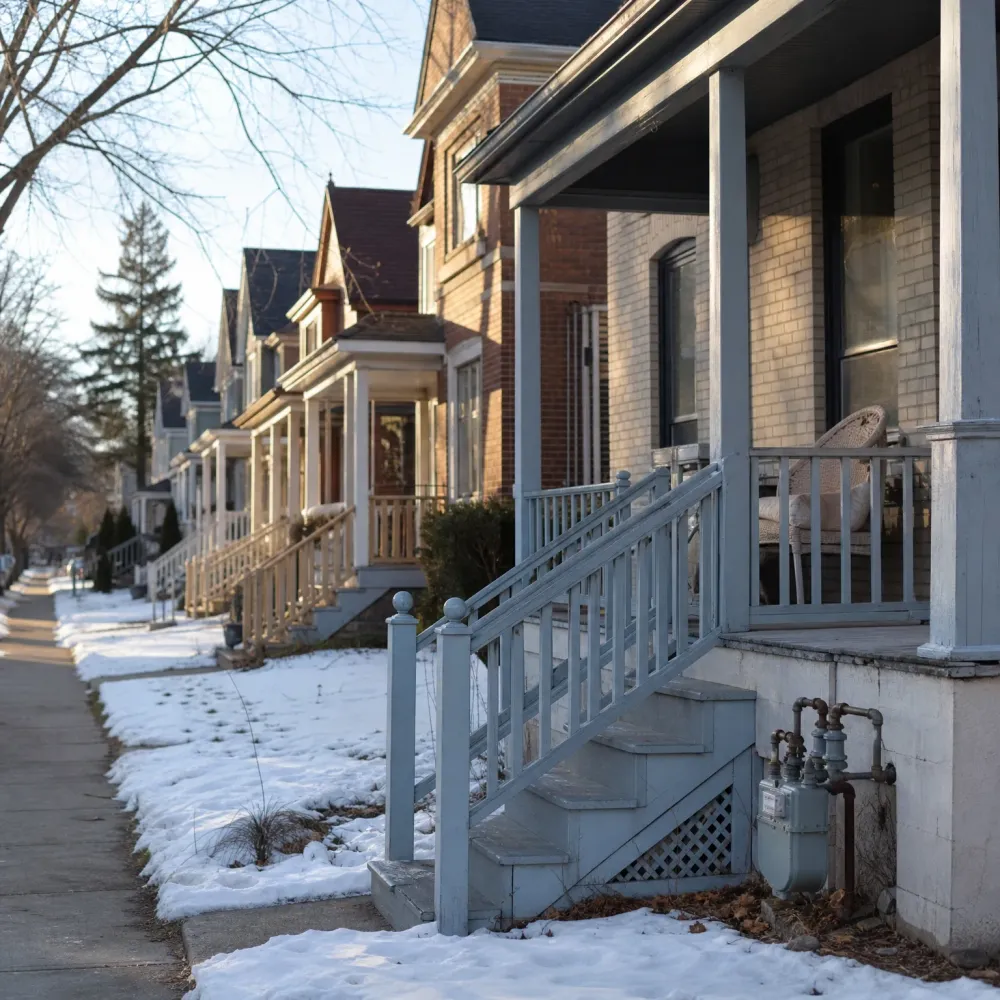
    A row of brick houses with covered front porches and painted wooden steps along a snow-patched residential street, with a gas meter and piping beside the nearest porch foundation.
  • Pairs with any central AC

    A furnace's blower and ducts carry cooled air too. Adding central AC uses the same system.

    A wooden floor vent register set in a hardwood floor near a window with sheer white curtains, with a woven basket planter on the left and a patterned rug on the right.
  • Fast, strong heat on demand

    The air coming from the vents feels genuinely hot. That's welcome on a freezing morning.

    Entryway with a dark blue paneled door with glass panes showing snow and conifers outside, a sheer white curtain by a window, a wooden bench with pillows and a steaming mug, a floor vent, a jute rug on slate tile, and boots lined up along the wall.

What winter here actually asks of a heat pump

Your heat runs eight months a year here, October through May, longer than almost anything else you own gets used. The overnight low averages 26°F in December, January and February, and that number matters more than it sounds like it should. A standard heat pump starts losing ground below 40°F and often needs backup heat below about 35°F. At 26°F average, you are not flirting with that line, you are living under it most of the winter.

About 100 nights a year here drop to freezing or below. Every one of those nights falls below both marks, the 40°F point where heat output starts falling short of the rating and the 35°F point where backup heat often kicks in. That is not a cold snap, that is roughly a third of the year the furnace runs. Only about one night a year reaches 0°F, so the deep cold is rare, but mild cold is not. It is the normal nightly low all winter.

This is less of a problem than it used to be. A heat pump that carries the ENERGY STAR Cold Climate label has to prove, in third-party testing, that it still makes at least 1.75 units of heat per unit of electricity at 5°F and holds on to 70 percent of its 47°F capacity at that temperature. A field test of prototype cold-climate models over two winters found backup heat covered only a small share of the heat needed between 0°F and 35°F, and the units rarely ran on backup alone above 0°F. The old worry about a heat pump leaving you cold at 26°F is mostly a worry about the wrong heat pump. A cold climate model is built for exactly this low.
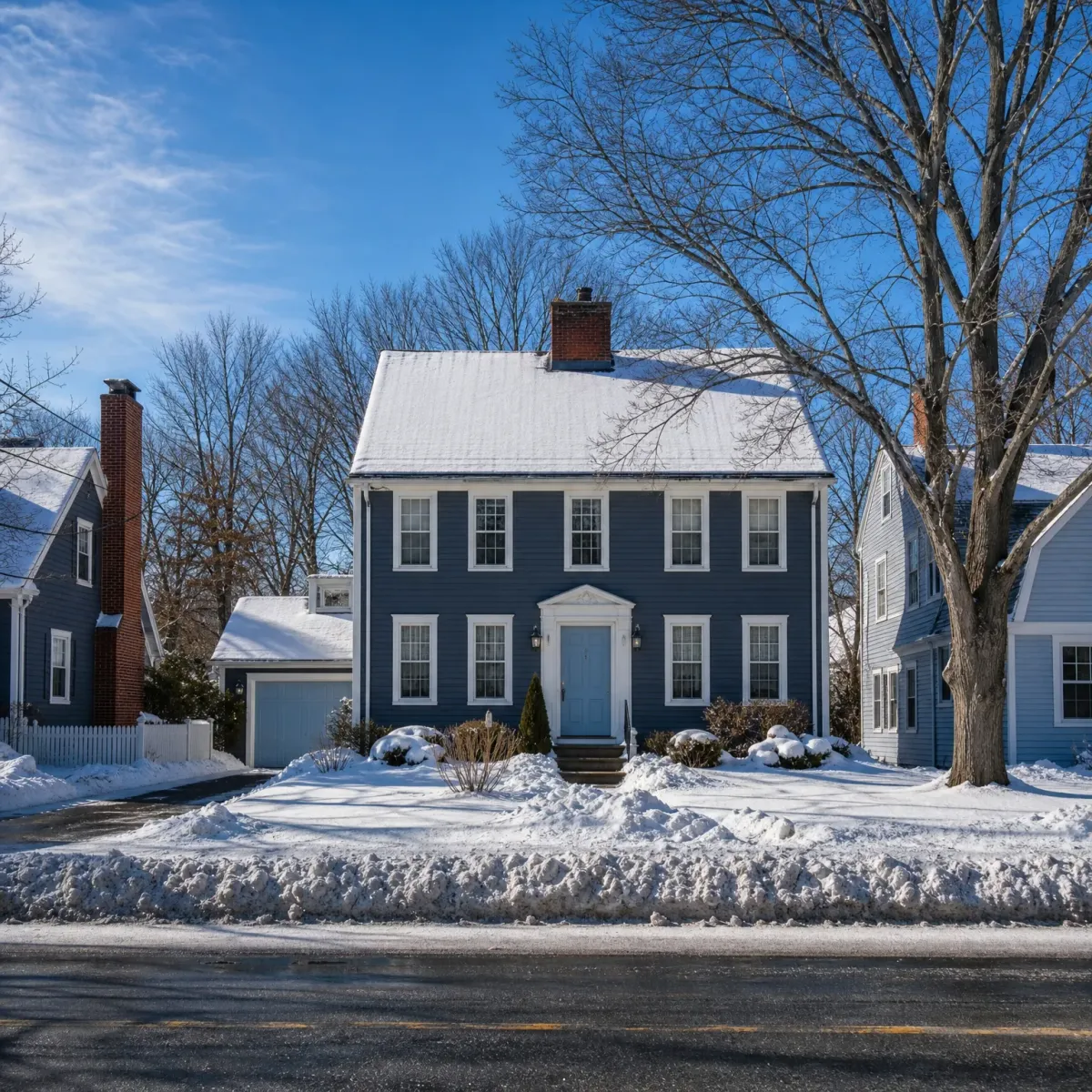
A two-story dark blue clapboard colonial house with white trim, a brick chimney and attached garage, fronted by snow-covered ground and a cleared road, with bare trees and neighboring houses under a clear blue sky.

What it costs to run, and what to weigh against that

On running cost alone, the order here is not close. A gas furnace makes 100,000 Btu of heat for $2.05 at Connecticut's prices. An oil furnace does it for $2.61. A heat pump, figured at its federal minimum rating with nothing added for backup heat, costs $3.83, at least 46 percent more than gas. If your house already has a gas line, that is the cheapest heat available to you in this county, and over eight months of winter the gap compounds every month you run it.

Gas is also the fuel most of your neighbors already use. Utility gas heats 57.4 percent of homes in this region, oil heats 23 percent, and electric resistance or heat pumps account for 13.7 percent. That split exists because gas has been both available and cheap here, and the 2024 price data says it still is, $16.36 per million Btu against $84.25 for electricity.

The case for a heat pump has to come from somewhere other than the monthly bill, because the bill favors gas or oil every time at these prices. It comes from summer. A heat pump is also your air conditioner, run in reverse, so you are buying one system instead of two. Cooling here runs about four months, June through September, shorter than the eight months of heat, but it is a real season, and a furnace has no answer for it at all, it sits idle outside its eight months. A furnace still needs a separate AC system paired to it. Whether that combined cost and convenience is worth $1.78 more per 100,000 Btu all winter is the real question here, and it depends on what you already have. If your house already has a gas line and ductwork sized for a furnace, gas is the cheaper path. If you are choosing central air anyway, a cold climate heat pump gets you both for one piece of equipment, at a running cost premium you can now put a number to.

Sources: NOAA 1991–2020 seasonal normals · NOAA 1991–2020 monthly normals · PNNL Building America guide · PNNL-37127 field study · ENERGY STAR product criteria · EIA SEDS 2024 · 10 CFR 430.32 · Census ACS 2020–2024

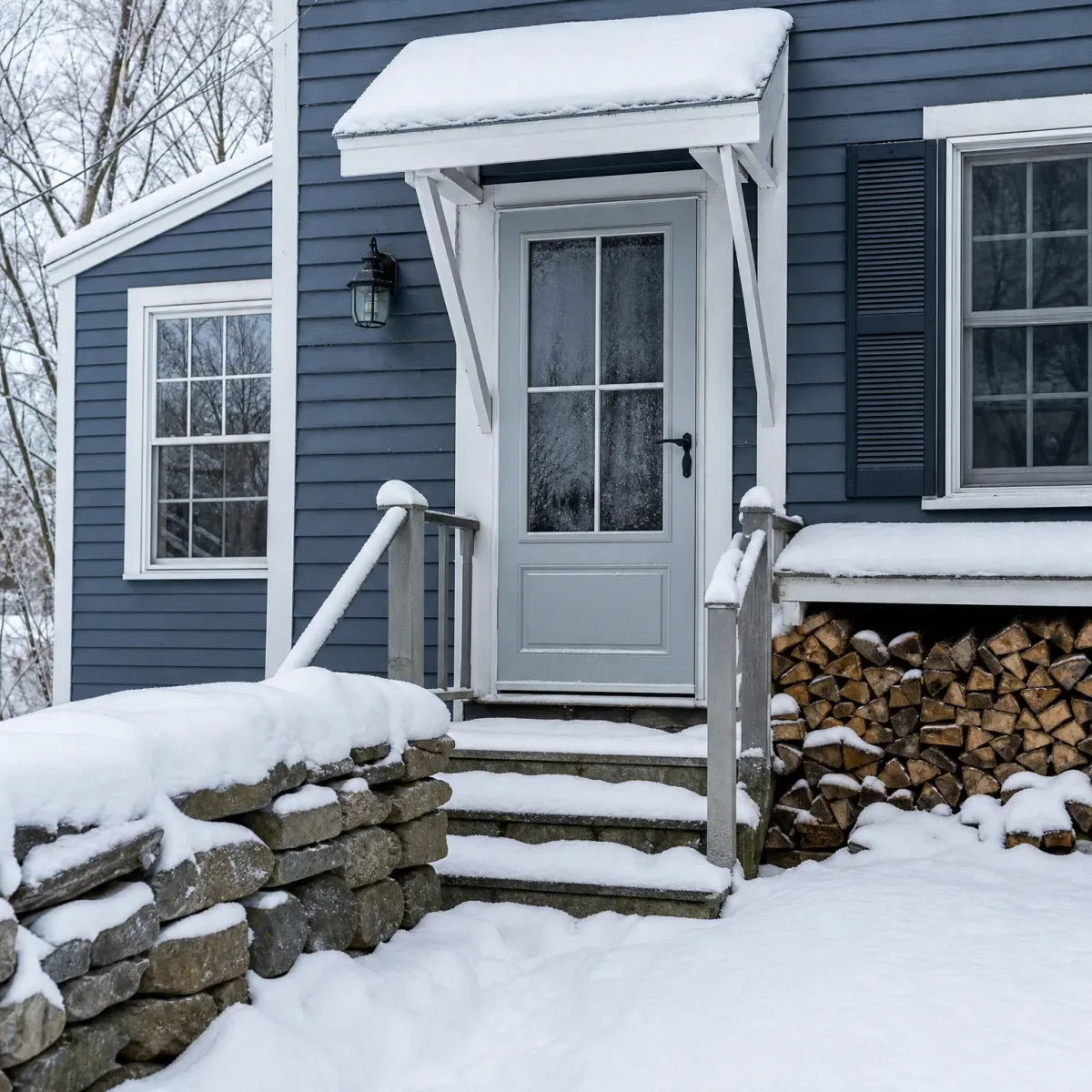
Snow-covered entrance of a blue clapboard house with a white door under a small roof, stone steps with railings, a stone retaining wall, and a stacked firewood pile.

Common questions about heat pumps and furnaces

  • Can a heat pump heat a house through a Connecticut winter?

    It can, but a standard heat pump loses capacity as it gets colder, putting out less than its rated heat once it drops below 40°F and often needing backup once it's below about 35°F. The average overnight low here is 26°F in December, January and February, and about 100 nights a year fall to freezing or below. A heat pump built and rated for cold climates holds onto more of its capacity at low temperatures, but a standard one will come up short on the coldest nights here.

  • Do I need backup heat with a heat pump here?

    With a standard heat pump, yes. Its output drops below its rating once it's under 40°F outside, and it often needs backup once it's under about 35°F, and the average overnight low here from December through February is 26°F. A heat pump with the ENERGY STAR Cold Climate rating is built to keep most of its capacity down to 5°F, which cuts down how much you'd lean on backup heat, though it doesn't rule it out on the coldest nights.

  • Can I keep my furnace and add a heat pump?

    Yes, that pairing is called a dual fuel system. The heat pump carries the house most nights and the furnace takes over once it gets too cold for the heat pump to keep up or run efficiently, usually somewhere below 35°F. Here that handoff matters because the overnight low averages 26°F across December, January and February, well under that mark.

  • Is a heat pump cheaper to run than a furnace in Greater Bridgeport Planning Region?

    No, a furnace costs less to run here. Burning gas makes heat at $2.05 per 100,000 Btu, while a heat pump built to the federal minimum runs $3.83 for the same heat, using Connecticut's average electricity price. An oil furnace lands in between at $2.61.